Svetlana Kuznetsova Biography: The Iron Grinder Born to Champions
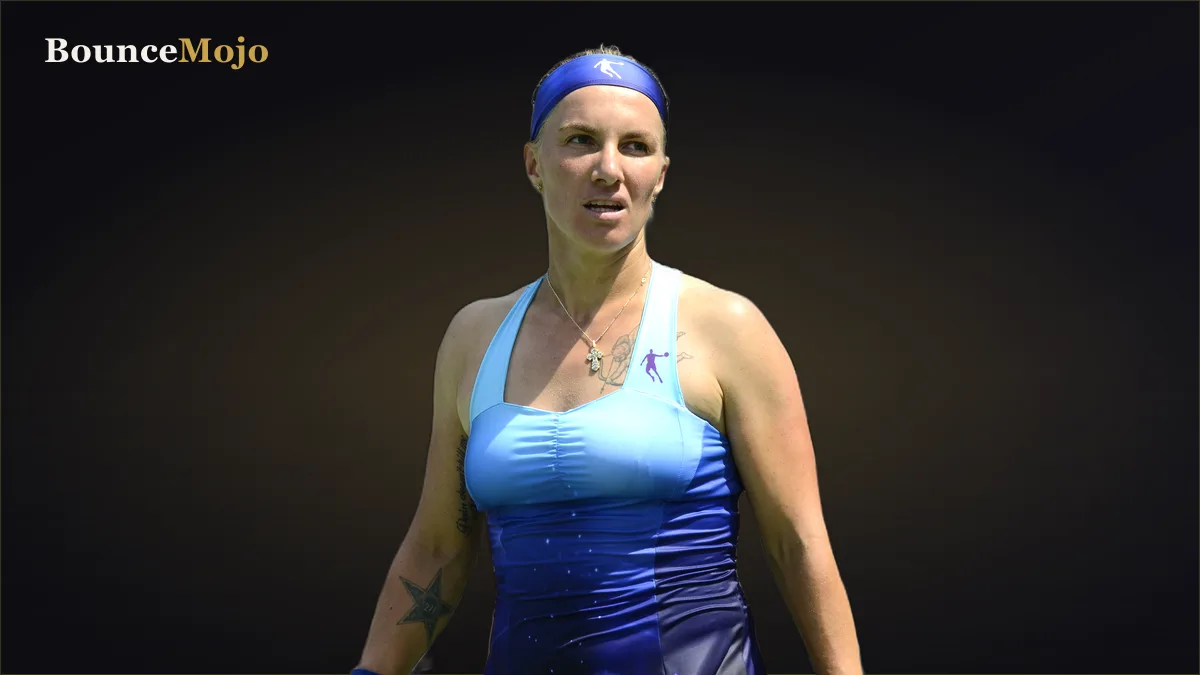
Most people know Svetlana Kuznetsova as a powerful Russian who won two Grand Slams. What they miss is that she was born into a family of cycling champions and chose tennis anyway.
Here’s what most people overlook: her greatest weapon was never a single shot. It was an iron discipline bred into her before she ever picked up a racket.
The Myth vs. The Reality
The myth is that Kuznetsova was a raw talent who happened to win two majors. Big, athletic, powerful, and a little inconsistent.
Here’s the truth: the inconsistency label hid one of the most disciplined athletes in the sport. Kuznetsova came from a family where world championships were the family business, and she carried that expectation into a career that lasted nearly 20 years, far longer than most.
Now: she was not the flashiest star of her generation, and she never chased the celebrity of some rivals. Her greatness was quieter, built on fitness, longevity, and a refusal to fade. The real Kuznetsova was a professional’s professional.
But where did that iron discipline come from? From a home unlike almost any other in sport.
The World That Made Svetlana Kuznetsova
Kuznetsova grew up as Russia transitioned from the Soviet era into a new, uncertain age. Born in 1985 in Leningrad, later St. Petersburg, she came of age as the old sports machine gave way to a more individual, global model.
Here’s the deal: she was born into cycling royalty. Her father, Alexandr, was a legendary Olympic cycling coach. Her mother was a multiple world champion. Her brother won an Olympic silver medal. Winning at the highest level was simply the family standard.
That environment shaped everything. Discipline, sacrifice, and elite training were normal to her from birth. Yet she chose a different sport, one her family had no history in, which meant leaving home to pursue it.
You might be wondering: why would a girl from a cycling dynasty pick tennis and leave Russia to do it? The answer reveals the boldness beneath her quiet exterior.
The Crucible: Early Life and the Climb
The Environment That Shaped Her
Svetlana Aleksandrovna Kuznetsova was born on June 27, 1985. Surrounded by champion cyclists, she absorbed the culture of elite sport young. But she was drawn to tennis, not the bike, and she pursued it with the same intensity her family gave to cycling.
Here’s the truth: to chase her dream, she moved as a teenager to Barcelona, training at the renowned Sanchez-Casal academy. Leaving home so young, in a foreign country and language, took real nerve. It also built the clay-court game and fitness that would define her.
The move paid off fast. Kuznetsova rose quickly through the junior and pro ranks, her power and stamina marking her as a future star.
The Catalyst
The catalyst was a stunning early triumph. At just 19, Kuznetsova won the 2004 US Open, beating fellow Russian Elena Dementieva in the final. She was a Grand Slam champion before most players even reach their first major final.
What’s the bottom line? The discipline bred into her, plus the bold move to Spain, produced a champion faster than anyone expected. She had arrived.
But arriving young brings a new challenge: how do you stay great for a decade and more? Kuznetsova was about to write the answer.
The Key Players
Several figures shaped Kuznetsova’s long career.
Her father, Alexandr Kuznetsov, set the foundation, instilling the work ethic and belief in elite training that carried her through 20 years on tour. The family’s championship culture was her first and most important influence.
In Spain, her coaches at the Sanchez-Casal academy built her game, especially the clay-court movement that led to her French Open title. Later, longtime coach Carlos Martinez guided key stretches of her career.
Here’s the kicker: her Russian peers pushed her too. She came up alongside a golden generation of Russian women, including Maria Sharapova and Dinara Safina, a rivalry that raised everyone’s level and made Russia a tennis powerhouse.
Those rivalries and mentors set the stage for her second major, and for the marathon that followed.
The Turning Point
The Pinnacle
Kuznetsova’s crowning moment came at the 2009 French Open, five years after her first title. Beating Dinara Safina in the final, she proved her 2004 win was no fluke and cemented her status as a genuine great of the era.
Add multiple Grand Slam doubles titles, and Kuznetsova built a trophy case few of her peers could match across both formats. She was a complete, two-way player.
The Price
But the pinnacle demanded a price. Kuznetsova’s career was long and grinding, and the physical toll of nearly two decades on tour was immense. She battled injuries and the mental fatigue of endless travel.
Here’s the truth: staying at a high level for so long meant sacrifices most fans never see, constant fitness work, discipline, and time away from a normal life. The longevity that built her fortune also cost her years of comfort.
Yet even the toughest competitor has struggles beneath the surface. And Kuznetsova’s were real.
The Unvarnished Truth
Kuznetsova was often labeled inconsistent, and she has been honest that mental swings hurt her at times. She could beat anyone on her best day and lose to lesser players on her worst, a pattern that frustrated her and her fans.
It gets more human. The pressure of a champion family and the expectation that came with an early Grand Slam title weighed on her. She had to learn to manage her own emotions on court, a lifelong battle for a fiery competitor.
There was no scandal in her story, no dramatic fall. Her struggles were the internal kind: doubt, streakiness, and the grind of longevity. That she overcame them well enough to compete for 20 years is its own quiet achievement.
Controversies and Criticisms
Kuznetsova’s career was largely free of major controversy. The main criticism was competitive: that her inconsistency kept her from more majors than her talent deserved. Fans debated how many more Slams a steadier Kuznetsova might have won.
Now: like all Russian athletes of the later era, she faced the geopolitical complications that affected Russian players in international sport. She navigated those pressures as a competitor rather than a public figure, keeping her focus on the game.
Through it all, her reputation as a hard-working, fair, and durable professional stayed intact. Her controversies were about lost potential, not character, and that is a rare thing to say about any 20-year career.
What We Can Learn From Svetlana Kuznetsova
Navigating Hard Times
Kuznetsova’s life teaches endurance. She faced doubt, injury, and streaky form, and she answered by simply refusing to quit, competing at a high level for nearly two decades.
Here’s the lesson: consistency over time beats brilliance in bursts. Kuznetsova’s willingness to keep grinding, season after season, built both her legacy and her fortune.
The Success Blueprint
Her path is a study in discipline and longevity. Raised on elite training, she treated her body and career as long-term investments, and it paid off in trophies and steady earnings.
That durable, professional model echoes the careers of players like Simona Halep and Chris Evert, grinders who built lasting success on reliability. Kuznetsova’s long earning window, detailed in her net worth story, is the financial reward for that discipline.
Final Verdict
Svetlana Kuznetsova turned a cycling dynasty’s discipline into a tennis fortune, winning two Grand Slams and competing longer than nearly anyone of her generation.
The verdict is clear: her real greatness was endurance. She was never the flashiest name in the room, but she outlasted the flash, building a career and a bank account on pure staying power.
Kuznetsova proved a simple truth about elite sport. Talent opens the door, but discipline keeps you inside it, year after year after year.
Shop Svetlana Kuznetsova on Amazon
Books, audiobooks, merch and more, handpicked for fans.
As an Amazon Associate we earn from qualifying purchases.
Frequently Asked Questions
Where did Svetlana Kuznetsova grow up?+
Kuznetsova grew up in St. Petersburg, Russia, in a family of champion cyclists, before moving to Spain as a teenager to train in tennis.
Was Svetlana Kuznetsova from an athletic family?+
Yes. Her father Alexandr Kuznetsov was a famed Olympic cycling coach, her mother was a multiple world champion cyclist, and her brother won an Olympic cycling medal.
What Grand Slam titles did Svetlana Kuznetsova win?+
Kuznetsova won the 2004 US Open as a teenager and the 2009 French Open, along with multiple Grand Slam doubles titles.
Why did Svetlana Kuznetsova move to Spain?+
As a teenager she moved to Barcelona to train at the Sanchez-Casal academy, developing the fitness and clay-court game that shaped her career.
How long was Svetlana Kuznetsova's career?+
Kuznetsova competed on tour for nearly two decades, one of the longest and most durable careers of her generation in women's tennis.
Want the money side of the story?
Read Svetlana Kuznetsova's Full Net Worth Breakdown →Shop Svetlana Kuznetsova on Amazon
Books, audiobooks, merch and more, handpicked for fans.
As an Amazon Associate we earn from qualifying purchases.