Rich List
Richest Royals (2026): The 10 Wealthiest Monarchs Ranked
Thailand’s King Maha Vajiralongkorn is the richest royal alive, and the reason is a single legal change most lists never mention: in 2018 the Crown Property Bureau, holder of thousands of acres of central Bangkok plus controlling stakes in Siam Commercial Bank and Siam Cement Group, was moved into his personal name. Assets that had belonged to the institution became assets that belonged to the man.
That is the whole story of this ranking. Royal fortunes are not built on salaries or even on inheritance in the ordinary sense. They come down to a question of paperwork: what does the monarch personally own, and what does the state merely let them use?
The 10 Wealthiest Royals
| # | Royal | Title | Estimated net worth |
|---|---|---|---|
| 1 | Maha Vajiralongkorn | King of Thailand | $30 billion (some estimates to $43bn) |
| 2 | Hassanal Bolkiah | Sultan of Brunei | $20 billion |
| 3 | Salman bin Abdulaziz | King of Saudi Arabia | $18 billion |
| 4 | Mohammed bin Rashid Al Maktoum | Ruler of Dubai | $4 billion |
| 5 | Henri | Grand Duke of Luxembourg, abdicated 2025 | $4 billion |
| 6 | Hans-Adam II | Prince of Liechtenstein | $3.5 billion |
| 7 | Mohammed VI | King of Morocco | $2.1 billion |
| 8 | Juan Carlos I | King of Spain, abdicated 2014 | $2 billion to $2.3 billion |
| 9 | Tamim bin Hamad Al Thani | Emir of Qatar | $1.2 billion |
| 10 | Albert II | Prince of Monaco | $1 billion |
Figures are outside estimates compiled from public reporting. No monarchy files audited accounts, so treat every line as an approximation rather than a balance sheet.
The British Royals Are Not Where You Think
Charles III would place eleventh on this list. His personal fortune is put at roughly $747 million, which is less than a fortieth of the Thai king’s.
You will see posts claiming the Windsors are worth tens of trillions. Those numbers come from adding up the Crown Estate, the Royal Collection, the palaces and the Duchy holdings, and treating the total as personal property. It is not. The Crown Estate’s surplus goes to the Treasury. The Royal Collection is held in trust. Charles cannot sell Buckingham Palace any more than a prime minister can sell Downing Street.
The distinction matters beyond pedantry, because it explains the shape of the entire list. Where a monarchy has been constitutionally constrained for centuries, the personal number stays modest. Where the separation was never made, the ruler’s name sits at the top.
Oil, Land, and the Accident of Timing
Three of the top four fortunes rest on hydrocarbons. Brunei’s on oil and gas revenue running through a state the size of Delaware. Saudi Arabia’s on the same, at vastly greater scale. Dubai’s on Sheikh Mohammed’s holdings across the emirate’s property and investment vehicles.
Liechtenstein is the interesting outlier. Hans-Adam II’s fortune sits mainly in LGT Group, the private bank his family owns outright, which is a genuinely commercial business rather than a claim on a national resource. Monaco’s Albert II is similar in kind if not scale, with holdings including a substantial share of the Société des Bains de Mer, the company behind the Monte Carlo casino.
Morocco’s Mohammed VI is the one most likely to be underestimated. His interests run through SNI and Siger Holding into banking, mining, insurance and agriculture, which makes him closer to an industrialist who inherited a throne than a monarch drawing on a treasury.
What Gets Left Out
Two absences are worth flagging. Neither the Emir of Kuwait nor the Al Nahyan rulers of Abu Dhabi appear at figures matching their reputations, because in both cases almost everything is formally sovereign. Abu Dhabi’s investment authority manages sums in the hundreds of billions, and none of it is anybody’s personal money.
Which is the honest caveat on the whole exercise. This is a ranking of what monarchs can be shown to own themselves. It is not a ranking of who commands the most wealth, and on that measure the order would look very different.
Individual profiles for each name are being added, with the sources of the fortune, the major assets, and how the estimates have moved over time.
Featured Profiles
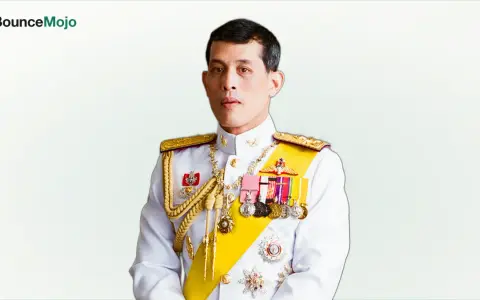 Net Worths$30 Billion
Maha Vajiralongkorn
Thailand's King Vajiralongkorn is worth an estimated $30 billion, though some estimates run far higher. Here is what the Crown Property Bureau actually holds.
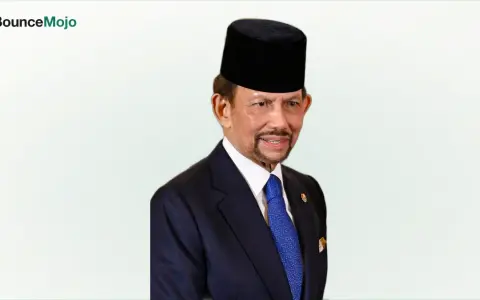 Net Worths$20 Billion
Hassanal Bolkiah
The Sultan of Brunei is worth an estimated $20 billion. He was once reported at $40 billion. Here is what happened to the rest, and what he still owns.
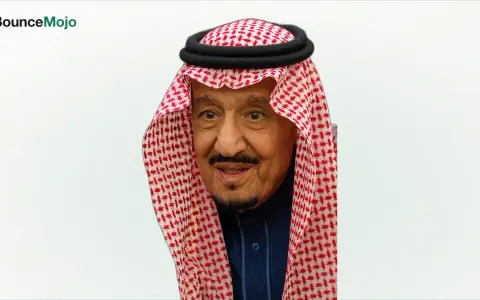 Net Worths$18 Billion
King Salman
King Salman of Saudi Arabia is worth an estimated $18 billion personally. The House of Saud is credited with far more. The two figures measure different things.
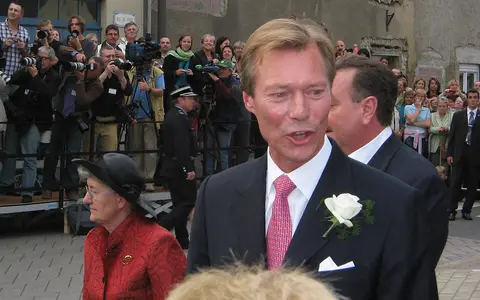 Net Worths$4 Billion
Grand Duke Henri
Henri of Luxembourg is worth an estimated $4 billion, more than any reigning European monarch. He abdicated in October 2025 and kept the fortune.
 Net Worths$4 Billion
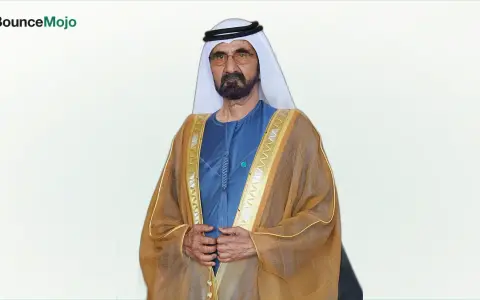
Mohammed bin Rashid Al Maktoum
Dubai's ruler is credited with anywhere from $4 billion to figures in the hundreds of billions. Here is which claims hold up and what he verifiably owns.
Frequently Asked Questions
Who is the richest royal in the world?+
King Maha Vajiralongkorn of Thailand. Published estimates put him between $30 billion and $43 billion, a spread that exists because nobody outside Thailand can audit the Crown Property Bureau, the body that holds the land and the bank and cement shareholdings his fortune is built on. The bureau was formally transferred into the king's personal name in 2018, which is what moved him to the top of these lists.
Is the British royal family the richest?+
No, and it is not close. King Charles III's personal fortune is estimated at around $747 million, roughly one fortieth of Thailand's king. Posts claiming the Windsors are worth trillions are counting the Crown Estate, the Royal Collection and the palaces, none of which the monarch can sell. Those are held by the sovereign in right of the Crown, not owned personally.
Why do Gulf rulers dominate the list?+
Because in several Gulf states the line between the treasury and the ruling family's own accounts was never drawn in the way it was in Europe. Oil and gas revenue, sovereign investment vehicles and personal holdings overlap, so the reported figures capture wealth a European monarch would never be credited with.
Do abdicated monarchs still count?+
They keep the money. Two names here no longer reign: Grand Duke Henri of Luxembourg, who abdicated in 2025, and Juan Carlos I of Spain, who abdicated in 2014 and has lived in Abu Dhabi since 2020 following a scandal over a reported $100 million payment into Swiss accounts.
How reliable are these numbers?+
Less reliable than almost any other rich list. A public company files accounts; a monarchy does not. Every figure below is an outside estimate, several are disputed by the palaces concerned, and where credible sources disagree we have given the range rather than picking the biggest number.