Serena Williams Biography: The Compton Girl Who Conquered Tennis
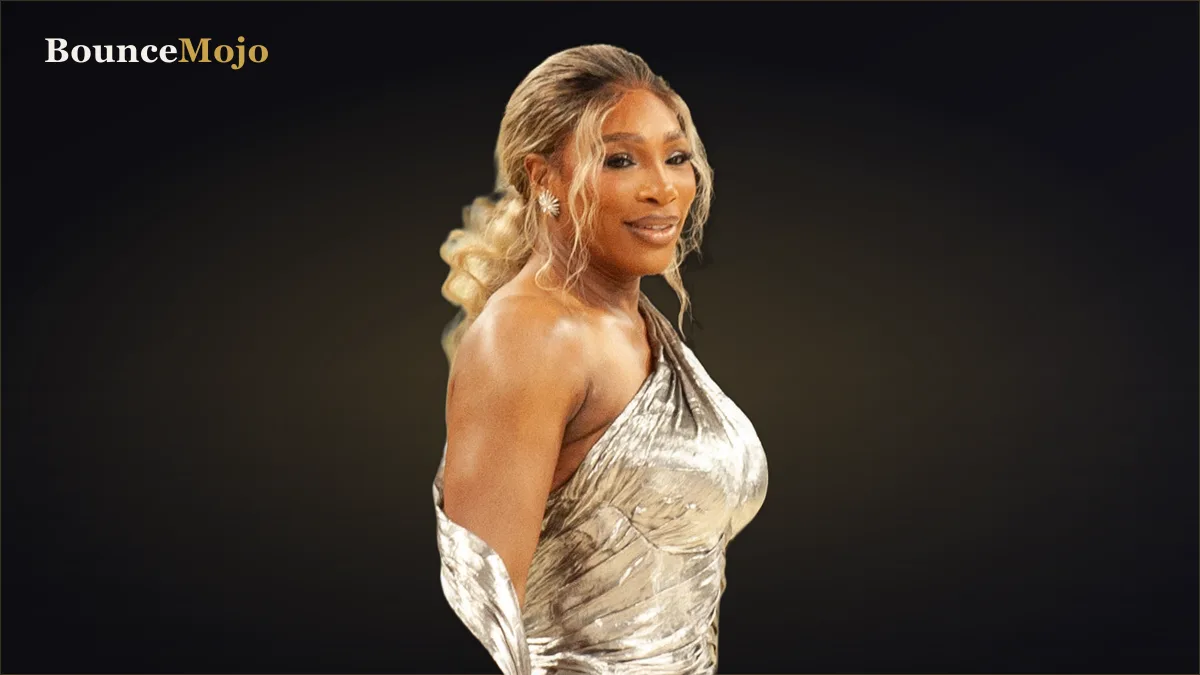
Twenty-three Grand Slam singles titles is the number everyone knows. It is also the least interesting thing about Serena Williams, because it describes what she won without describing what she had to get through to win it.
The myth is dominance: unstoppable, powerful, the woman who bent an entire sport to her will. The reality is a Black girl from Compton entering a white, wealthy sport that did not want her, and beating, in order, a set of obstacles that had nothing to do with tennis. Take them one at a time.
Obstacle One: A Sport That Had No Room for Her
Serena was born in 1981 and raised in Compton, California, a city better known for hardship than tennis.
This was the opposite of the country-club world she would eventually rule. She and her sister Venus learned the game on cracked public courts, sometimes ducking gang activity, drilled relentlessly by their father. Tennis at the top was overwhelmingly white and affluent. Two Black girls from Compton were not just outsiders. They were an intrusion into a world that had rarely made room for anyone like them.
That backdrop explains her armor. Serena grew up knowing she would have to be undeniable to be accepted, that talent alone would not outweigh the doubt and the whispers. She built a competitive ferocity sized to the barriers in front of her.
The sport was also, as it happened, ripe for exactly the kind of disruption she represented. Power tennis was about to change the women’s game forever. But first, an improbable plan had to work.
Obstacle Two: The Plan Was Written Before She Could Walk
Her father, Richard Williams, famously wrote a detailed plan to raise two tennis champions, then coached his daughters toward it with unshakable belief. Money was tight, the courts were rough, and the tennis establishment was skeptical.
He had no elite tennis background. He studied the game obsessively from books and videos, taught himself enough to coach, and then drilled his daughters for hours on those Compton courts, often sweeping broken glass off the surface first. He shielded them from the pressure of the junior circuit, sometimes pulling them out of tournaments entirely, so they would stay hungry and unburned. It was unorthodox and widely doubted. It also produced two of the greatest players who ever lived from a family that started with almost nothing.
That upbringing forged Serena’s mind as much as her forehand. The confidence that critics later read as arrogance was survival gear, installed by a father who refused to let his daughters believe they did not belong.
Venus Went First
The path did not clear itself. Venus broke through ahead of her sister and cleared it.
Venus was Serena’s first rival, her doubles partner, and the proof of concept for the whole Williams project. Their matches against each other, and their doubles titles together, are among the most emotional in tennis history: a sister who was also an opponent, which is a bond most champions never have to negotiate.
Serena turned pro in 1995 and, by the late 1990s, the two were tearing through the rankings together. Serena won her first Grand Slam, the 1999 US Open, at 17. The sisters who had trained on public courts were suddenly beating the polished products of elite academies, and the sport did not quite know what to do with them.
Obstacle Three: Indian Wells, and Everything It Stood For
The rise came with ugliness, arriving at the same time as the triumph.
At Indian Wells in 2001, Serena was booed by the crowd. She then boycotted the tournament for over a decade, a stand some called stubborn and others called principled. It was the loudest single instance of something that never really stopped: throughout her career she faced coded and overt criticism about her body, her power and her demeanor, criticism laced with racism and sexism that male and white players rarely endured. Her bold on-court outfits and her willingness to speak on race and equality drew backlash from traditionalists.
There were the umpire clashes too, several fiery on-court disputes with officials, most famously in the 2018 US Open final. Supporters saw a double standard in how her emotions were judged against those of male players. Critics saw poor sportsmanship. The debate still divides fans.
Any one of these could have chipped away at a less certain person. The boos, the coded criticism of her body, the double standards from officials: Serena absorbed all of it and kept winning, using the doubt as fuel rather than letting it become a ceiling. She did not wait for permission. She took the title and forced the sport to accept her.
What She Did With the Twenty Years at the Top
She won 23 Grand Slam singles titles, the most of anyone in the Open Era, and stayed at or near the top of the sport for two decades, an almost unheard-of span. She won a major while pregnant. She came back from injury and childbirth to reach finals again. Patrick Mouratoglou coached her through a dominant late-career stretch, helping her chase and extend the record as she aged.
The more remarkable part is that she changed what the sport required. Serena’s game, all explosive serving and thunderous groundstrokes, made her physically dominant in a way women’s tennis had rarely seen, and it forced every rival to get stronger, faster and fitter just to compete. She did not only win inside the existing game. She rewrote what the game demanded. A generation of players grew up trying to match a standard she set, and most never could.
Obstacle Four: Her Own Body, in 2017
After the birth of her daughter Olympia in 2017, Serena suffered life-threatening blood clots and serious complications, and has said she had to advocate hard for her own care.
It was a brutal reminder that the strongest woman in sport was still vulnerable, and it exposed the real dangers Black mothers face in the medical system. She could have kept it quiet, the way many stars protect their image. Instead she spoke about it openly, knowing her platform could warn other women to trust their instincts and demand better care.
That choice, to turn private pain into public advocacy, may end up mattering more than any of the 23 titles. Her wounds became her work.
The Empire She Built Before the Last Match
Most athletes retire into a cliff. The checks stop, the relevance fades, and the money slowly drains. Serena did the opposite.
She launched businesses, a venture fund and team stakes years before she stepped away from tennis in 2022, describing that step as an evolution rather than a retirement. By the time she took it, she was already a general partner in her own venture fund, an owner of sports franchises and a fashion entrepreneur. Her husband, Reddit co-founder Alexis Ohanian, whom she married in 2017, brought a tech world that helped shape the pivot. Retirement was not a landing. It was a launch, because she had spent her competitive years quietly building the runway.
That foresight is why she ranks among the wealthiest names on our richest tennis players list, in the company of billionaires like Roger Federer, and the full accounting sits in her net worth breakdown.
Her career rewards the most decorated record in women’s tennis and a shrewd business pivot. Her story rewards something rarer: the audacity to belong where you were told you did not, the strength to survive what should have broken you, and the vision to turn a legendary career into an empire that is still being built. The girl from Compton did not just conquer tennis. She conquered herself, and changed the game for everyone who comes next.
Shop Serena Williams on Amazon
Books, audiobooks, merch and more, handpicked for fans.
As an Amazon Associate we earn from qualifying purchases.
Frequently Asked Questions
How many Grand Slam titles did Serena Williams win?+
Serena won 23 Grand Slam singles titles, the most of any player in the Open Era, along with numerous doubles majors alongside her sister Venus.
Who coached Serena Williams?+
Serena was first coached by her father, Richard Williams, who famously planned his daughters' tennis careers before they were born. She later worked with coaches including Patrick Mouratoglou.
Did Serena Williams almost die giving birth?+
Yes. After the birth of her daughter Olympia in 2017, Serena suffered life-threatening blood clots and complications. She has spoken openly about it to raise awareness of maternal health risks, especially for Black women.
Where did Serena Williams grow up?+
Serena grew up in Compton, California, where she and her sister Venus learned tennis on public courts, coached by their father Richard from a young age.
When did Serena Williams retire?+
Serena stepped away from professional tennis in 2022, describing it as an 'evolution' toward her family and her growing business ventures rather than a traditional retirement.
Want the money side of the story?
Read Serena Williams's Full Net Worth Breakdown →Shop Serena Williams on Amazon
Books, audiobooks, merch and more, handpicked for fans.
As an Amazon Associate we earn from qualifying purchases.