Michelle Wie West Biography: The Prodigy Who Grew Up in Public
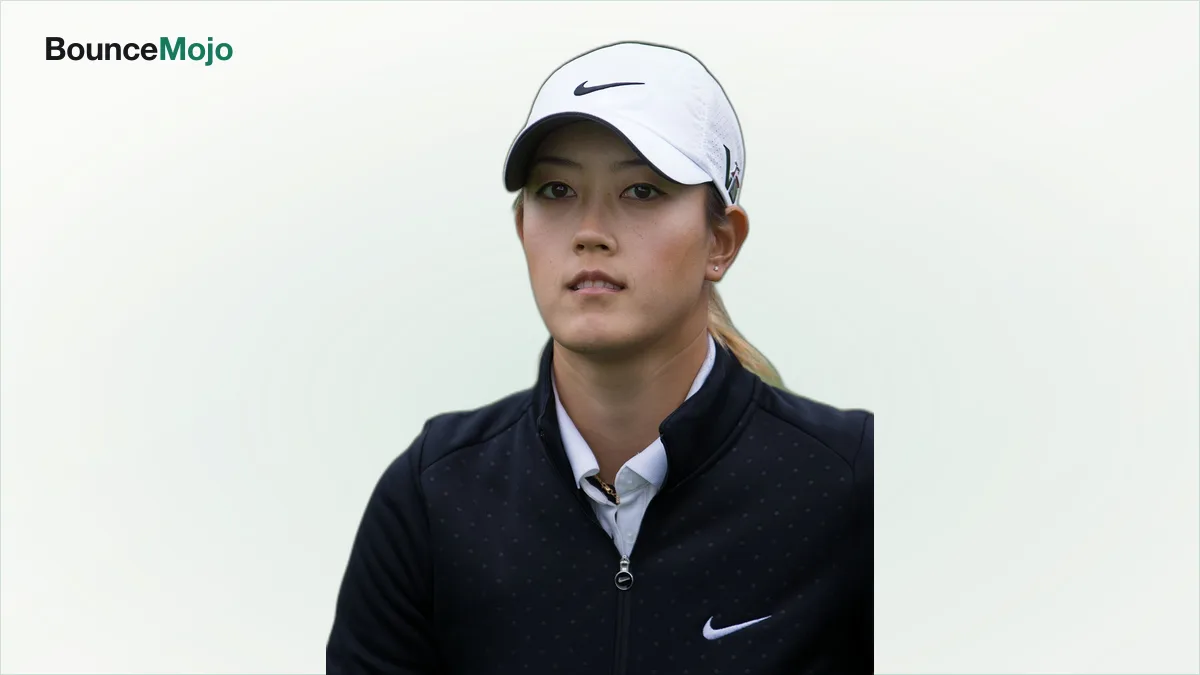
The teenage phenom. The next big thing. The girl who was going to play against the men and change golf forever. That’s the Michelle Wie West the world met.
Here’s what most people miss: the hype nearly crushed her before it made her. Her real story is about surviving a childhood spent under a microscope, then answering it on her own terms.
The Myth vs. The Reality
The myth is the can’t-miss kid. Michelle Wie, the six-foot teenager with the perfect swing, destined to dominate women’s golf and maybe even beat the men.
The reality was far harder.
Here’s the truth: Wie West spent her teenage years as the most scrutinized golfer on earth, and much of that scrutiny turned cruel. She missed cuts, battled injuries, and drew relentless criticism for chasing men’s events instead of racking up women’s titles. The prodigy the world anointed was, for years, a target as much as a star.
Now think about the pressure on a child. Millions in endorsements, a nation of expectations, and every failure dissected in public before she was old enough to vote.
She could have broken under it. Many prodigies do. And to understand how she didn’t, you have to start on the golf courses of Honolulu.
The World That Made Michelle Wie West
Michelle Sung Wie was born on October 11, 1989, in Honolulu, Hawaii, the only child of South Korean immigrants who had come to the United States in the 1980s. Golf was in her blood. Her mother, Bo, had been South Korea’s women’s amateur champion in 1985, and the family poured itself into Michelle’s game from the start.
She began playing at age four, and the talent was immediate and enormous. By age 10 she became the youngest player ever to qualify for a USGA amateur championship, and she kept shattering age records from there.
This was a golf world hungry for a crossover star. Tiger Woods had shown how a young phenom could transform a sport’s economics, and the industry was searching for the next one. Wie, tall and powerful and marketable, looked like the answer, and the weight of that hope landed on a child’s shoulders.
But here’s the kicker: before she could fulfill the hype, she had to survive it.
The Crucible: Early Life and the Climb
The environment that shaped her
Wie grew up in a household built around her golf. Her parents were deeply involved, guiding a career that moved at breathtaking speed. She was a gifted student too, attending the prestigious Punahou School in Honolulu.
Then came the deals. In 2005, shortly before her 16th birthday, she turned professional, and Nike and Sony signed her to endorsement contracts reportedly worth millions a year. She was a wealthy celebrity before she had won a single professional tournament, an almost unheard-of situation.
The talent and the money were never in doubt. What was in doubt was whether a teenager could carry that kind of expectation without cracking.
The catalyst
The strain showed early. Wie repeatedly played in men’s events, missing cuts and drawing sharp criticism that she should focus on winning as a woman first. Then came the injuries, wrist and hand problems that sapped her power and confidence during years when she should have been ascending.
For a stretch, the story looked like a cautionary tale: the prodigy who peaked as a child and never delivered on the promise.
Here’s the deal: how Wie West responded to that narrative would define everything that came after.
Want to know how she flipped it? She kept grinding through the doubt, earned a Stanford degree along the way, and set up one redemptive Sunday.
The Key Players
You cannot tell the Michelle Wie West story without a few names.
Bo Wie, her mother, is the first. A former national amateur champion herself, Bo shaped Michelle’s game and her fierce competitive drive from the earliest age, an example of what a woman could achieve in the sport.
Her parents together are the second force, guiding and managing a career that generated headlines and controversy in equal measure. Their intense involvement drew criticism at times, but it also built the foundation of one of golf’s most famous young careers.
Jonnie West, her husband, is the third. The Golden State Warriors executive and son of NBA legend Jerry West married Michelle in 2019. He brought stability and a partnership rooted in a shared understanding of elite sport and its pressures, anchoring the next chapter of her life.
Here’s the truth: with those people behind her, Wie West set out to answer years of doubt in a single week.
The Turning Point: Triumph and Its Hidden Cost
The pinnacle
Start with the 2014 U.S. Women’s Open, because it changed her story.
After years of near-misses, injuries, and criticism, Wie West held her nerve at Pinehurst and won the U.S. Women’s Open, her first and only major championship. It was the vindication a decade of hype had demanded. The prodigy had finally delivered on the sport’s biggest stage, and the payday, a career-high roughly $1.9 million that week, matched the meaning of the moment.
Along the way she had also done something few phenoms manage: she finished her education, completing a communications degree at Stanford in 2012 while playing professionally. She proved she was more than a golf machine.
The price
Now the cost, which was written on her body.
Wie West’s career was repeatedly interrupted by injuries, especially to her wrists and hands. The power game that had made her famous became a source of pain, and surgeries and rehabilitation stole years from her prime. The physical toll of a swing built for distance eventually forced her to step back from full-time competition.
There was an emotional price too. Growing up in public, absorbing constant criticism as a teenager, left scars. Wie West has spoken about the difficulty of being judged so harshly so young, a burden most players never have to carry.
You might be wondering how someone rebuilds a life after a childhood like that. The answer shows a side of her few expected.
The Unvarnished Truth
Let’s not pretend the fairy tale was smooth.
Wie West’s early career was marked by decisions that drew fair criticism. Playing so many men’s events while missing women’s cuts struck many as chasing spectacle over substance, and her results in her late teens and early twenties fell short of the impossible standard set for her. For a time, the gap between hype and results was real.
Her aggressive, distance-first game also came at a cost to her health. The very power that made her a sensation contributed to the injuries that repeatedly sidelined her, a tradeoff she could not fully escape.
Here’s the truth: Wie West was handed an impossible situation as a child, and she made mistakes navigating it, as anyone would. The remarkable thing is not that she stumbled, but that she kept getting up.
Even so, she came out the other side with a major, a degree, and a life built on her own terms.
Controversies and Criticisms
For a player so celebrated, Wie West’s controversies mostly trace back to the choices made around her as a young star.
The decision to enter men’s professional events was the biggest lightning rod. Critics argued it was a distraction and a marketing stunt that hurt her development, while supporters saw ambition and courage. Either way, it defined her early public image and fueled years of debate.
The intense management of her career by her family also drew scrutiny, with some observers questioning whether a child was being pushed too hard, too fast, into the glare of professional golf. It is a criticism common to prodigies, and Wie West lived it more publicly than almost anyone.
Beyond that, the knocks fade. In a sport with real scandals, her controversies amount to ambition and the impossible expectations placed on a kid.
Here’s the thing though: none of it defines her now. Because she answered the doubt in the only way that counts.
What We Can Learn From Michelle Wie West
Navigating the darkness
When the whole world watches you fail, you can hide or you can keep swinging.
Wie West kept swinging. Through injuries, criticism, and years of falling short of a standard no teenager could meet, she stayed in the fight and eventually won a major. The lesson is not “ignore the pressure.” It is that surviving public failure long enough to earn one defining win can rewrite an entire narrative.
The success blueprint
Now the part that built the fortune and the future.
Wie West understood something many athletes miss: her fame was an asset to be invested, not just enjoyed. She cashed in on her marketability early, protected her long-term value with a major win, and pivoted in retirement toward investing and a stake in the game’s future. That business sense is why she ranks among the richest golfers in the world. The full money breakdown lives in our Michelle Wie West net worth analysis, and you can see where she sits among the richest athletes overall, in a game whose economics were reshaped by Tiger Woods.
Becoming better
The deepest lesson is about growing up without being defined by the hardest years. Wie West took a childhood spent under a microscope and turned it into a grounded adult life, a family, a degree, and a business future. She proved that the prodigy label is a starting point, not a life sentence.
So what’s the final word on the girl who grew up in public?
Final Verdict
Michelle Wie West is the rare star whose greatest achievement was simply surviving the expectations placed on her.
On the course, she is a U.S. Women’s Open champion, a five-time LPGA winner, and one of the most famous golfers of her generation. Off it, she is a Stanford graduate, an investor, and a family woman who built a stable life after a chaotic, very public childhood in the sport.
Here’s the bottom line: the can’t-miss-prodigy label was never the whole story. Behind it was a kid who absorbed relentless criticism, fought through injuries, and answered a decade of doubt with a major championship.
Anyone who remembers only the hype has missed the resilience underneath. Wie West’s real story is the comeback from impossible expectations, and it is far more impressive than the fairy tale ever was.
Shop Michelle Wie West on Amazon
Books, audiobooks, merch and more, handpicked for fans.
As an Amazon Associate we earn from qualifying purchases.
Frequently Asked Questions
Where did Michelle Wie West grow up?+
Michelle Wie West was born on October 11, 1989, in Honolulu, Hawaii, the only child of South Korean immigrant parents. Her mother, Bo, was South Korea's women's amateur golf champion in 1985.
How young was Michelle Wie West when she turned pro?+
She turned professional shortly before her 16th birthday in 2005, amid enormous publicity and multi-million-dollar endorsement deals with Nike and Sony.
Did Michelle Wie West go to college?+
Yes. She attended Stanford University while playing professionally and completed her studies in 2012 with a degree in communications, though NCAA rules barred her from the college golf team as a pro.
What was Michelle Wie West's biggest win?+
Her defining triumph was the 2014 U.S. Women's Open, her first and only major, which vindicated years of hype and criticism she had faced since childhood.
Who is Michelle Wie West's husband?+
She married Jonnie West in 2019. He is a Golden State Warriors executive and the son of NBA legend Jerry West. The couple live in Las Vegas with their two children.
Want the money side of the story?
Read Michelle Wie West's Full Net Worth Breakdown →Shop Michelle Wie West on Amazon
Books, audiobooks, merch and more, handpicked for fans.
As an Amazon Associate we earn from qualifying purchases.