Donald Cerrone Biography: The Cowboy Who Fought Fearlessly
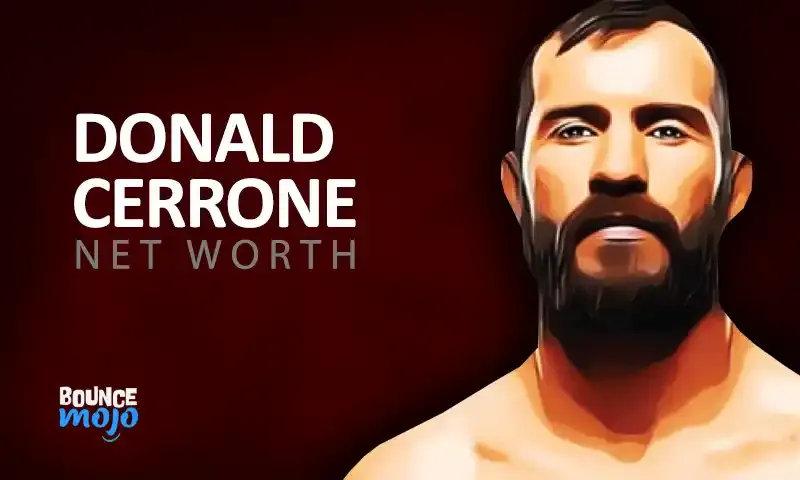
Most fans know Donald Cerrone as the Cowboy who’d fight anyone, anytime, anywhere. That reputation is real, but it hides why he fought that way.
Here’s what most people miss: Cerrone chased danger in the cage because he’d spent his whole life chasing it everywhere else. The recklessness wasn’t an act. It was who he was.
The Myth vs. The Reality
The myth is loud. Donald “Cowboy” Cerrone: the fearless action junkie who’d take any fight on any notice and party harder than he trained.
The reality is more layered.
Here’s the truth: Cerrone’s fearlessness was genuine, but it came from a specific place. He grew up wild, adrenaline-addicted, and searching for something to point all that energy at. Fighting gave a chaotic kid a purpose, and the cage gave a man who feared little the one place his recklessness was an asset.
The “just a party guy” label sells him short. Behind the adventure lifestyle was a fighter who set records that may never be broken, built on toughness and sheer volume.
You might be wondering: how does a kid from Colorado become the busiest fighter in UFC history? To understand that, you have to understand where he came from.
The World That Made Donald Cerrone
Cerrone came up as MMA was becoming a real career path.
He was born in 1983 in Denver, Colorado, and came of age as mixed martial arts was clawing toward the mainstream in the 2000s. He started in kickboxing and Muay Thai before moving into MMA through the WEC, the promotion that showcased lighter and mid-weight fighters before the UFC absorbed it.
Think about it: Cerrone arrived just as the sport was expanding enough to reward a fighter who’d compete constantly. The old model of a few fights a year was giving way to a busier calendar, and that suited a man who wanted to fight all the time.
He trained under top coaches, including in the famed Jackson-Wink system in New Mexico, surrounding himself with elite talent. That environment sharpened a naturally tough fighter into a technical one.
The timing was perfect for his temperament. A restless, fearless competitor met a sport hungry for exactly that kind of draw.
But the fighter was shaped long before the cage, by a childhood that taught him to run toward risk.
The Crucible: Early Life and the Climb
The Environment That Shaped Him
Cerrone’s upbringing was turbulent, and it built his character.
His parents divorced, and he was raised largely by his grandmother, whom he has repeatedly credited as the person who taught him how to live. He has spoken about struggling with attention issues as a kid and being a handful, a boy overflowing with energy and drawn to anything dangerous.
Here’s the deal: that energy needed somewhere to go. Motocross, adventure, adrenaline, and eventually fighting became the outlets for a kid who couldn’t sit still.
Riding and outdoor pursuits weren’t hobbies he picked up later. They were the core of who he’d always been, and they’d later shape his brand and his BMF Ranch.
His grandmother’s influence runs through all of it. Cerrone has said she taught him the value of living fully and being himself, and you can see that lesson in everything he did, the constant fighting, the refusal to play it safe, the adventure lifestyle. Where some fighters chase legacy or belts, Cerrone seemed to chase experience itself. That outlook, planted in a turbulent childhood and shaped by the woman who raised him, is the key to understanding why he fought the way he did. He wasn’t building toward a single perfect moment. He was living, loudly, all the time.
The Catalyst for Breakout
The catalyst was the WEC.
Cerrone became a fan favorite there with his aggressive, finish-hungry style, and he carried that momentum into the UFC when the promotions merged around 2011. He quickly became one of the company’s most active and exciting fighters.
It gets better: Cerrone didn’t just fight often. He fought well, racking up wins and bonuses at a pace almost no one could match, and endearing himself to fans who knew he’d always come to scrap.
That relentless activity set up the records that would define his legacy.
The Key Players
Cerrone’s career was shaped by his coaches, his family, and a long list of memorable opponents.
His grandmother stands above them all as the person who raised and grounded him. His coaches, including the Jackson-Wink team, gave a wild talent structure and technique.
In the cage, Cerrone shared some of the sport’s most memorable nights with fighters like Nate Diaz, whom he fought in a classic 2011 bout, and a who’s who of lightweight and welterweight contenders across more than a decade.
Then there was Conor McGregor. Their January 2020 fight put Cerrone in the biggest spotlight of his career, headlining a massive event against the sport’s biggest star.
Here’s the kicker: Cerrone lost that McGregor fight in the first round. But it was one of the biggest paydays and highest-profile nights of his life, proof that even in defeat, the right fight can define a career.
Those fights, win or lose, built toward a pinnacle measured not in belts but in records.
The Turning Point
The Pinnacle
Cerrone’s pinnacle wasn’t a championship. It was permanence in the record books.
In November 2018, he surpassed legends including Georges St-Pierre and Michael Bisping for the most wins in UFC history. He also broke records for most finishes and most fights, and piled up more post-fight bonuses than anyone. He never won a UFC title, but he carved out a legacy of durability and excitement that no champion can claim.
That’s a different kind of greatness, and it made him one of the most beloved fighters alive.
The Price of Admission
The cost was written in the wear and tear.
Fighting that often, against that level of competition, takes a brutal toll. Cerrone absorbed enormous damage over a long career, and the back half featured a difficult losing stretch as the miles caught up with him. The same volume that built his records also shortened his prime and made his later years hard to watch for longtime fans.
You might be wondering: was it worth it? Cerrone has always seemed to think so. He got to fight constantly, on his terms, and walked away a Hall of Famer with a fortune and a brand. But the physical price of that style was real.
That willingness to sacrifice his body is exactly what made him human, and flawed.
The Unvarnished Truth
Cerrone’s fearlessness had a shadow side.
The same recklessness that made him a fan favorite led to countless injuries, in training, in adventure sports, and in the cage. He’s broken bones doing things most athletes would never risk. His party-hard reputation was part of the package, and he’s been open about a lifestyle that wasn’t always built for longevity.
There were also the losses, a long, painful skid late in his career that some felt he should have walked away from sooner. Watching a beloved action hero take that kind of damage was hard, and it raised fair questions about when enough is enough.
In other words, Cerrone’s greatest strength, his fearless “yes to everything” nature, was also his biggest vulnerability. He couldn’t say no, and that cost him.
None of it made fans love him less.
Controversies and Criticisms
Cerrone’s career was relatively free of major scandal, which fit his straight-shooting persona.
The main criticisms were about his choices, not his character. Critics questioned his tendency to fight too often, sometimes on short notice, in ways that may have hurt his title chances and his health. His late-career losing streak drew concern that he was fighting past his prime.
His adventurous lifestyle also raised eyebrows. Skydiving, motocross, and constant risk-taking outside the cage seemed dangerous for a professional athlete, and injuries from those pursuits occasionally affected his fighting.
But compared with the legal and disciplinary troubles surrounding some names near the top of our richest MMA fighters rankings, Cerrone’s record is clean, defined by heart rather than headlines.
That heart is the whole lesson of his career.
What We Can Learn From Donald Cerrone
Navigating Hard Times
Cerrone’s life teaches how to channel chaos.
He was a wild, unfocused kid who could have gone a hundred wrong directions. Instead, he found a discipline that rewarded his fearlessness and turned it into a career. He took the energy that made him a handful and pointed it at something.
Here’s the deal: the trait that seems like your biggest problem can become your greatest asset if you aim it right.
There’s a lesson in his volume, too. Cerrone succeeded by showing up more than anyone else, saying yes when others hesitated, and stacking small wins and bonuses into a real fortune. He never had one perfect career-defining moment. He had hundreds of good ones. In a world obsessed with the single big break, Cerrone proved that relentless activity, done with genuine enthusiasm, can build something just as valuable. Consistency isn’t glamorous, but over 15 years it made a poor kid from Colorado a wealthy Hall of Famer.
The Success Blueprint
Cerrone’s blueprint is about volume and authenticity.
He said yes when others said no, fought constantly, and earned through purses and bonuses that stacked up over a record-setting number of nights. Then he turned his genuine lifestyle, the ranch, the adventure, the Cowboy brand, into a business that keeps paying. You can see how that added up in his full net worth breakdown.
The lesson: show up more than anyone, and be unmistakably yourself.
Becoming Better
The deeper takeaway is living without fear of the loss.
Cerrone genuinely seemed unafraid to lose, which let him take fights and risks others wouldn’t. That freedom made him one of the most entertaining fighters ever and, paradoxically, one of the most successful earners of his generation. Fear of failure keeps most people small. Cerrone’s absence of it made him a legend, and a wealthy one at that.
That fearlessness had limits, of course, and the losses late in his career showed them. But even those defeats came from the same place as his greatest wins: a refusal to protect his record or pick easy fights. Cerrone would rather lose an exciting fight than win a boring one, and fans knew it. That honesty is worth more than most belts.
So what’s the final verdict on the Cowboy?
Final Verdict
Donald Cerrone is one of the most beloved fighters in UFC history, and he never needed a belt to prove it.
He turned a wild Colorado childhood and an addiction to adrenaline into a career of records, most wins, most fights, most finishes, most bonuses, that may never be equaled. He fought anyone, anytime, and built a fortune and a brand on sheer courage and volume. The McGregor fight put him in front of the world. His Hall of Fame induction sealed his place in it.
Here’s the part that lasts: fans didn’t love Cerrone because he was the best. They loved him because he was the most willing. He gave them action every time, win or lose, and he did it more often than anyone ever had. In a sport full of careful matchmaking and protected records, Cowboy was the man who’d fight the world on two weeks’ notice and mean it. That’s a legacy no belt could improve on.
The Cowboy rode into every fight like he had nothing to lose, and that’s exactly why he won so much.
For the money side of that story, see his full net worth breakdown, and for how he ranks among the sport’s earners, our richest MMA fighters list.
Shop Donald Cerrone on Amazon
Books, audiobooks, merch and more, handpicked for fans.
As an Amazon Associate we earn from qualifying purchases.
Frequently Asked Questions
Where did Donald Cerrone grow up?+
Donald Cerrone was born on March 29, 1983, in Denver, Colorado, and grew up largely raised by his grandmother after his parents divorced. He has credited her as one of the most important influences on his life.
Why is Donald Cerrone called 'Cowboy'?+
The 'Cowboy' nickname reflects Cerrone's rural, adrenaline-fueled lifestyle, riding, ranching, and living for adventure. It became inseparable from his brand as a fearless, always-active fighter.
What UFC records does Donald Cerrone hold?+
Cerrone holds UFC records for most wins, most fights, and most finishes in company history, along with the record for most post-fight bonuses. His volume and action style defined his career.
Did Donald Cerrone fight Conor McGregor?+
Yes. Cerrone faced Conor McGregor in January 2020, losing by knockout in the first round. The bout was one of the biggest-selling events of Cerrone's career.
Is Donald Cerrone in the UFC Hall of Fame?+
Yes. Cerrone was inducted into the UFC Hall of Fame in 2023, honoring one of the most active and entertaining careers the sport has ever seen.
Want the money side of the story?
Read Donald Cerrone's Full Net Worth Breakdown →Shop Donald Cerrone on Amazon
Books, audiobooks, merch and more, handpicked for fans.
As an Amazon Associate we earn from qualifying purchases.