Dave Whelan Net Worth: How a Broken Leg Built a $260M Retail Empire
On This Page
- The Broken Leg At Wembley, 1960
- A Grocery Shop, Then A £1.5 Million Supermarket
- JJB Sports: One Store To A Stock Market Float
- DW Sports, Retail Parks And The Whelan Group
- Buying The Town: Wigan Athletic And The Warriors
- What £200 Million Looked Like On Paper
- Beckham Sold Fame. Whelan Sold Trainers.
- Why The Fortune Held Its Shape
- Net Worth: Year by Year
- Connected Wealth
- Top Takeaways to Success
- Frequently Asked Questions
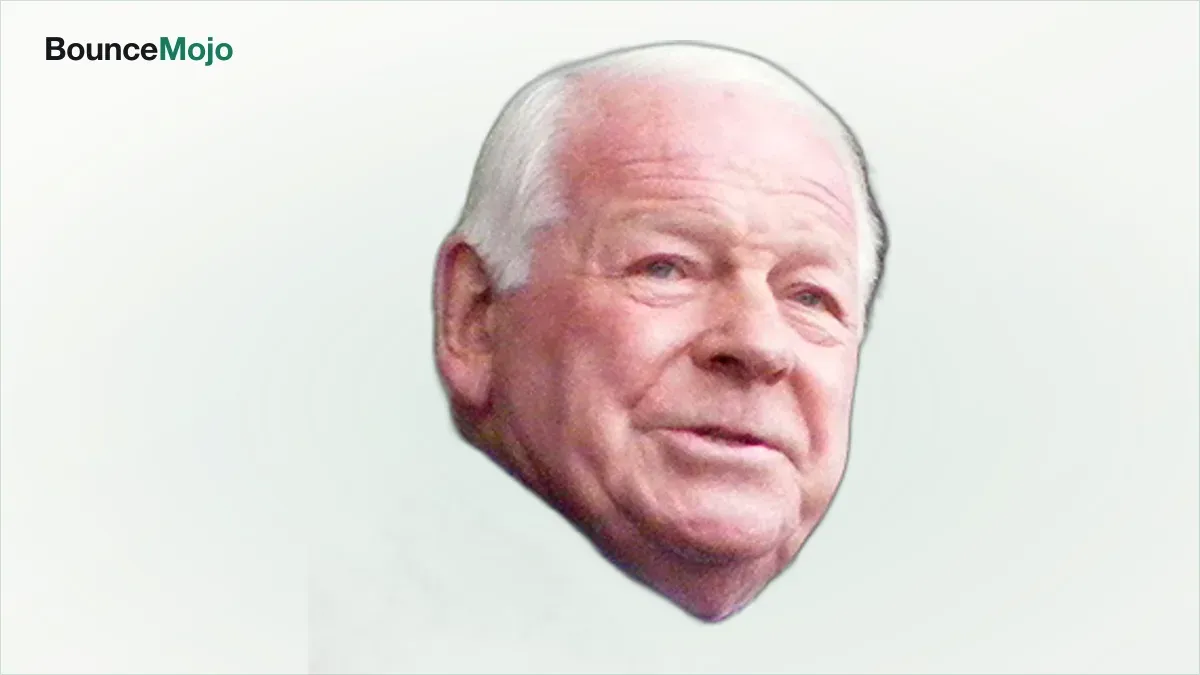
Dave Whelan is one of the wealthiest men British football has produced, and he earned almost none of it from football. The fortune traces back to a single afternoon at Wembley that ruined his playing career.
The Broken Leg At Wembley, 1960
Whelan was a promising full-back for Blackburn Rovers when he lined up in the 1960 FA Cup Final against Wolverhampton Wanderers. He broke his leg badly during the match, and his top-flight career effectively ended there. He played on in the lower leagues, but the potential was gone.
Footballers’ wages in that era were tiny by any modern measure, so there was no cushion to fall back on. What he had was savings and a small amount of compensation.
A Grocery Shop, Then A £1.5 Million Supermarket
He spent it on a grocery shop in Wigan and worked relentlessly. The shop grew into a supermarket. The supermarket eventually sold for a substantial profit, reported at around £1.5 million, and that cheque became the seed capital for everything that followed.
JJB Sports: One Store To A Stock Market Float
Whelan poured the supermarket proceeds into a single sports shop. From that one store he built JJB Sports into one of Britain’s biggest sportswear retailers, then floated it on the London Stock Exchange and cashed in much of his stake. It remained comfortably the largest source of his wealth for the rest of his life.
DW Sports, Retail Parks And The Whelan Group
After stepping back from JJB he launched DW Sports Fitness, pairing gyms with retail under his own initials. Alongside it sat a property arm holding retail parks and commercial developments, plus the warehouses, stores and gym sites underpinning the sports businesses. The Whelan Group tied the family’s various interests together as a holding company, giving the whole thing a structure that could be handed down.
Buying The Town: Wigan Athletic And The Warriors
His proudest assets were not cars or watches. Whelan bought Wigan Athletic and the Wigan Warriors rugby league club, making himself the patron of his town’s entire sporting life.
Wigan Athletic was a labour of love that produced one of the great underdog stories in English football. He funded the club from the lower leagues into the Premier League, built the DW Stadium, and watched them beat Manchester City to lift the FA Cup in 2013 under manager Roberto Martinez. It cost him money rather than making him money, which was rather the point.
What £200 Million Looked Like On Paper
At his peak Whelan’s net worth was estimated at around $260 million, roughly £200 million. That figure comes from the Sunday Times Rich List and reporting by the BBC and Guardian, and it moved with the retail cycle: public estimates ranged from $250 million in 2005 down to about $220 million in 2020.
Treat it as a well-researched approximation of a peak rather than a settled final number. His wealth sat in operating businesses and commercial property, and those valuations shift with the economy rather than sitting still.
Beckham Sold Fame. Whelan Sold Trainers.
David Beckham, worth an estimated $450 million, built his empire on global celebrity and endorsements. Whelan built his with no fame at all, purely through retail grit after his playing career was cut short. Both men ended up owning clubs; only one of them got there by running a shop counter first.
That distinction is what makes him the outlier on our richest soccer players list. His money had essentially nothing to do with football wages, and everything to do with what he did in the forty years after the wages stopped.
Why The Fortune Held Its Shape
What Whelan built was not a portfolio of endorsement deals that expire but a group of owned, cash-generating businesses that held their value through multiple retail downturns and stayed in family hands.
The broken leg at Wembley in 1960 remains the most profitable injury in British sport.
Dave Whelan Net Worth: Year by Year
| Year | Net Worth |
|---|---|
| 2005 | $250 Million |
| 2010 | $260 Million |
| 2015 | $225 Million |
| 2020 | $220 Million |
| 2024 | $260 Million (est.) |
Connected Wealth
Shop Dave Whelan on Amazon
Books, audiobooks, merch and more, handpicked for fans.
As an Amazon Associate we earn from qualifying purchases.
🏆 Top Takeaways to Success
- 1
Turn a setback into a start. Whelan's football career ended with a broken leg in the FA Cup Final. He used the compensation and his savings to open a shop.
- 2
Reinvest every win. He rolled the profit from a small supermarket into a bigger business, then into the JJB Sports chain.
- 3
Build, then sell at the top. Whelan grew JJB into a national retailer and floated it, cashing out much of his fortune.
- 4
Keep it in the family. Whelan built a group of businesses and passed the empire down, protecting the wealth across generations.
Frequently Asked Questions
What was Dave Whelan's net worth?+
Dave Whelan's net worth was estimated at around $260 million (roughly £200 million), built almost entirely from the JJB Sports retail chain, property, and his DW Sports business rather than football.
How did Dave Whelan make his money?+
Whelan made his fortune in retail. After his football career ended, he opened a supermarket, sold it at a profit, and used the proceeds to build the JJB Sports national sportswear chain, later floating it on the stock market.
What happened to Dave Whelan's football career?+
Whelan was a full-back for Blackburn Rovers whose career was effectively ended when he broke his leg in the 1960 FA Cup Final. He played on in the lower leagues but never fulfilled his top-flight potential.
Did Dave Whelan own Wigan Athletic?+
Yes. Whelan owned Wigan Athletic, taking the club from the lower divisions to the Premier League and a stunning 2013 FA Cup victory, and he also owned the Wigan Warriors rugby league club.
How did Dave Whelan make his money?+
Almost none of it came from football. Whelan built his fortune on the JJB Sports retail chain, grown from a single Wigan grocery shop and sold at a large profit, alongside property and his ownership of Wigan Athletic.
Shop Dave Whelan on Amazon
Books, audiobooks, merch and more, handpicked for fans.
As an Amazon Associate we earn from qualifying purchases.