Yoel Romero Biography: The Cuban Soldier Who Fought Time Itself
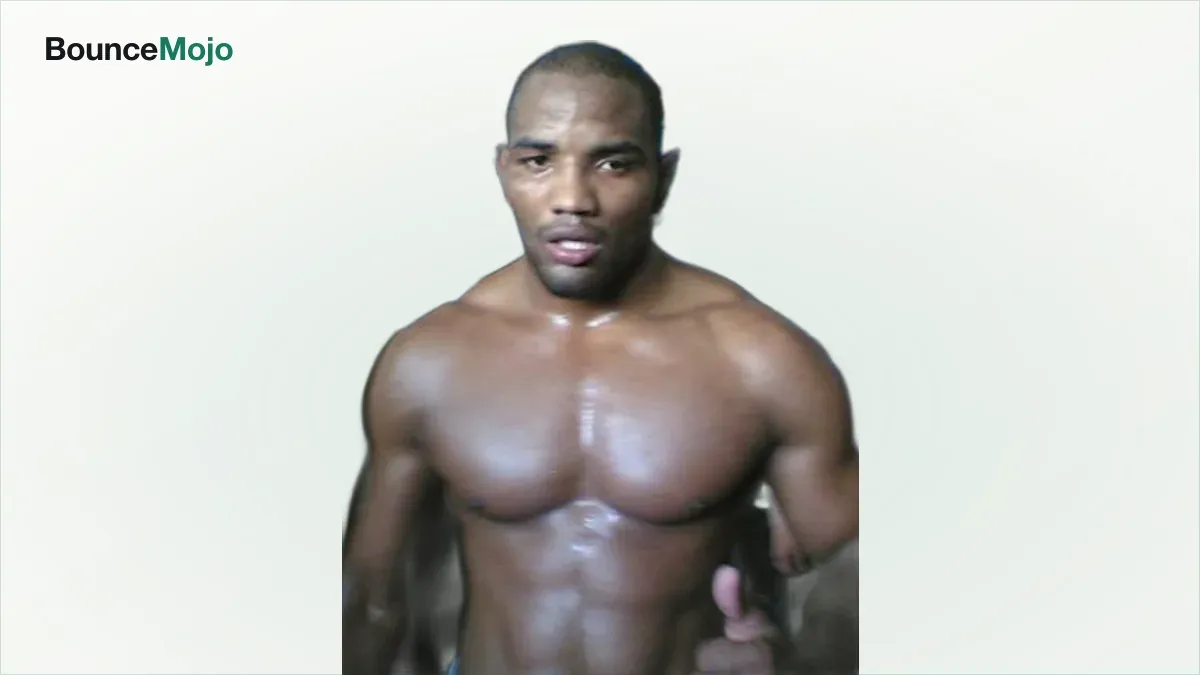
Yoel Romero moved like something not entirely human. Explosive, sudden, terrifying, even as he aged past the point most athletes retire.
Here’s what most people miss: the man who defied time in the cage started with almost nothing, a poor kid in Cuba who wrestled his way to an Olympic medal before he ever dreamed of fighting for money.
The Myth vs. The Reality
The myth is that Yoel Romero was a freak of nature, a man whose impossible athleticism was simply a gift.
Here’s the truth: the gift was forged, not given.
The reality is a fighter built by the brutal, disciplined Cuban wrestling system and by years of relentless work. Romero’s explosive power was real, but it was the product of an elite athletic upbringing and a work ethic sharpened by hardship. He did not float to the top. He clawed there, first in wrestling, then in a sport he entered relatively late.
What made Romero different was the combination of a genuine Olympic pedigree and a refusal to age. He fought the best middleweights in the world into his forties, an era of his life when most athletes are long retired. He was proof that discipline can bend time.
And to understand that discipline, you have to start on an island with very little.
The World That Made Yoel Romero
Yoel Romero Palacio was born on April 30, 1977, in Pinar del Rio, Cuba, into poverty. Life on the island was hard, resources were scarce, and opportunity was limited for a young man without connections.
Picture it: a poor Cuban kid whose only real path upward ran through sport.
Here’s the deal: Cuba had one of the most formidable amateur wrestling programs on earth. The state identified and developed athletic talent ruthlessly, and Romero’s gifts marked him early. Wrestling became his ticket, a way to eat, to travel, and to represent his country on the world stage.
The Cuban system was demanding and severe, but it produced champions. Romero absorbed its discipline and its technique, rising through national and international competition. For a kid from nothing, wrestling was not a hobby. It was survival and identity fused into one.
That foundation would carry him further than anyone expected.
The Crucible: Early Life and the Climb
The Environment That Shaped Them
Romero became a star of Cuban freestyle wrestling. He won a world championship and multiple Pan American titles, competing against the best in the world under the intense pressure of representing a proud wrestling nation.
The catalyst was the Olympics. At the 2000 Sydney Games, Romero won the silver medal, cementing himself as one of the elite wrestlers of his generation. It was the peak of his amateur career and a credential few athletes ever earn.
Now: for most, an Olympic medal is the end of the story. For Romero, it was only the first act.
The Catalyst for Breakout
Romero eventually left Cuba and transitioned to mixed martial arts, a dramatic career change that began when he was already older than most fighters starting out. His wrestling base and freakish athleticism made him a natural, and he rose quickly through the ranks.
Here’s the truth: his late start should have been a ceiling. Instead, he shattered expectations, reaching the UFC and becoming one of the most dangerous middleweights in the world, all while in his late thirties and beyond.
The Olympic wrestler was becoming an MMA phenomenon. And the title, it seemed, was only a matter of time.
The Key Players
Romero’s journey ran through his homeland, his faith, and a set of elite rivals.
The Cuban wrestling system shaped him first, giving him the technical and physical foundation that made everything else possible. That program, and the coaches within it, built the athlete the world would later fear.
His Christian faith became his other anchor, earning him the nickname the “Soldier of God” and shaping how he carried himself through triumph and defeat. It steadied him in a violent business.
You might be wondering about his rivals.
In the UFC, Romero waged classic wars with Robert Whittaker, losing two razor-thin title fights, and he challenged Israel Adesanya for the belt in another closely watched bout. He also shared a memorable, brutal fight with Paulo Costa. These opponents defined his prime and pushed him to the edge of greatness.
Those relationships forged a legend who kept falling agonizingly short. And the near-misses are the heart of his story.
The Turning Point
The Pinnacle of Achievement
Romero’s peak was a strange, thrilling thing: a run of elite performances that made him, for years, one of the most feared men in the sport. His knockouts were spectacular, his athleticism jaw-dropping, and he did it all at an age that defied belief.
It gets better: he became a genuine star. Fans tuned in specifically to see what his explosive gifts might produce on any given night, and his highlight-reel finishes earned him repeated bonuses and top billing on major cards.
For a wrestler who came to MMA late, reaching the summit of the middleweight division was a stunning achievement.
The Price of Admission
But the crown always slipped away. Romero fought for the UFC title multiple times and lost, often by the narrowest of margins, in fights many observers thought he had done enough to win. Two agonizing losses to Whittaker, and a title fight against Adesanya, left him as one of the greatest fighters never to win the belt.
Here’s the kicker: the near-misses came with age working against him. Every title shot arrived later, against younger opponents, and the margins that decided them were cruel.
The championship glory he chased for years stayed just out of reach. Romero gave everything and came up inches short again and again.
Behind the invincible athlete was a man who knew the sting of falling short.
The Unvarnished Truth
Romero’s career is a study in greatness without the ultimate prize.
He never won a UFC title, and that gap defines part of his legacy. For all his gifts, the belt eluded him, a hard truth for a man who was so often the better fighter for large stretches of his championship bouts.
He also faced setbacks, including a failed drug test connected to a supplement issue that he contested, which complicated part of his run. Like many veterans, his late-career results grew uneven as age finally caught up.
Think about it: his story is a reminder that even the extraordinary fall short sometimes. Romero was one of the most talented fighters of his era and still never wore the crown. There is something deeply human in that, a great athlete who gave everything and was denied by the thinnest of margins.
Those margins, and his faith, shaped how he handled it all.
Controversies and Criticisms
Romero’s controversies were relatively contained for a long combat career.
The most notable was a failed drug test that he attributed to a tainted supplement and contested, resulting in a suspension. He maintained his innocence and continued fighting at the top level afterward.
Critics sometimes questioned his pacing, noting that he would coast through early rounds before exploding late, a style that thrilled fans but occasionally cost him decisions in title fights. Others pointed to his age as a fair question about how long he should keep competing.
Here’s the deal: Romero largely let his performances and his faith answer the noise. He carried himself with conviction, credited God for his gifts, and kept stepping into the cage against the best. His dignity, win or lose, defined his public image.
His words revealed that grounded conviction.
Quote Analysis and Literary Breakdown
Romero spoke like a man of deep faith and quiet confidence.
He often referred to himself as the “Soldier of God,” framing his fighting as an expression of belief rather than ego. The nickname was not marketing. It was identity.
On his losses, he stayed philosophical and gracious, crediting his opponents and pointing to his faith for perspective. For a fighter denied the title so cruelly, his lack of bitterness stood out.
On his age and longevity, he expressed gratitude for the gifts that let him compete so long, treating his sustained prime as a blessing rather than a burden.
Read together, his words reveal a man anchored by faith, grateful for his path, and at peace with the margins that denied him gold.
There is a real lesson in that peace.
What We Can Learn From Yoel Romero
Navigating Hard Times
Romero’s rise from Cuban poverty teaches that hardship can forge relentless drive. He had nothing but his gifts and his discipline, and he turned them into an Olympic medal and a world-class fighting career. His start did not define his ceiling.
His grace in defeat teaches resilience. He lost title fights by the thinnest margins and kept competing with dignity and faith intact. He showed that how you handle heartbreak matters as much as how you handle victory.
The Success Blueprint
The professional lesson is about the value of genuine credentials. Romero’s Olympic pedigree gave him credibility and leverage that pure fighters never had, and it kept him earning top purses and landing fresh contracts into his forties. That is why he sits among the sport’s wealthiest names on our richest MMA fighters list.
The deeper lesson is longevity. Romero proved that discipline and elite conditioning can extend an athletic prime far beyond the norm, turning age from an enemy into part of the legend.
Becoming Better
The final lesson from Romero is about peace in the face of injustice. He was, by many accounts, the better fighter in title bouts he did not win, denied by margins so thin they still spark debate. A bitter man could have spent years railing against the decisions. Romero did not. He credited his opponents, leaned on his faith, and kept competing with his dignity intact. That grace under the sting of near-misses is its own kind of victory, and it says something about the difference between winning a belt and winning respect. Romero lost the first and earned the second in abundance.
That points to a clear final take.
Final Verdict
Yoel Romero’s story is about defiance. Defiance of poverty, of expectation, and above all of time. From a poor childhood in Cuba, he wrestled his way to an Olympic medal, then reinvented himself as one of the most feared fighters on earth well past the age most athletes quit.
He did it with faith and dignity. He lost championship fights by cruel margins, faced setbacks, and carried himself with the conviction of the “Soldier of God” through all of it. The belt eluded him, but respect never did.
What lingers is the impossibility of it all: an explosive, ageless athlete who came from nothing and fought the best in the world into his forties. Romero never won the crown, but he proved that discipline, faith, and relentless drive can bend even time itself. He is one of the greatest to never wear a UFC title, and one of the most extraordinary athletes the sport has ever seen.
There is a reason his fights still get replayed and his near-misses still spark arguments. Romero was a genuine marvel, a man whose body seemed to operate on different rules and whose spirit refused to accept the limits of age or circumstance. He rose from Cuban poverty to Olympic glory, then reinvented himself as a fighter and terrorized a division a decade younger than he was. The belt eluded him, but greatness did not. The “Soldier of God” leaves behind a legacy defined not by what he was denied, but by everything he overcame to even be in the room.
Shop Yoel Romero on Amazon
Books, audiobooks, merch and more, handpicked for fans.
As an Amazon Associate we earn from qualifying purchases.
Frequently Asked Questions
Where is Yoel Romero from?+
Yoel Romero was born on April 30, 1977, in Pinar del Rio, Cuba, and grew up in poverty before rising through the Cuban state wrestling system to become an Olympic medalist.
What did Yoel Romero win in the Olympics?+
Romero won the silver medal in freestyle wrestling at the 2000 Sydney Olympics, representing Cuba. He was also a former world champion and multiple-time Pan American champion.
Why is Yoel Romero called the 'Soldier of God'?+
The nickname reflects Romero's deep Christian faith, which he speaks about often and which is central to how he presents himself as a fighter and a man.
Did Yoel Romero ever win a UFC title?+
No. Despite being one of the most feared middleweight contenders of his era, Romero fell short in multiple UFC title fights, losing several extremely close championship bouts.
How old was Yoel Romero at his MMA peak?+
Romero fought at an elite level well into his forties, a remarkable feat of longevity that made his athletic prime one of the most sustained in combat sports.
Want the money side of the story?
Read Yoel Romero's Full Net Worth Breakdown →Shop Yoel Romero on Amazon
Books, audiobooks, merch and more, handpicked for fans.
As an Amazon Associate we earn from qualifying purchases.