Wanderlei Silva Biography: The Axe Murderer Who Made Violence an Art
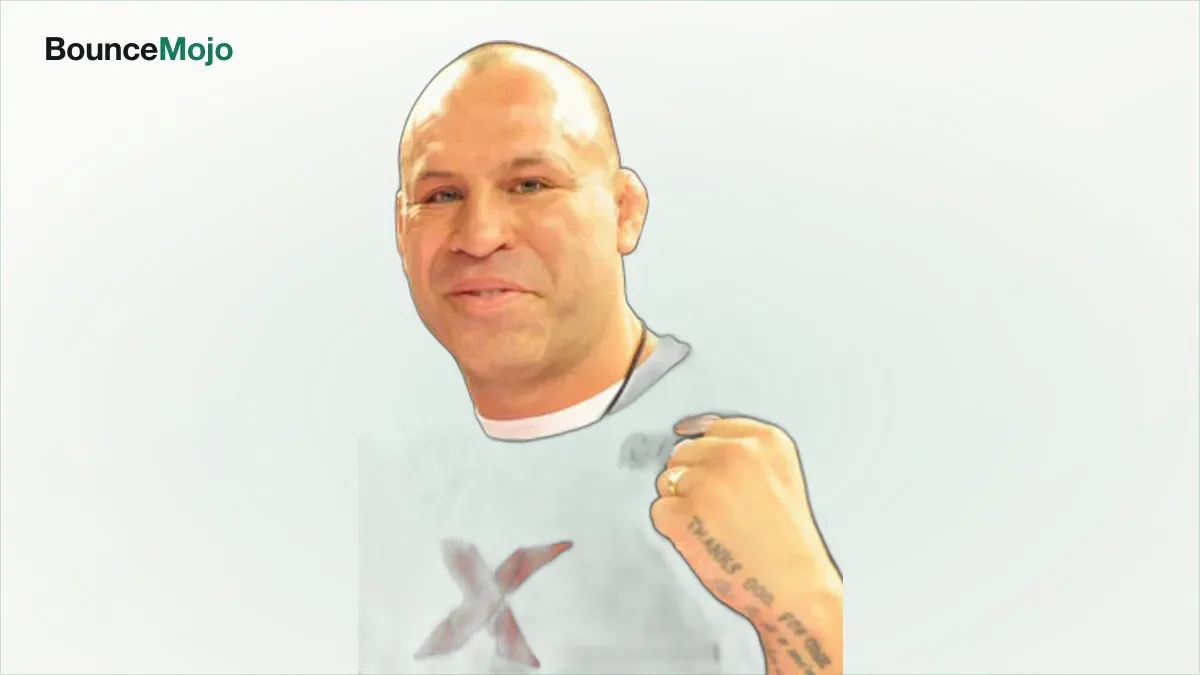
Most fans remember Wanderlei Silva as pure controlled chaos, the wild-eyed brawler who walked forward throwing everything. That image is real. It’s also only half the man.
Here’s what most people miss: the fighter nicknamed “The Axe Murderer” wasn’t just angry. He was a disciplined product of one of the most feared gyms in the world, weaponizing a childhood of street fights into an art form.
The Myth vs. The Reality
The myth is loud. Wanderlei Silva: the snarling Axe Murderer, all fury and forward pressure, a highlight reel of knees to the face and opponents crumpling against the ropes. Berserker. Brawler. Nothing but violence.
The reality has more layers.
Here’s the deal: Wanderlei’s aggression wasn’t recklessness. It was a trained, coached, ruthlessly effective system built at the Chute Boxe Academy, a gym that turned Brazilian toughness into a machine for finishing fights. The wild eyes hid a fighter who understood exactly what he was doing.
And the “just a brawler” framing sells short what came after. When the knockouts dried up and his body slowed, Wanderlei didn’t vanish. He reinvented himself as a promoter, coach, and media figure, proving the mind behind the mayhem was sharper than fans assumed.
You might be wondering: how does a kid from the rough side of Curitiba become one of the most feared fighters on Earth? To understand that, you have to understand the world that made him.
The World That Made Wanderlei Silva
Wanderlei was born in 1976 in Curitiba, a large city in southern Brazil, and the streets there taught him to fight long before any coach did.
He grew up in a hard environment where physical confrontation was ordinary. By his own accounts, he was in countless street fights as a young man, learning to stand his ground before he ever learned technique. This was a world where toughness wasn’t a hobby. It was survival and status.
Now: Brazil in that era was a hotbed of martial arts culture, from Brazilian jiu-jitsu to the emerging vale tudo scene, no-holds-barred fights that were the raw ancestor of modern MMA. Curitiba in particular became a fighting town, and the Chute Boxe Academy sat at its center, breeding a style built on pressure, aggression, and relentless striking.
Wanderlei arrived as this culture was about to go global. He would become its most terrifying export, the human face of a whole generation of forward-marching Brazilian violence.
But before the arenas and the roaring crowds, there was a teenager walking into a gym that would define his life.
The Crucible: Early Life and the Climb
The Environment That Shaped Him
Wanderlei was 13 when he started training at the Chute Boxe Academy under founder Rudimar Fedrigo. That gym became his crucible.
Chute Boxe was famous for its brutal training culture and its philosophy of forward pressure, of breaking opponents rather than out-pointing them. Wanderlei absorbed it completely. The street toughness he already had was refined into a coordinated assault of Muay Thai knees, kicks, and punches, delivered with a viciousness that earned him his nickname.
He turned professional in the mid-1990s, fighting in Brazil’s vale tudo scene before the money and the spotlight found him. Alongside teammates who would also become champions, he built a reputation as one of the most dangerous men coming out of the most dangerous gym.
Here’s the truth: Wanderlei wasn’t born the Axe Murderer. He was manufactured, on the mats of Chute Boxe, from raw material the streets of Curitiba had already hardened.
The Catalyst
The turning point came when Wanderlei arrived in Japan’s PRIDE Fighting Championships.
PRIDE was the richest, most theatrical stage in the sport, and Japanese audiences adored fighters who brought drama and finishes. Wanderlei gave them both. He won the PRIDE middleweight title and held it from 2001 to 2007, defending it again and again while stacking records for wins, knockouts, and title defenses that still stand as some of the promotion’s best.
What happened next turned him from a champion into a phenomenon. His finishes became legend, and one rivalry in particular lifted him into the sport’s mythology.
It gets better, and more violent. That rivalry, and the men who defined his career, are where the story really tightens.
The Key Players
No fighter is forged alone, and Wanderlei’s career was shaped by a cast of coaches, teammates, and rivals.
Rudimar Fedrigo. The Chute Boxe founder was the architect of Wanderlei’s style. Under him, a tough kid became a systematic finisher. The gym’s culture, for all its later controversies, made Wanderlei who he was.
Mauricio “Shogun” Rua. A Chute Boxe teammate who became a champion himself, part of a brotherhood of fighters who trained together and terrorized the sport together.
Quinton “Rampage” Jackson. Their two PRIDE fights are among the most iconic rivalries in MMA history. In the first, Wanderlei stopped Jackson with a barrage of knees in the clinch. In the second, he knocked him out to defend his title. Those wars made both men bigger stars.
Chuck Liddell. A long-anticipated dream fight that finally happened in the UFC, pairing two of the most feared strikers of their era in a bout fans had wanted for years.
Think about it: every one of these relationships is a version of the same theme, violence as spectacle, brotherhood forged in brutality. That theme reached its peak, and its price, at the top of the mountain.
The Turning Point
The Pinnacle
From 2001 to 2007, Wanderlei was the king of PRIDE’s middleweight division and one of the biggest draws in the sport.
He won the 2003 PRIDE Middleweight Grand Prix, defended his belt against a long line of contenders, and built a highlight reel that made him appointment viewing in Japan. His forward-pressing, finish-hunting style was tailor-made for the era, and crowds packed arenas to watch him hunt. As his own net worth story lays out, that stardom translated into the biggest purses of his generation.
What made him special wasn’t just that he won. It was how he won. Wanderlei didn’t grind out decisions. He hunted finishes, walking opponents down with his hands high and his intent obvious, cornering them against the ropes and unloading knees until they fell. In an era before MMA had gone fully mainstream, that clarity of violence made him easy to market and impossible to ignore. Japanese fans, who prized courage and spectacle, embraced him as one of their own. For those PRIDE years, Wanderlei wasn’t just a champion. He was the emotional center of the promotion’s middleweight division, the man crowds paid to see whether they wanted him to win or lose.
He was, for years, the most feared 205-pound-and-under fighter alive, a champion whose name alone sold tickets.
The Price
Here’s the kicker: the very style that made him a legend also shortened his window at the top.
Wanderlei fought to finish and to entertain, which meant he took enormous punishment and threw caution aside. As he aged and moved to the UFC, the same all-out aggression that thrilled crowds left him vulnerable. He suffered brutal knockouts of his own, and the invincible aura of the PRIDE years faded.
The price of being the Axe Murderer was a body and a highlight reel that cut both ways. Which brings us to the harder chapters the legend tends to skip.
The Unvarnished Truth
Wanderlei was never a flawless hero, and the truth of his later career is more complicated than the highlights.
He absorbed devastating losses in the second half of his career, knockouts that were as violent as any he’d delivered. He fought on longer than some thought wise, chasing the roar of the crowd that had always defined him. And his fierce, uncompromising personality sometimes put him at odds with promoters and officials.
Now: none of that erases what he built. Much of what looks like stubbornness was the same relentless drive that made him a champion. A man who fights the way Wanderlei did doesn’t have an “off” switch, and that intensity followed him out of the cage into disputes and controversies.
The most honest thing you can say is this: Wanderlei’s greatest strength, his refusal to back down from anything, was also the source of his hardest moments, in the cage and outside it.
Controversies and Criticisms
For a fighter so beloved, Wanderlei had his share of friction.
Disputes with the UFC. In the later stage of his UFC run, Wanderlei clashed with the promotion over drug testing and licensing issues, leading to a suspension and a public falling-out that kept him out of the cage.
The Chute Boxe reputation. The gym that made him was itself controversial, known for a harsh training culture and later fractured by internal splits, and Wanderlei’s association tied him to those debates.
Fighting past his prime. Critics questioned whether he continued too long, taking damaging losses that dented the legacy of his PRIDE dominance.
A combustible temper. His intense personality occasionally spilled into confrontations and heated public disputes, a reminder that the fire that fueled his fighting didn’t always stay in the arena.
What We Can Learn From Wanderlei Silva
Navigating Hard Times
The first lesson is about resilience. Wanderlei took some of the most brutal losses in MMA history and kept getting up, both literally and in his career. When the fighting slowed, he refused to fade into irrelevance.
Here’s the truth the later years make plain, though: knowing when to change lanes matters as much as knowing how to fight. Wanderlei’s smartest move wasn’t a knockout. It was pivoting to promotions, coaching, and media before his fighting income ran out. Reinvention beat stubbornness.
The Success Blueprint
If you want the replicable part, it’s this: Wanderlei built a brand out of a style. He didn’t just win. He won in a way nobody could ignore, and that made him unforgettable and bankable.
That’s transferable. The lesson isn’t “be violent.” It’s “be so distinctive that people can’t look away, then own that identity.” His enduring fame turned into businesses that kept paying, and as our richest MMA fighters ranking shows, it left him wealthier than most fighters of his era.
Becoming Better
The deepest lesson is about legacy. Wanderlei earned a UFC Hall of Fame nod not just for winning but for helping build the sport when it was still raw and unproven. He was a pioneer, and pioneers are remembered.
In other words, the value you create for something bigger than yourself outlasts any single win or loss. Wanderlei helped drag MMA into the mainstream, and that contribution earned him a place in history no knockout could.
Final Verdict
Wanderlei Silva is one of the defining figures of MMA’s formative era, and “defining” carries as much weight as “great,” though he was surely that too. He gave the sport a face, a snarl, and a style so ferocious it helped make mixed martial arts must-see entertainment. Without draws like him, PRIDE never becomes the phenomenon it was.
And here’s the twist that reframes everything: the man built to destroy people in the cage turned out to be a shrewd builder outside it. He walked away with a lasting fortune, a Hall of Fame place, and a brand that still earns decades after his prime. The full picture of what that career was worth lives in his net worth breakdown, but the number was never the whole story. Wanderlei’s real achievement was proving that the most terrifying fighter in the room could also be smart enough to make the spotlight last a lifetime.
Shop Wanderlei Silva on Amazon
Books, audiobooks, merch and more, handpicked for fans.
As an Amazon Associate we earn from qualifying purchases.
Frequently Asked Questions
Where did Wanderlei Silva grow up?+
Wanderlei Silva grew up on the rough streets of Curitiba, Brazil, where he was in many street fights before he ever walked into a gym. He was born on July 3, 1976.
What is the Chute Boxe Academy?+
Chute Boxe is the legendary Curitiba gym where Wanderlei began training at age 13 under founder Rudimar Fedrigo. It produced a generation of ferocious Brazilian fighters and shaped Wanderlei's aggressive, forward-pressing style.
Why is Wanderlei Silva called 'The Axe Murderer'?+
The nickname came from his brutal finishing style, stopping opponents with a relentless barrage of knees, kicks, and punches. In Brazil he was also known as 'Cachorro Louco,' or Mad Dog.
What was the Wanderlei Silva vs Rampage Jackson rivalry?+
Their two PRIDE fights are among the most intense rivalries in MMA history. Silva won both brutally, the first with a barrage of knees, the second with a knockout, defending his PRIDE middleweight title.
Is Wanderlei Silva in the UFC Hall of Fame?+
Yes. In 2024 Wanderlei Silva was named to the UFC Hall of Fame's pioneer wing, honoring his role in building the sport during the PRIDE era.
Want the money side of the story?
Read Wanderlei Silva's Full Net Worth Breakdown →Shop Wanderlei Silva on Amazon
Books, audiobooks, merch and more, handpicked for fans.
As an Amazon Associate we earn from qualifying purchases.