Scott Hall Biography: The Bad Guy Who Fought His Toughest Battle
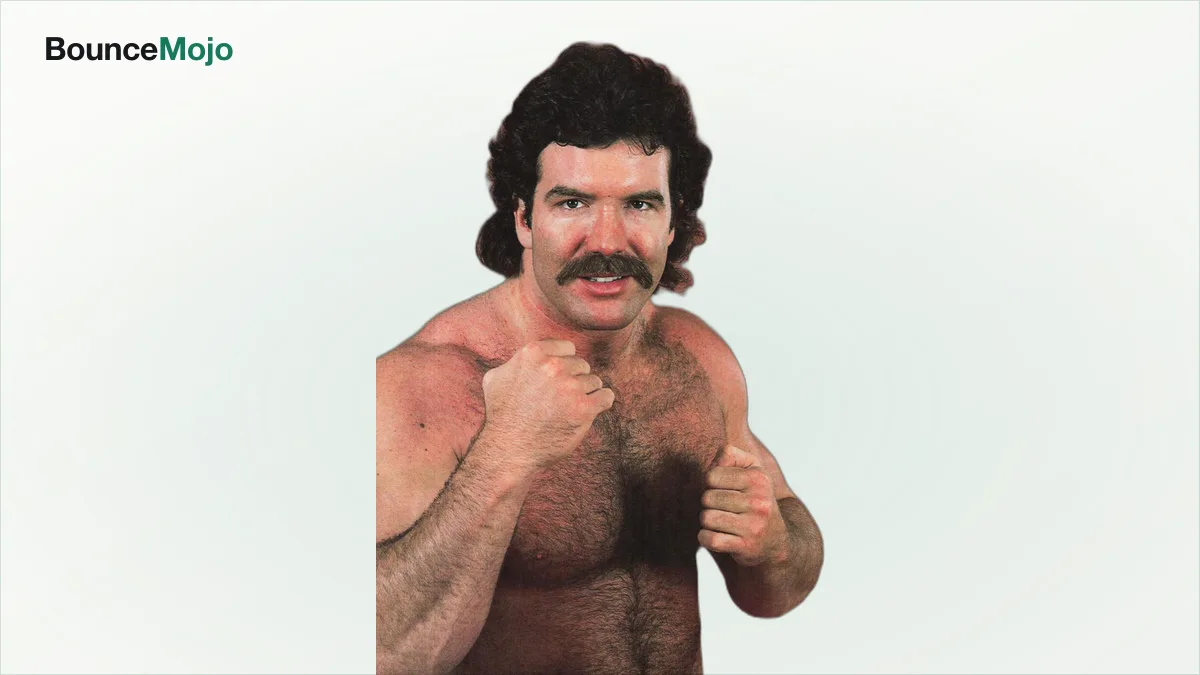
Scott Hall played the perfect villain. The swagger, the toothpick, the cool menace. Fans loved to hate him, then just loved him.
Here’s what most people miss: the hardest fight of his life was never scripted. Off camera, Hall battled demons that nearly destroyed him, and his greatest victory came not with a title, but with his recovery.
The Myth vs. The Reality
The myth is that Scott Hall was the effortlessly cool bad guy, all swagger and confidence.
Here’s the truth: the confidence on screen hid deep private pain.
The reality is that Hall was one of the most naturally gifted performers wrestling ever produced, and also one of its most tormented. The man who oozed cool as Razor Ramon fought a long, public battle with personal struggles that repeatedly derailed a career that should have been even greater. The character was invincible. The man was profoundly human.
What makes Hall’s story different is that his most important arc was redemption. Many wrestlers had brilliant careers. Few had a comeback as moving as Hall’s climb back from the edge, a recovery that touched the entire industry.
And to understand that long road, you have to start with a childhood that was always in motion.
The World That Made Scott Hall
Scott Oliver Hall was born on October 20, 1958, into a military family. That meant a childhood on the move, from base to base, never staying anywhere long enough to fully put down roots.
Picture it: a big, athletic kid constantly starting over in new towns, new schools, new social worlds.
Here’s the deal: that restless upbringing shaped him. It made him adaptable and tough, but it may also have planted a lifelong search for belonging. Hall grew into an imposing, charismatic young man, and sports gave him the structure and identity that a transient childhood lacked.
The America of Hall’s youth, all military bases and constant relocation, taught him to project confidence quickly and win people over fast, skills that would later make him a magnetic performer. But the rootlessness left its mark too, in ways that would surface much later.
First, though, he found the stage where his charisma could shine.
The Crucible: Early Life and the Climb
The Environment That Shaped Them
Hall found his way into professional wrestling in the 1980s, breaking in with the natural physical tools promoters dreamed of, size, athleticism, and undeniable charisma. He worked various promotions, searching for the character that would unlock his potential.
The environment was a grind of regional territories and constant travel, a hard apprenticeship that tested every young wrestler’s resolve.
Now: Hall had the raw talent, but he needed the right vehicle. For years he was a promising performer waiting for the role that would make him a star.
The Catalyst for Breakout
The break came in the WWF in the early 1990s. Inspired by Al Pacino’s character in Scarface, Hall debuted as Razor Ramon, the toothpick-flicking, gold-chained “Bad Guy” with a Cuban accent and endless swagger.
But here’s the truth: the character was a phenomenon. Razor Ramon became one of the most beloved acts of the era, a multi-time Intercontinental Champion whose ladder match with Shawn Michaels is considered one of the greatest matches ever.
What made Razor Ramon click was Hall’s natural charisma. Plenty of wrestlers could talk tough, but Hall made the swagger feel effortless and genuinely cool. The toothpick flick, the slow smirk, the gold chains, all of it added up to a character audiences could not take their eyes off. Villains are supposed to draw boos. Razor Ramon drew cheers instead, because Hall was simply too magnetic to hate. That undeniable presence is what separated him from the countless tough-guy gimmicks that came and went.
Hall was finally a star. And his most industry-shaking moment was still to come.
The Key Players
Hall’s life ran through a circle of deep friendships.
The most important was Kevin Nash, his best friend and brother in all but blood. The two were inseparable, and their partnership drove the biggest moment of both their careers. Nash stood by Hall through everything, right to the end.
Then there was The Kliq, the tight backstage group of Hall, Nash, Shawn Michaels, Triple H and Sean Waltman. These friends supported one another through the brutal wrestling business, and their bond shaped the industry.
You might be wondering who helped him most in his darkest hours.
That was Diamond Dallas Page, whose famous efforts to help Hall reclaim his health and sobriety became one of wrestling’s most inspiring stories. Page refused to give up on his friend.
Those relationships shaped him. And with Nash, he created the moment that made him a legend.
The Turning Point
The Pinnacle of Achievement
The turning point came in 1996. Hall walked onto WCW television as “The Outsider,” seemingly invading the show, and with Kevin Nash and Hulk Hogan, co-founded the New World Order. It was a cultural earthquake.
It gets better: the nWo helped WCW dominate the ratings war and became one of the most valuable brands in wrestling history. Hall, cool and menacing, was at the very heart of it, one of the most popular and well-paid figures in the entire industry.
For a time, Scott Hall was on top of the world.
The Price of Admission
But the peak carried a heavy price. As his fame and earnings soared, Hall’s personal struggles deepened. The pressures of stardom, the relentless travel, and his own demons combined to derail his career at the very moment it should have been unstoppable.
Here’s the kicker: the higher he climbed, the harder the fall became. His battles cost him opportunities, relationships, and years, turning a story of triumph into one of painful decline.
The tragedy was that the talent never faded. It was the circumstances around it that faltered, and watching such a gifted performer struggle was heartbreaking for the fans and peers who loved him.
Behind the cool “Bad Guy” was a man in genuine pain, and the world watched him fight it.
The Unvarnished Truth
Hall was, in the end, remarkably honest about his struggles.
He never fully hid his battles, and in his later years he spoke openly and humbly about the mistakes and the pain, refusing to make excuses. That candor made his eventual redemption all the more powerful.
His vulnerability became part of his legacy. Rather than a cautionary tale to be whispered about, Hall’s honesty turned his story into one of hope, proof that recovery was possible even after decades of struggle.
Think about it: that openness is why he was so loved. Hall did not pretend to be the invincible character he played. He owned his humanity, flaws and all, and in doing so he helped others facing similar battles.
His struggles, though, were inseparable from real controversy.
Controversies and Criticisms
Hall’s career was shadowed by his personal battles.
His struggles led to missed opportunities, professional setbacks, and difficult periods that were often public, drawing concern and sometimes criticism from an industry watching a legend fight himself.
There were serious incidents in his life connected to those struggles, chapters he later addressed with regret and honesty rather than denial.
Here’s the deal: the wrestling world ultimately responded to Hall with compassion rather than condemnation. As he pursued recovery with the help of friends like Diamond Dallas Page, the narrative shifted from criticism to celebration of his courage. His willingness to face his failings, and to keep fighting, transformed how people saw him. He became a symbol of second chances.
His own words captured that hard-won wisdom.
Quote Analysis and Literary Breakdown
Hall’s most famous words took on deeper meaning as his life unfolded.
“Hey yo.” His simple Razor Ramon catchphrase became an affectionate rallying cry for fans, a sound that instantly conjured his cool charisma and, later, their love and support for him.
“Bad times don’t last, but bad guys do.” This line, associated with his persona, gained poignant new meaning through his survival and comeback. The bad guy did last, through everything.
On his recovery: Hall spoke with raw gratitude about the friends who saved him and the second chance he received. Those reflections revealed a humble, thankful man beneath the swagger.
Read together, the quotes trace an arc from cocky villain to grateful survivor, a man whose real story was far deeper than his character.
There is a clear lesson in that.
What We Can Learn From Scott Hall
Navigating Hard Times
Hall’s life is one of wrestling’s most powerful lessons in resilience and recovery. He fell about as far as a person can fall, and with help, he climbed back. His story proves that no struggle is beyond redemption if a person is willing to fight and to accept support.
His lesson is that it is never too late to turn things around, and that asking for help is a form of strength, not weakness.
The Success Blueprint
The professional lesson is about the lasting value of a great character. Razor Ramon and the nWo were so iconic that they generated income and goodwill for decades, keeping Hall’s legacy valuable even through his hardest years. That enduring appeal is why his name remains on our richest wrestlers list.
The financial lesson is a cautionary one: even peak earnings can slip away without stability, a reminder of the importance of the discipline that steadied the healthiest earners on our richest athletes list.
Becoming Better
The deepest lesson from Scott Hall is about grace and second chances. His story could have ended as a tragedy, another gifted performer lost to his demons. Instead, with the loyalty of friends and his own courage, he wrote a different ending, one of recovery, honesty, and peace. He showed that a person is more than their worst chapters, and that redemption, though hard, is real. Most stories of struggle do not get a hopeful final act. Hall fought for his. There is profound comfort in a man who fell so far and still found his way back, and who let the whole world learn from his journey.
That grace points to a clear final take.
Final Verdict
Scott Hall’s story is about a brilliant talent, a painful struggle, and a redemption that gave it all meaning. From a restless military-family childhood to the swaggering glory of Razor Ramon and the nWo, he became one of the most influential performers wrestling has ever seen.
He reached the very top, then fought battles that nearly took everything. And with the help of friends who never gave up on him, he found his way back, facing his demons with honesty and earning a peace that had long eluded him. When he passed in 2022, the wrestling world mourned not just a legend, but a man who had shown them all what courage and recovery look like.
What lingers is the humanity. Hall gave fans an unforgettable character, but his truest gift was his honesty about being human. The bad guy did last, through every hardship, and his story became one of hope. Scott Hall proved that a legacy is measured not only by titles won, but by battles fought and second chances seized. “Hey yo” will echo for as long as wrestling is remembered, and so will the courage of the man behind it.
His impact on the wrestlers who came after him is impossible to overstate. Countless performers cite Razor Ramon as an influence, and his fingerprints are all over the modern style of the tough, charismatic anti-hero. Yet the deeper legacy is the example of his recovery. Hall showed a locker room full of people fighting their own battles that redemption was possible, that no one is beyond saving. That may be the most valuable thing he ever gave the business, and it will outlast every title he held.
Shop Scott Hall on Amazon
Books, audiobooks, merch and more, handpicked for fans.
As an Amazon Associate we earn from qualifying purchases.
Frequently Asked Questions
Where was Scott Hall born?+
Scott Oliver Hall was born on October 20, 1958. As a military family child, he moved often in his youth before settling into athletics and eventually professional wrestling.
Why was Scott Hall famous?+
Hall was famous as Razor Ramon in WWF, a multi-time Intercontinental Champion, and as a co-founder of the New World Order (nWo) in WCW, one of wrestling's most influential factions.
What struggles did Scott Hall face?+
Hall battled serious personal and health struggles for much of his life, which affected his career, before achieving a widely celebrated recovery and redemption later in life.
Who helped Scott Hall turn his life around?+
Fellow wrestler Diamond Dallas Page famously helped Hall through his recovery, and his best friend Kevin Nash supported him throughout his life.
When did Scott Hall die?+
Scott Hall passed away on March 14, 2022, at age 63, following complications after surgery. He was deeply mourned across the wrestling world.
Want the money side of the story?
Read Scott Hall's Full Net Worth Breakdown →Shop Scott Hall on Amazon
Books, audiobooks, merch and more, handpicked for fans.
As an Amazon Associate we earn from qualifying purchases.