Ronaldinho Biography: The Joy, Genius and Fall of a Magician
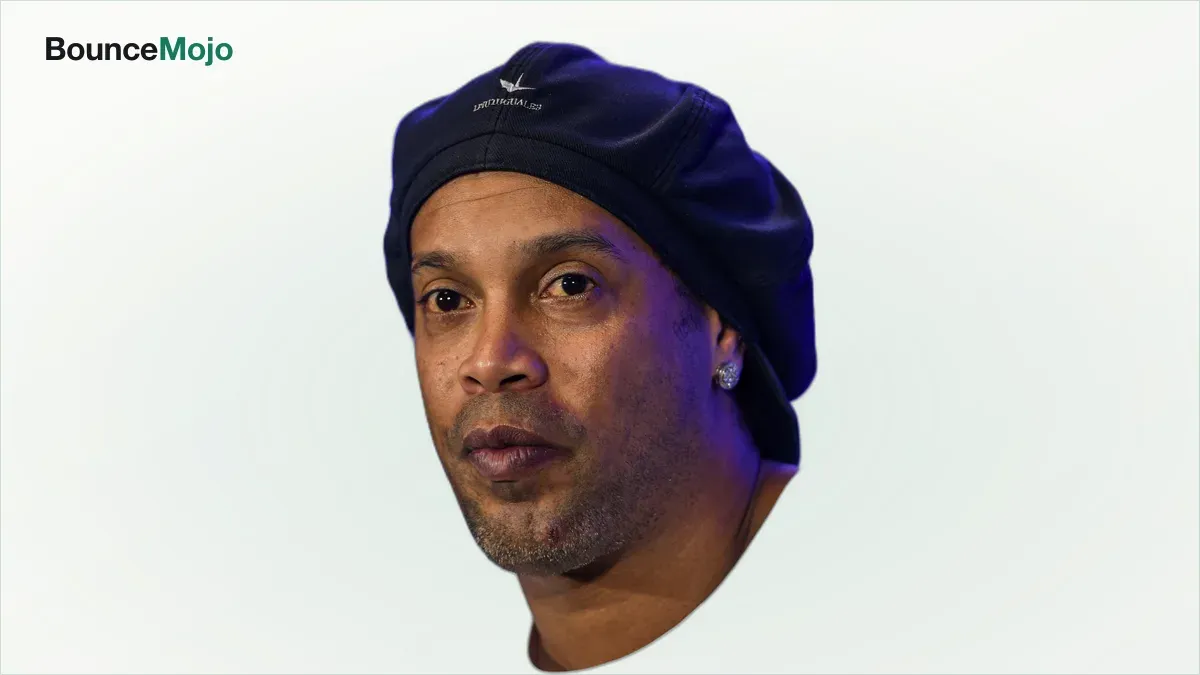
Most people remember Ronaldinho for the smile, the tricks, the pure joy he brought to a football pitch. All of that is real. But the full story is far more dramatic.
Here’s what most people miss: the happiest player football ever saw ended up frozen out of his own bank accounts and detained in a foreign country, a fall as steep as his rise was magical.
The Myth vs. The Reality
The myth is pure sunshine. Ronaldinho: the smiling magician, all joy and tricks, a carefree genius who played football like it was a game in the park.
The reality has real shadows.
Here’s the deal: the joy was genuine, and it’s a huge part of why the world loved him. But that same free-spirited nature had a cost. The lack of discipline that made his football so unpredictable also, some argue, shortened his peak and, far more seriously, left his finances dangerously exposed. The smile hid a man who trusted too easily and planned too little.
And the “carefree genius” framing misses how much work built the magic. Ronaldinho’s impossible skills came from thousands of hours of street football and futsal, a technical education most players never get. The effortlessness was earned.
You might be wondering: how does a kid from the streets of Porto Alegre become the best player in the world, and then lose so much of what he won? To understand that, you have to understand where he came from.
The World That Made Ronaldinho
Ronaldinho was born in 1980 in Porto Alegre, in southern Brazil, into a country where football is closer to a religion than a sport.
Brazilian football of his youth celebrated flair, creativity and individual expression, the joga bonito, the beautiful game, that prized skill and joy over rigid tactics. Ronaldinho was the perfect product of that culture, a player whose imagination seemed to have no limits. He grew up playing street football and futsal, the fast, small-sided game that forges the close control Brazilian stars are famous for.
Now: he also came from hardship. His family was poor, and football represented a genuine escape. His father, who had been a footballer himself, died in an accident when Ronaldinho was young, a tragedy that shaped the family and deepened their reliance on football as a path forward.
That backdrop, joy born from a tough environment, defined him. Ronaldinho played with the freedom of someone who understood how much football had given him. And the first person to show him the way was inside his own home.
The Crucible: Early Life and the Climb
The Environment That Shaped Him
Ronaldinho’s older brother, Roberto, was a promising footballer whose own career was cut short by injury. Roberto became a guiding figure, steering his little brother’s development and later managing aspects of his career.
Growing up, Ronaldinho honed his skills relentlessly, dazzling in youth football and futsal. A famous story tells of a young Ronaldinho scoring all the goals in a 23-0 youth match, an early sign of a talent that was simply on another level. He was a local phenomenon before he was a teenager.
Here’s the truth: that raw genius needed a stage, and Brazilian football provided it. Ronaldinho broke through at Gremio, his hometown club, thrilling crowds with tricks and goals that marked him as a future superstar. The world was starting to notice.
His performances earned a move to Europe, to Paris Saint-Germain, where he continued to develop into a world-class talent, if not yet the finished article. The magic was there. The consistency was coming.
The Catalyst
The move that changed everything was Barcelona in 2003.
Ronaldinho arrived at a Barcelona in decline and lifted the entire club on his shoulders. He became the best player in the world, winning the FIFA World Player award in 2004 and 2005, leading Barcelona to La Liga titles and the 2006 Champions League. He played with a joy that was infectious, nutmegs, no-look passes, impossible flicks, all delivered with that unmistakable grin.
It gets better: in 2005, he produced a moment for the ages. Playing away at Real Madrid, Ronaldinho scored twice in a display so brilliant that the Bernabeu crowd, Barcelona’s fiercest rivals, rose to applaud him. Only a handful of players in history have earned that.
That peak made him a global icon. But no rise, or fall, happens alone, and Ronaldinho’s story is full of the people who shaped it.
The Key Players
No legend rises and falls without a cast around them, and Ronaldinho’s is a memorable one.
Roberto de Assis. His older brother, mentor and manager, deeply involved in his career and finances. That closeness was a source of support, but the entanglement of family and business would later feature in his financial troubles.
Lionel Messi. At Barcelona, a veteran Ronaldinho welcomed a shy teenage Messi into the first team, mentoring him and assisting some of his earliest goals. The passing of the torch, from the world’s best to the man who’d become the greatest, is one of football’s most poignant stories.
Samuel Eto’o. His attacking partner at Barcelona, part of a devastating front line that terrorized Europe. Together they drove Barca’s revival and Champions League triumph.
The advisors. The less flattering part of the cast. Over the years, Ronaldinho’s financial affairs became entangled with advisors and associates whose management, and in some cases alleged misdeeds, contributed to his money troubles. Trust, freely given, would cost him dearly.
Think about it: the same warmth and trust that made Ronaldinho beloved also made him vulnerable. That tension defines the second half of his story.
The Turning Point
The Pinnacle
Ronaldinho’s peak, roughly 2004 to 2006, was as high as football gets.
Best player in the world two years running. A 2006 Champions League title. The 2002 World Cup already in his cabinet, won with Brazil in Japan and South Korea, where his audacious long-range free-kick against England stunned the world. For a few golden years, no one on earth played more beautiful, joyful, effective football.
He wasn’t just winning. He was redefining what football could look like, inspiring a generation and drawing admiration from every corner of the sport. As his own net worth story explains, that peak built an enormous fortune and a global brand, placing him among the richest soccer players whose fame still pays decades later.
The Price
Here’s the kicker: the peak burned bright and faded fast.
Ronaldinho’s discipline, or lack of it, became an issue at Barcelona. His famous love of Barcelona’s nightlife, his relaxed approach to fitness, and a general sense that the magic was fading led to a decline and eventually a move to AC Milan. He remained a star, but never again the untouchable force of his peak. The joy that made him great may also have cut his prime short.
The bigger price came later, and it was financial. The carefree approach that charmed the world proved disastrous for his money, leaving his fortune exposed to the troubles that would follow.
The Unvarnished Truth
Ronaldinho’s sunny image hides a genuinely troubled financial and personal story.
The decline of his peak was, by many accounts, self-inflicted, a talent that could have dominated for longer, dimmed partly by a lifestyle that prioritized enjoyment over elite professionalism. It’s a bittersweet truth for fans: we got magic, but perhaps less of it than his gifts deserved.
Now: none of that makes him a bad person. Ronaldinho’s warmth and generosity are legendary, and his joy gave millions of people happiness. But the same free spirit left him poorly protected. He trusted the wrong people, signed things he shouldn’t have, and paid a heavy price.
The most honest thing anyone can say is that Ronaldinho’s greatest strength and greatest weakness were the same trait: a joyful, trusting, undisciplined freedom. It made his football unforgettable. It also made his finances a mess.
Controversies and Criticisms
For such a beloved figure, Ronaldinho’s later life brought serious controversy.
Financial collapse. Reports emerged of frozen bank accounts, massive unpaid fines, and a fortune that had dwindled alarmingly. For a player who had earned so much, the scale of the trouble shocked fans.
The Paraguay detention. In 2020, Ronaldinho was detained in Paraguay over a case involving falsified passports, spending time in custody and under house arrest. The images of one of football’s happiest icons caught in a legal saga were jarring.
Endorsement and political missteps. Ronaldinho drew criticism over certain commercial and political associations in Brazil, decisions that damaged his standing with some fans and raised questions about the judgment of those advising him.
The decline debate. On the pitch, critics have long argued that Ronaldinho wasted a portion of his prime through indiscipline, that his ceiling was even higher than the remarkable career he had.
None of it has erased the love for him. If anything, his humanity, flaws and all, only deepens the world’s affection for the magician.
What We Can Learn From Ronaldinho
Navigating Hard Times
The lesson from Ronaldinho’s fall is sobering: earning a fortune is not the same as keeping one. He made enormous money and still ended up in serious financial trouble, largely because he didn’t protect it or surround himself with the right people.
Here’s the truth: talent creates wealth, but only discipline and good counsel preserve it. Ronaldinho’s story is a warning to every high earner that the people you trust with your money matter as much as the money itself.
The Success Blueprint
If you want the replicable part, it’s the joy. Ronaldinho played with a love for the game that made him unstoppable at his peak and beloved forever. He proved that passion and creativity, not just grit and calculation, can take you to the very top.
That spirit inspired a generation and shaped even the greatest, from the young Lionel Messi he mentored to modern stars watching old clips for ideas. Compared with the disciplined, structured earnings of players like Erling Haaland, Ronaldinho’s career is the reminder that magic still matters, even if the business side needs guarding. The lesson isn’t “be reckless.” It’s “let your genuine joy for what you do power the work, then protect what it earns.”
Becoming Better
The deepest lesson is about balance. Ronaldinho gave the world unforgettable joy but paid for a lack of discipline in both his career and his finances. The ideal, hard as it is, is to keep the joy and add the structure.
In other words, don’t let your greatest strength become an unguarded weakness. Ronaldinho’s warmth made him a legend and left him vulnerable, and the tragedy is that a little more caution might have preserved both the magic and the money.
Final Verdict
Ronaldinho is one of the most beloved footballers who ever lived: a World Cup winner, a Barcelona icon, the smiling genius who made the game beautiful and mentored the man who’d become its greatest. His joy is his eternal gift to the sport.
And here’s the twist that reframes everything: the happiest player football ever knew became one of its most cautionary tales, a man who earned a fortune and a place in history, then watched much of the fortune slip away through misplaced trust and a lack of discipline. The magic was real. So was the fall.
The full financial side of that story, the peak wages, the endorsements, the frozen accounts and the fight to rebuild, lives in his net worth breakdown. Read it if you want to understand how the most joyful genius in football history became both an icon and a warning, and why keeping a fortune can be far harder than earning one.
Shop Ronaldinho on Amazon
Books, audiobooks, merch and more, handpicked for fans.
As an Amazon Associate we earn from qualifying purchases.
Frequently Asked Questions
Where is Ronaldinho from?+
Ronaldinho, real name Ronaldo de Assis Moreira, was born on March 21, 1980, in Porto Alegre, Brazil, where he learned football on the streets and through futsal.
What did Ronaldinho win in his career?+
Ronaldinho won the 2002 World Cup with Brazil, the 2006 Champions League and multiple La Liga titles with Barcelona, and was named the world's best player in 2004 and 2005.
Did Ronaldinho really mentor Lionel Messi?+
Yes. At Barcelona, a veteran Ronaldinho took a young Lionel Messi under his wing, helping the teenager settle into the first team and famously assisting his early goals.
What happened to Ronaldinho's money?+
Ronaldinho faced serious financial and legal trouble later in life, including frozen accounts, unpaid fines and a period detained in Paraguay in 2020 over a falsified-passport case, much of it linked to poor advice and management.
Why is Ronaldinho so loved?+
Ronaldinho played with a joy and creativity rarely seen in the modern game, all smiles, tricks and imagination, making him one of the most beloved footballers of all time, admired even by rival fans.
Want the money side of the story?
Read Ronaldinho's Full Net Worth Breakdown →Shop Ronaldinho on Amazon
Books, audiobooks, merch and more, handpicked for fans.
As an Amazon Associate we earn from qualifying purchases.