Roman Reigns Biography: From Football to Cancer Fight to WWE Rule
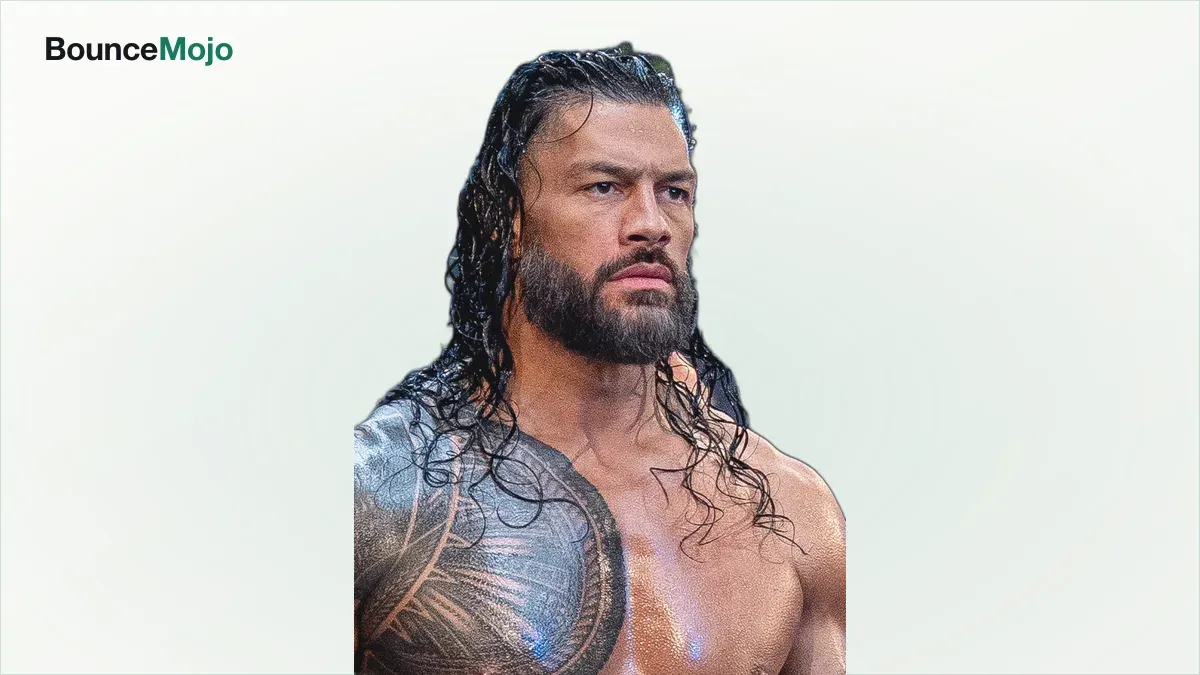
Roman Reigns is WWE’s biggest star, and for years the crowd could not stand him. A rare case where being hated was the best thing that ever happened to a career.
Here’s what most people miss: before the championships, before the “Tribal Chief,” this was a college football player who beat leukemia twice and was told wrestling was not even his best option.
The Myth vs. The Reality
The myth is that Roman Reigns was handed the top spot because of his famous family and his marketable look.
Here’s the truth: he had to survive far more than politics to get there.
The reality is that Reigns is a two-time leukemia survivor, a former college and professional football player, and a performer who endured years of fan rejection before finally cracking the code on his own character. The polished dominance of the “Tribal Chief” was built on real adversity, not just good genes.
What makes Reigns different is that his greatest success came only after he embraced being the villain. For years WWE pushed him as a hero and the audience resisted. When he finally leaned into arrogance and menace, he became the best version of himself.
And to understand that journey, you have to start with the bloodline he was born into.
The World That Made Roman Reigns
Leati Joseph Anoaʻi was born on May 25, 1985, in Pensacola, Florida, into wrestling royalty. His father, Sika, was one half of the legendary Wild Samoans tag team, and the extended Anoaʻi family produced a stunning number of wrestling greats, including Rikishi, Yokozuna, and, by family bond, Dwayne “The Rock” Johnson.
Picture it: a kid raised inside one of the most decorated wrestling dynasties in history.
Here’s the deal: that legacy was both a gift and a weight. The Anoaʻi name opened doors, but it also created enormous expectations. Joe grew up surrounded by champions, knowing the family business was always an option and always a standard to live up to.
Samoan wrestling families have a proud, deep tradition in the business, tracing back generations. The bond between Reigns’ grandfather and The Rock’s grandfather, sealed by a traditional Samoan ceremony, is why the two stars call each other cousins today. That heritage shaped Joe’s identity long before he ever wrestled.
But wrestling was not his first path.
The Crucible: Early Life and the Climb
The Environment That Shaped Them
Before the ring, Anoaʻi was an athlete on the gridiron. He played college football as a defensive tackle for the Georgia Tech Yellow Jackets, where he also met his future wife, Galina Becker.
The environment was competitive and unforgiving. He chased an NFL career, getting signed and released by both the Minnesota Vikings and the Jacksonville Jaguars. When the NFL did not work out, he took his talents north, playing in the Canadian Football League for the Edmonton Eskimos.
Now: that football grind mattered. It gave him the size, athleticism, and discipline that would later translate to the ring, and it taught him how to handle rejection.
The Catalyst for Breakout
But the most defining moment of his early life had nothing to do with sports. In 2007, at just 22 years old, Anoaʻi was diagnosed with chronic myelogenous leukemia, a form of blood cancer.
But here’s the truth: it reframed everything. Facing a life-threatening illness so young forced a perspective most people never gain. He managed the disease, walked away from football, and turned toward the family business that had always been waiting.
He signed with WWE, and the Anoaʻi legacy pulled him toward the spotlight. The cancer, though, was not finished with him.
The Key Players
Reigns’ story runs through family and a few key allies.
The most defining relationships are with the Anoaʻi family itself. His cousins, The Usos, became his tag-team partners and, later, central figures in his “Bloodline” storyline, turning real family bonds into the most compelling narrative in modern WWE. His cousin The Rock loomed as both an inspiration and, eventually, an on-screen rival, a megastar who walked the same path decades earlier.
Then there is Paul Heyman, who became Reigns’ on-screen “Wise Man” and special counsel. Their pairing gave the “Tribal Chief” character a mouthpiece and a menace that elevated the entire act.
You might be wondering about his family at home.
Reigns married Galina, his college sweetheart, and became a father of several children. That grounding, and his survival of cancer, gave him a maturity and calm that eventually radiated through his most dominant work.
Those relationships built the foundation for his greatest run. And that run began with a shocking reinvention.
The Turning Point
The Pinnacle of Achievement
The turning point came in 2020. After years of being pushed as a hero the crowd rejected, Reigns transformed into the “Tribal Chief,” an arrogant, menacing head of the family who demanded to be acknowledged.
It gets better: it worked spectacularly. The character launched a title reign that lasted roughly 1,316 days, one of the longest of the modern era. Reigns headlined WrestleMania after WrestleMania, sold merchandise at the top of the roster, and became the undisputed centerpiece of WWE. The man fans once booed for the wrong reasons was now hated in exactly the right ones.
For years, Roman Reigns was the biggest star in the business, on his own terms at last.
The Price of Admission
But the road there was long and painful. Before the “Tribal Chief,” Reigns endured years of harsh crowd rejection, a rare and demoralizing experience for a performer positioned as the top hero.
Here’s the kicker: the leukemia returned in 2018. Reigns went public with the news, relinquished his title, and stepped away from WWE to undergo treatment, not knowing when or if he would come back. He returned months later to announce he was in remission, an emotional moment that reconnected him with fans.
The price of his eventual dominance was real: a second cancer battle and years of proving himself against an audience that resisted him. He earned his peak the hard way.
Behind the arrogant “Tribal Chief” was a man who had already survived the fight of his life.
The Unvarnished Truth
Reigns’ career included a long, difficult stretch that complicated his image.
For years, he was one of the most polarizing figures in WWE, cheered by some and loudly booed by others despite being cast as a hero. That rejection was a genuine professional struggle, and it took time and reinvention to overcome.
He has also navigated the ordinary scrutiny that comes with being the company’s top star, including debates about his part-time schedule during his championship reign, which some fans criticized even as it protected his drawing power.
Think about it: the honesty about his cancer is his defining act of vulnerability. Rather than hide the leukemia, Reigns went public twice, using his platform to raise awareness and connect with others facing the disease. That openness turned a private battle into a source of genuine inspiration.
That authenticity reshaped how fans saw him, even through the criticism.
Controversies and Criticisms
Reigns’ career has drawn real debate, though little of it is scandalous.
His years-long rejection by fans, while he was booked as a hero, remains the defining controversy of his early main-event run. His reduced schedule during his historic title reign frustrated some fans who wanted the champion to appear more often. And like any top star, he has been at the center of booking disputes and fan arguments.
Here’s the deal: Reigns answered his critics by finally becoming the character he was meant to play. The rejection that once seemed like failure became the raw material for his heel reinvention. His health battles, meanwhile, earned him respect that transcended any storyline. The criticisms of his career are the ordinary friction of stardom, not marks against his character.
His own words reveal the perspective that a cancer survivor carries.
Quote Analysis and Literary Breakdown
Reigns speaks with the calm authority of a man who has faced worse than any opponent.
“Acknowledge me.” The signature demand of his “Tribal Chief” character became a cultural catchphrase. On the surface it is pure arrogance, but it also reflects a performer who spent years being denied the respect he felt he had earned.
On his leukemia, he has spoken about gratitude and perspective, framing his health as more important than any title. The disease gave him a clarity that steadied his entire life.
On his family legacy, he has embraced the weight of the Anoaʻi name, positioning himself as the head of a proud wrestling dynasty rather than shrinking from the pressure. He turned expectation into identity.
Read together, his words reveal a man who survived real adversity and used it to build an unshakable sense of purpose.
There is a clear lesson in that.
What We Can Learn From Roman Reigns
Navigating Hard Times
Reigns’ story is a lesson in perspective through adversity. He beat leukemia twice and endured years of professional rejection, and he emerged from both stronger and more focused. He shows that surviving the worst can sharpen you rather than break you.
His response to cancer is especially instructive. Rather than hide it or let it defeat him, he faced it publicly, beat it back into remission, and used his platform to help others. He turned his hardest battle into a source of strength.
The Success Blueprint
The professional lesson is about reinvention. For years Reigns was a square peg forced into a round hole as a hero. Only when he embraced his authentic self, the arrogant, dominant “Tribal Chief,” did he reach his ceiling. The lesson is to stop fighting who you really are.
The financial lesson is about becoming indispensable. By turning himself into WWE’s flagship attraction, Reigns commanded the pay of a top draw, which is why he ranks so high on our richest wrestlers list. He made the company revolve around him.
Becoming Better
The deepest lesson from Reigns is that adversity can become your foundation. He could have been defined by cancer, by football washouts, or by years of boos. Instead, he absorbed all of it and built something unshakable. He learned who he was, embraced the pressure of his family name, and turned public rejection into the fuel for his greatest work. Most people crumble under a fraction of what he faced. Reigns used it to become the most compelling figure in his industry. His career proves that the hardest chapters can set up the best ones.
That combination points to a clear final take.
Final Verdict
Roman Reigns’ story is about a man who survived cancer, weathered rejection, and reinvented himself into the biggest star in his sport. From a Georgia Tech lineman and CFL journeyman to a two-time leukemia survivor and the “Tribal Chief,” he built his dominance on a foundation of real adversity.
He did it by embracing the truth. He stopped trying to be the hero the crowd would not accept and became the villain they could not ignore. That authenticity launched a record title reign and made him the centerpiece of WWE for years.
What lingers is the perspective he carries. This is a man who was told at 22 that he had blood cancer, and who faced it again a decade later at the height of his fame. Everything he achieved in the ring sits on top of a private victory far more important than any championship.
That is the quiet strength of Roman Reigns. He inherited a legendary name, survived a disease that could have ended everything, and turned years of failure into the raw material for greatness. When Cody Rhodes finally ended his historic reign at WrestleMania XL, it closed one of the most dominant chapters in modern wrestling. But the real story was never the title. It was the survivor underneath it, who acknowledged his own worth long before the crowd ever did.
Shop Roman Reigns on Amazon
Books, audiobooks, merch and more, handpicked for fans.
As an Amazon Associate we earn from qualifying purchases.
Frequently Asked Questions
What is Roman Reigns' real name?+
Roman Reigns was born Leati Joseph 'Joe' Anoaʻi on May 25, 1985, in Pensacola, Florida, into the famous Anoaʻi wrestling family.
Did Roman Reigns play football?+
Yes. He was a defensive tackle at Georgia Tech, had NFL tryouts with the Vikings and Jaguars, and played in the Canadian Football League for the Edmonton Eskimos before wrestling.
Did Roman Reigns have cancer?+
Yes. Reigns was diagnosed with chronic myelogenous leukemia (CML) at age 22 in 2007. It returned in 2018, and he went public before taking a hiatus. He later announced he was in remission.
Is Roman Reigns related to The Rock?+
They belong to the same Anoaʻi wrestling family and call each other cousins, a bond rooted in a traditional Samoan connection between their grandfathers.
How long was Roman Reigns' title reign?+
Reigns held the Undisputed WWE Universal Championship for roughly 1,316 days before losing it to Cody Rhodes at WrestleMania XL.
Want the money side of the story?
Read Roman Reigns's Full Net Worth Breakdown →Shop Roman Reigns on Amazon
Books, audiobooks, merch and more, handpicked for fans.
As an Amazon Associate we earn from qualifying purchases.