Roberto Alomar Biography: The Story of Baseball's Greatest Glove
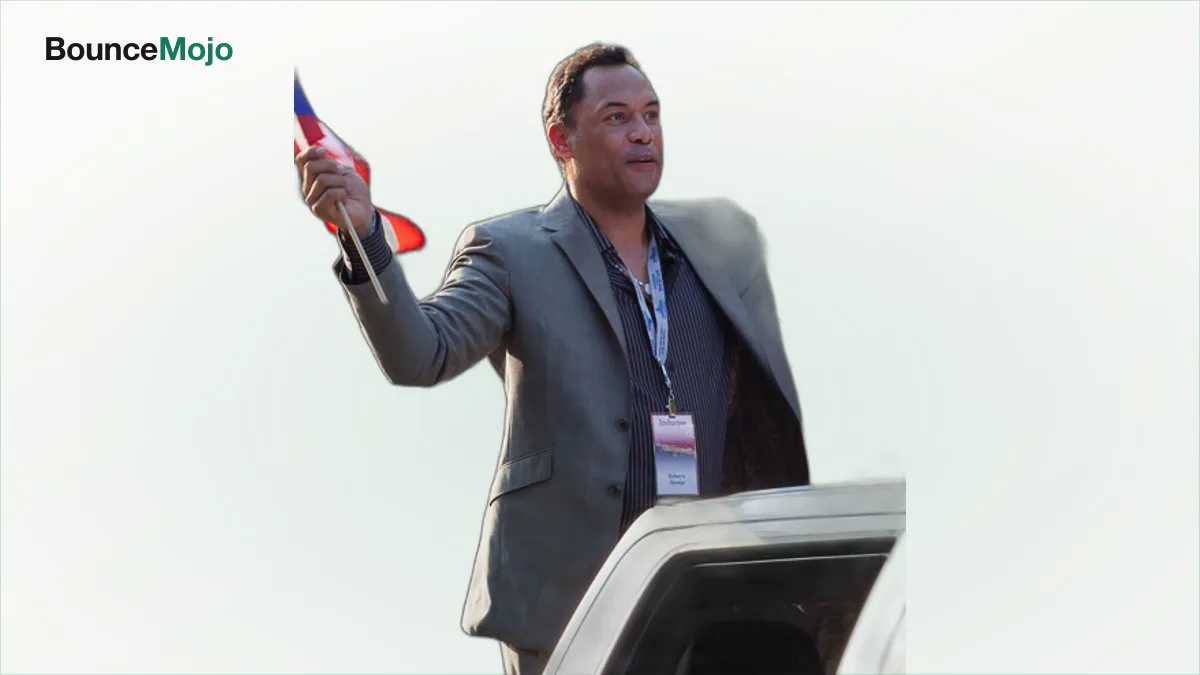
The turn, the glove, the throw from an impossible angle. That’s the Roberto Alomar most fans picture: the smoothest second baseman anyone had ever seen.
Here’s what most people miss: the same career built on grace was nearly undone by one ugly, human moment that had nothing to do with baseball.
The Myth vs. The Reality
The myth is that Roberto Alomar was born to play second base, a natural so gifted that greatness was inevitable.
The reality carries more weight than that.
Here’s the truth: Alomar grew up as the son of a big-leaguer, which meant expectation shadowed him from the start. And for all his brilliance, his career was marked by one very public failure that threatened to define him more than his 10 Gold Gloves ever could.
Now think about how rare it is for an athlete to be remembered for both the finest defense of a generation and a single moment of disgrace.
That tension is the real Alomar story. And it begins in Puerto Rico.
The World That Made Roberto Alomar
Roberto Alomar Velázquez was born on February 5, 1968, in Ponce, Puerto Rico. Baseball was not just around him. It was the family business.
His father, Sandy Alomar Sr., played 15 seasons in the majors. His older brother, Sandy Jr., would become an All-Star catcher. Young Roberto grew up in and around major-league stadiums, shagging balls and absorbing the rhythms of the professional game before most kids his age had picked a position.
This was Puerto Rico in the 1970s and 1980s, an island that had already produced Roberto Clemente and Orlando Cepeda and treated baseball as a source of national pride. For a boy born into a baseball family in that culture, the path was clear from the beginning.
But here’s the kicker: a famous last name opens doors, and it also sets a bar you can never stop clearing.
The Crucible: Early Life and the Climb
The environment that shaped him
Alomar was raised inside the sport. While other prospects learned the game on sandlots, he learned it in professional clubhouses, watching his father work and picking up the unwritten details of major-league life.
That upbringing gave him a head start in baseball IQ. It also came with pressure. Everyone knew whose son he was, and every strikeout invited comparison.
He signed with the San Diego Padres as a teenager and moved quickly through the minors. The talent was undeniable.
The catalyst
Alomar reached the major leagues in 1988 at just 20 years old.
Think about that. Barely out of his teens, he was already holding down second base in the big leagues, and within a couple of seasons he was an All-Star.
Here’s the deal: the real launch came in 1991, when San Diego traded him to the Toronto Blue Jays. In Toronto, Alomar became a star and the heartbeat of a championship contender.
Want to know what came next? A dynasty, and the plays that made him a legend.
The Key Players
You cannot tell the Alomar story without a few names.
His father, Sandy Alomar Sr., is the first. He was the model, the coach, and the standard, a former big-leaguer who passed down both the skills and the discipline of the professional game.
His brother, Sandy Alomar Jr., is the second. The two rose through baseball together, occasionally as teammates, always as each other’s measuring stick and support.
Joe Carter and the Blue Jays core are the third thread. Alongside Carter, whose walk-off homer won the 1993 World Series, Alomar helped build a Toronto team that captured back-to-back championships and turned a city into a baseball town.
Here’s the truth: at the peak of all that success, Alomar was about to make the mistake that would test his entire legacy.
The Turning Point
The pinnacle
Start with the greatness, because it was breathtaking.
Alomar was a 12-time All-Star, a 10-time Gold Glove winner, and a switch-hitter who could beat you with his bat or his glove. His defense at second base drew comparisons to no one because there was no one quite like him. He won two World Series titles with Toronto, in 1992 and 1993, and later starred for the Orioles and Indians.
By any measure, he was the best all-around second baseman of his time.
The price
Now the cost, which was steep.
In 1996, during a heated argument with umpire John Hirschbeck, Alomar spat in the umpire’s face. It was an ugly, indefensible moment, broadcast to a national audience, and it followed him for years. The incident delayed his Hall of Fame induction and, for a time, threatened to overshadow everything he had accomplished on the field.
You might be wondering how a player recovers from a moment like that. The answer is what gives the story its final shape.
The Unvarnished Truth
Let’s not pretend it was all highlight reels.
The Hirschbeck incident was a genuine failure of character in the heat of the moment, and Alomar has never fully escaped it. It remains the first thing some fans mention.
There was more too. In later years, Alomar faced personal and legal controversies away from the game that complicated his post-career reputation and led Major League Baseball to sever certain formal ties with him.
Here’s the truth: Alomar was a flawed human being who happened to be a genius with a glove. Pretending otherwise would flatten a complicated story into a highlight package. The greatness and the failures are both real, and both belong in the record.
Even so, the way he handled the Hirschbeck aftermath showed something worth remembering.
Controversies and Criticisms
The Hirschbeck moment is the biggest, and it deserves its weight. Spitting on an umpire is inexcusable, and Alomar owned that over time.
What redeemed it, at least in part, was reconciliation. In the years that followed, Alomar and Hirschbeck made peace publicly, a genuine repair of a very public wound. It became one of baseball’s more human stories of accountability.
The later controversies away from the field are more difficult and less resolved, and they have shadowed his standing within the sport in recent years. It would be dishonest to wave them away.
Here’s the thing though: none of it erases what he did between the lines. The two truths coexist.
What We Can Learn From Roberto Alomar
Navigating the darkness
When you fail publicly, you can hide from it or face it.
Alomar’s spitting incident could have been the last word on his legacy. Instead, he eventually confronted it, reconciled with the man he wronged, and let his on-field greatness speak over time. The lesson is not that mistakes don’t matter. It’s that accountability, however delayed, can reshape how a failure is remembered.
The success blueprint
Now the part that built the career and the fortune.
Alomar became the best in the world at a specific, premium skill: defense at second base. That mastery kept him employed and well paid for 17 seasons, and it is why he ranks among the richest baseball players of his era. The money breakdown lives in our Roberto Alomar net worth analysis, and you can see where he lands among the richest athletes overall. The blueprint is simple and hard: pick one thing, and be undeniably the best at it.
Becoming better
The deepest lesson is about complexity. Alomar was neither saint nor villain, and his life resists a clean verdict. That is the human condition writ large, brilliance and failure in the same person, and there is honesty in holding both.
So what’s the final word on baseball’s greatest glove?
Final Verdict
Roberto Alomar is one of the finest defensive players baseball has ever produced, and one of its more complicated figures.
On the field, he was a 12-time All-Star, a 10-time Gold Glove winner, a two-time champion, and a Hall of Famer. Off it, his story includes a notorious low moment, a meaningful reconciliation, and later controversies that remain unsettled.
Here’s the bottom line: the glove was real, and so were the flaws. Alomar’s story is a reminder that greatness and imperfection can live in the same career, and that the truest biographies refuse to choose between them.
Anyone who remembers only the spitting incident, or only the Gold Gloves, has missed half the man.
Shop Roberto Alomar on Amazon
Books, audiobooks, merch and more, handpicked for fans.
As an Amazon Associate we earn from qualifying purchases.
Frequently Asked Questions
Where did Roberto Alomar grow up?+
Alomar was born on February 5, 1968, in Ponce, Puerto Rico, into a baseball family, and grew up around major-league clubhouses because of his father's career.
What is Roberto Alomar best known for?+
Alomar is remembered as one of the greatest defensive second basemen ever, a switch-hitter who won 10 Gold Gloves and made 12 consecutive All-Star teams.
What was the John Hirschbeck incident?+
In 1996 Alomar spat on umpire John Hirschbeck during an argument, a low point that damaged his reputation before the two later reconciled publicly.
Did Roberto Alomar win a World Series?+
Yes. Alomar won back-to-back World Series titles with the Toronto Blue Jays in 1992 and 1993, the heart of his prime years.
Is Roberto Alomar in the Hall of Fame?+
Alomar was inducted into the Baseball Hall of Fame in 2011, the first player to go in primarily as a Toronto Blue Jay.
Want the money side of the story?
Read Roberto Alomar's Full Net Worth Breakdown →Shop Roberto Alomar on Amazon
Books, audiobooks, merch and more, handpicked for fans.
As an Amazon Associate we earn from qualifying purchases.