Nelson Piquet Biography: The Cunning Story of Brazil's F1 Champion
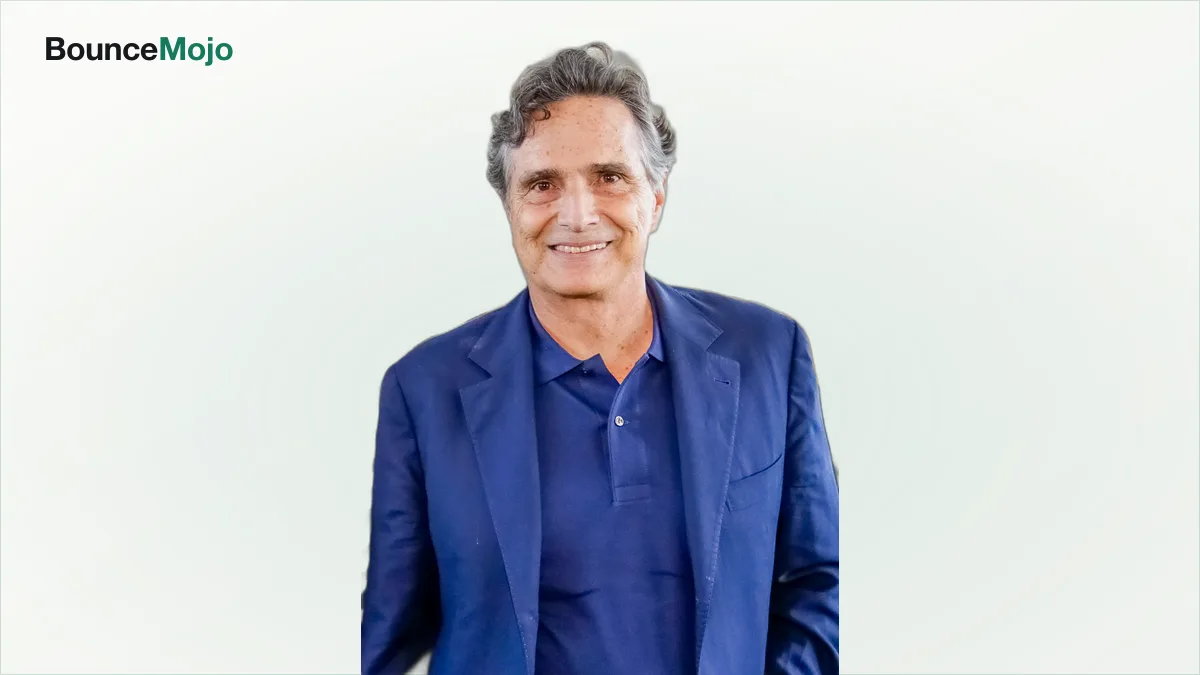
The name on three Formula 1 world championship trophies started life as a cover story.
The Name Was a Disguise
He was born Nelson Piquet Souto Maior on August 17, 1952, into a prominent Brazilian family. His father was a government health minister and the expectation was set: Nelson would become a professional tennis player, a respectable path the family could support and be proud of.
Brazil was falling in love with motor racing at the time, a country that would soon produce a string of world champions. But racing was seen as dangerous and disreputable by many well-to-do families, exactly the sort of career a health minister did not want for his son.
Piquet wanted speed, not a tennis racket. So he raced karts in secret, and to keep his father from finding out he competed under a variation of his mother’s maiden name: Piquet. The deception that hid his early career became the name that defined an era.
He proved quick in karts almost immediately, then moved up through the Brazilian categories while managing a family that wanted him doing something else entirely. Succeeding against expectations that early hardened a self-reliant, strategic mindset. With his family unconvinced, he had to back himself and learn to operate shrewdly, and both traits would outlast the racing.
British Formula Three to Brabham
The route out of Brazil was the classic one. Piquet moved to Formula Three in Britain in the late 1970s and dominated, and crushing form there made the Formula 1 paddock take notice. He debuted in Formula 1 in 1978.
He soon landed at Brabham, the team run by Bernie Ecclestone, the man who would go on to shape the entire commercial future of the sport. It was a good fit for a strategic mind, and Ecclestone gave him machinery capable of fighting for championships. Ecclestone was a shrewd operator whose influence on the sport, and on Piquet, was immense.
Piquet won his first World Championship in 1981 with Brabham, taking the title in a tense, tight finish. He added a second in 1983, becoming a double champion and one of the leading drivers of his generation. He won them on strategy and consistency as much as raw speed, understanding tire wear and title math better than almost anyone.
For a man who was supposed to be playing tennis, it was already an extraordinary vindication.
1987: A Third Title Beside a Teammate He Loathed
The crowning achievement came at Williams. In 1987, Piquet won his third World Championship, a triumph built on relentless consistency and strategic racecraft even amid a brutal rivalry with his own teammate. Three titles placed him among an elite handful of drivers in the sport’s history, in perhaps its most competitive period, measured against Alain Prost, Ayrton Senna and Niki Lauda.
The teammate was Nigel Mansell, and the rivalry was one of the most poisonous in Formula 1 history. The two clashed on and off the track, a feud that raged through the mid-1980s, pushed both men to extremes, and soured Piquet’s relationship with the team.
He suffered a serious crash in practice for the 1987 Imola Grand Prix. He later moved to Lotus and then Benetton, but truly competitive machinery grew harder to come by as the decade closed, and after a difficult stretch he retired from Formula 1 in 1991. The price of his sharp tongue and hard-nosed approach was that his later F1 years lacked the dominance of his peak.
He left racing not to fade, but to build.
What Is on the Record
An honest account of Piquet has to name real flaws, not soften them.
He made a number of offensive public statements over the years that were widely and rightly condemned, drawing criticism from across the sport and beyond. These are a genuine part of his public record, not a footnote.
His feuds, especially with Mansell, could turn personal and bitter, producing ugly moments and personal attacks that defined an era of Williams infighting. His mind games with rivals were a deliberate, at times ruthless, part of his approach, and his willingness to play them made him as many enemies as admirers. Those close to the sport describe a competitor who used every psychological weapon available, on rivals and teammates alike, and a man who was brilliant, funny and magnetic but who could also be abrasive and combative.
His greatest strength and his greatest flaw were the same trait. The sharp, calculating, uncompromising mind that made him a three-time champion and a successful businessman also made him a difficult, sometimes controversial figure. The edge cut both ways.
How the legacy should be weighed is genuinely debated, balancing an undeniably great racing and business career against the controversies attached to his name. Different observers land in different places, and an honest biography leaves room for that rather than papering over it.
Autotrac, Property, and the Second Career He Planned For
When his competitive F1 career wound down, Piquet did not cling to the sport or drift. He pointed the strategic mind that won three titles at business instead, building companies and property in Brazil while many peers watched their fortunes shrink. He also ran the family’s Piquet GP racing team, supporting the career of his son Nelson Piquet Jr., who followed him into Formula 1.
The skill set transferred cleanly. He built the Autotrac satellite-tracking business and a substantial real estate portfolio, in a country and market he understood deeply. The full net worth breakdown shows how three titles and decades of Brazilian business became a fortune estimated at $250 million, and the richest race car drivers list puts it in context.
That is the through-line. The smartest competitors do not just win the race in front of them; they set themselves up to keep winning long after it is over. He treated retirement as a second career to be won and prepared for it with the same calculation he brought to a championship fight.
Most people will file him under “three-time champion,” a great of the 1980s alongside Prost, Senna and Mansell. A fuller account remembers a secret karter who defied his family, a strategist who out-thought the best in the world, a businessman who built lasting wealth, and a man whose public comments and feuds drew serious and deserved criticism. The titles made him a champion and the cunning made him rich, but neither erases the controversies that are part of his record. A life can hold real greatness and real controversy at once, and an honest telling has to keep both in view.
Shop Nelson Piquet on Amazon
Books, audiobooks, merch and more, handpicked for fans.
As an Amazon Associate we earn from qualifying purchases.
Frequently Asked Questions
Why did Nelson Piquet change his name?+
He raced under a slightly altered version of his mother's maiden name, 'Piquet', partly to hide his early karting and racing exploits from his father, a government health minister who wanted him to pursue tennis instead. He grew up in Rio de Janeiro and Brasília, Brazil.
How many F1 championships did Nelson Piquet win?+
Piquet won three Formula 1 World Championships, in 1981 and 1983 with Brabham and in 1987 with Williams, ranking him among the sport's most successful drivers.
Who was Nelson Piquet's biggest rival?+
Piquet had a famously bitter rivalry with his Williams teammate Nigel Mansell, as well as fierce battles with Alain Prost, Ayrton Senna and other greats of the 1980s.
What did Nelson Piquet do after Formula 1?+
After retiring in 1991, Piquet became a successful businessman in Brazil, building his Autotrac satellite-tracking company and extensive real estate holdings, and running the Piquet GP racing team.
Want the money side of the story?
Read Nelson Piquet's Full Net Worth Breakdown →Shop Nelson Piquet on Amazon
Books, audiobooks, merch and more, handpicked for fans.
As an Amazon Associate we earn from qualifying purchases.