Max Holloway Biography: The Waianae Kid Who Became 'Blessed'
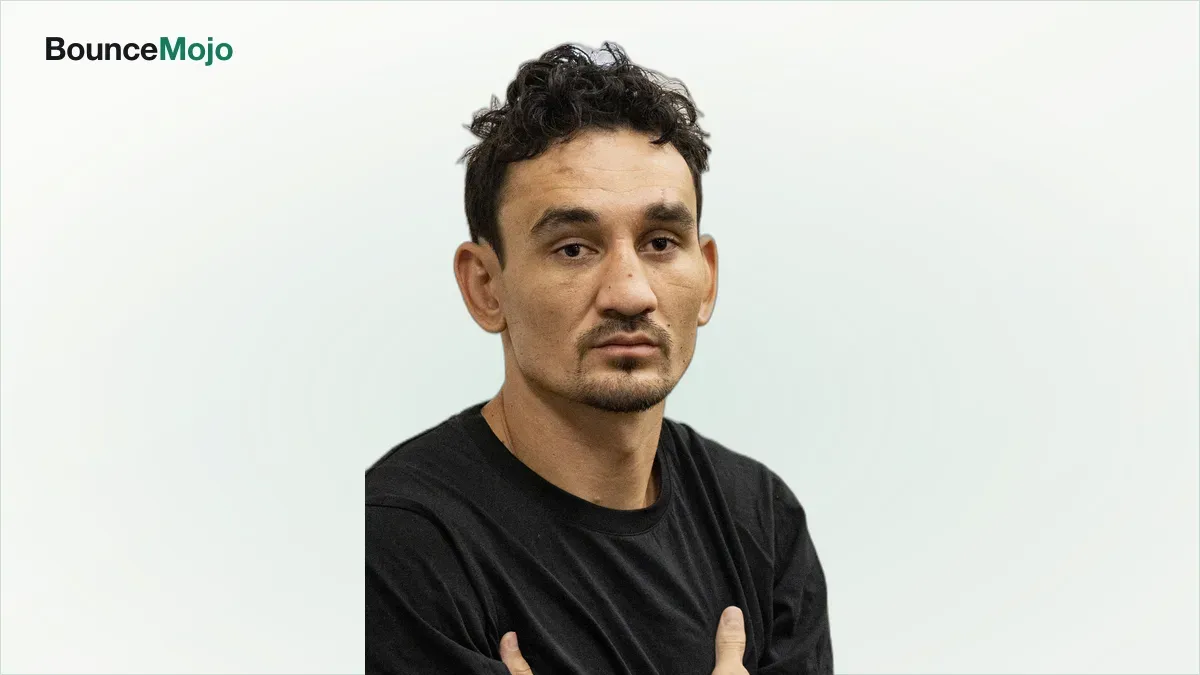
Most people know Max Holloway as the smiling Hawaiian who never stops throwing punches. The smile hides a much harder story.
Here’s what most people miss: the kid nicknamed “Blessed” came up in one of the roughest towns in Hawaii, and he chose fighting as a way out before he was old enough to vote.
The Myth vs. The Reality
The myth is easy to love. Max Holloway: the endlessly cheerful Hawaiian, all aloha spirit and highlight-reel combinations, a fighter who seems to enjoy every second in the cage.
The reality has more grit underneath it.
Here’s the deal: that smile was earned in a place that didn’t hand out many happy endings. Waianae, on the west side of Oahu, is beautiful and unforgiving, a community with real poverty and real danger. Max didn’t drift into fighting for fun. He grabbed it as a lifeline, a way to build a future when the odds were stacked against island kids like him.
The “Blessed” nickname isn’t marketing. It’s a worldview, a young man’s genuine gratitude for a path out that most of his peers never found.
You might be wondering: how does a teenager from a hard Hawaiian town end up in the UFC at 20? To understand that, you have to understand the world he came from.
The World That Made Max Holloway
Max was born in 1991 and raised in Waianae, a town most tourists never see.
Hawaii sells itself as paradise, and for visitors it is. But the west side of Oahu tells a different story, higher poverty, fewer opportunities, and the everyday pressures of a place where a wrong turn can define a young life. This is the Hawaii that raised Max, not the postcard version, the real one.
Now: Hawaii also has a deep fighting culture. The islands have produced tough, respected combat athletes, and local gyms are woven into the community. For a kid with talent and grit, martial arts offered something rare, a structured way to channel energy, earn respect, and dream of a bigger stage.
That mix, hardship and a proud fighting tradition, is the backdrop for everything Max became. He wasn’t chasing fame first. He was chasing a way out, and the way out happened to be a cage.
There’s something else worth remembering about Hawaii. The islands sit thousands of miles from the mainland gyms and big fight promotions, which means local talent has to work twice as hard to be noticed. A kid from Waianae doesn’t stumble into the UFC by accident. He has to be good enough that the sport comes looking for him across an ocean. Max was, and that distance from the spotlight shaped a fighter who never took a single opportunity for granted.
But before the UFC lights, there was a teenager finding his path in island gyms.
The Crucible: Early Life and the Climb
The Environment That Shaped Him
Max grew up in a working-class world where nothing was guaranteed.
Money was tight. The neighborhood was tough. Like a lot of island kids, he needed something to hold onto, and martial arts became that anchor. He trained hard, fought locally, and quickly showed the kind of natural volume and toughness that separates real prospects from weekend hobbyists.
Here’s the truth: the discipline of the gym gave Max structure that the streets could not. Fighting taught him focus, and focus gave him a future. He turned pro young and started stacking wins on the local scene, catching the eye of scouts who saw a raw, relentless talent worth a gamble.
That gamble came fast, and it came at the highest level.
The Catalyst
The catalyst was a phone call almost no 20-year-old is ready for.
The UFC signed Max in 2012, when he was barely out of his teens. Most fighters spend years grinding on regional circuits before they get that shot. Max got it early, which meant he would do his growing up in public, on the sport’s biggest stage, against grown men who had been fighting far longer.
It gets better, and harder. His early UFC run included brutal lessons, including a decision loss to a rising Irishman named Conor McGregor in 2013. That could have ended the story. Instead, it started it, because Max was about to prove that early setbacks are just tuition.
The Key Players
No fighter rises alone, and Max’s story is shaped by the people around him.
His family and Hawaii. Max carries his home with him. The support of his family and his island community is the emotional core of his career, and every walk to the cage is, in a sense, on behalf of Waianae.
Conor McGregor. The Irishman who beat a young Max became an unlikely part of his legend. That early loss to a future superstar is a badge, not a scar, proof that Max was thrown into deep water early and learned to swim.
Alexander Volkanovski. His great rival at featherweight pushed him to his absolute limit across multiple fights. Rivalries make champions, and this one defined an era of the division.
The fans. Max’s relationship with the crowd is its own key player. He fights for them, talks to them, and feeds off them. That bond is a huge part of why he became a beloved main-event draw.
Think about it: an early loss, a fierce rival, and a devoted community all pushed Max toward the same thing, a career built on heart. That heart carried him to the top.
The Turning Point
The Pinnacle
Max’s rise from raw prospect to champion is his mountaintop.
He climbed the featherweight ladder with a relentless, high-volume style, eventually capturing the UFC featherweight title and defending it against elite competition. Along the way he set records for significant strikes, a stat that captures exactly who he is, a fighter who simply throws more, and lands more, than almost anyone in history.
Then came the signature moment: a memorable finish to claim the special “BMF” title, one of the most celebrated highlights in modern UFC history. That night turned a respected champion into a genuine icon. As his own net worth story explains, those marquee moments are exactly what lifted his profile and his pay.
The Price
Here’s the kicker: his greatest strength carries a cost.
Max’s volume style means he takes punishment. He fights forward, absorbs shots to land his own, and rarely takes an easy night. That approach thrills fans, but it is hard on the body, and it means every win is earned the difficult way.
There is also the weight of representation. Carrying an entire community’s hopes is heavy. Every loss stings not just for Max but for a whole island that sees itself in him. The pinnacle brought fame and belonging, and it brought pressure most fighters never feel. Which brings us to the human side.
The Unvarnished Truth
Max is admired for good reason, but no career at the top is spotless.
He has suffered painful defeats, including title fights that did not go his way against elite rivals. For a fighter who wears his heart on his sleeve, those losses are public and raw. He has had to rebuild, adjust, and prove himself again more than once.
Now: the volume style that makes him beloved also makes him vulnerable. Fighting forward against the world’s best means eating clean shots, and there have been moments where his durability was tested to the extreme. His willingness to trade is thrilling, and it is risky.
None of this diminishes him. It makes him relatable. Max is not an untouchable machine. He is a fighter who bleeds, loses, and comes back, which is exactly why fans connect with him. Which brings us to the criticisms.
Controversies and Criticisms
Max’s career is cleaner than most, but it carries real debate.
The rivalry results. His epic series against his featherweight rival didn’t always end in his favor, and some fans still argue about the scoring and the outcomes. Those close, contested nights define part of his legacy.
The volume-over-defense question. Critics have argued that Max’s relentless, forward pressure leaves him hittable, and that a more defensive approach might have added more titles. Supporters counter that his style is the whole reason fans love him.
The lack of a business empire. Compared to fighters who built brands and fortunes outside the cage, Max has focused almost entirely on competing. Some see that as admirable purity; others see missed opportunity. Either way, it shapes his standing among the wealthiest names.
Staying too long questions. As with any long-tenured fighter, observers debate how many hard, high-volume fights a body can absorb, and when a beloved warrior should step back. It is the eternal argument around fan-favorite brawlers.
What We Can Learn From Max Holloway
Navigating Hard Times
The first lesson is about origins: where you start does not decide where you finish. Max came from a hard town with long odds and turned discipline into a way out. He didn’t wait for perfect conditions. He used the one tool available and mastered it.
But here’s the truth his early loss makes plain: a setback at the start is not a verdict. Getting beaten by a future superstar at 21 could have ended Max’s belief. Instead he treated it as tuition, and the willingness to learn from failure is what separated him from prospects who faded.
The Success Blueprint
If you want the replicable part, it’s this: Max wins by out-working everyone. His entire identity is volume, showing up, throwing more, refusing to coast. That relentlessness is a choice available to anyone in any field.
That’s transferable. The lesson isn’t “throw more punches.” It’s “outlast the competition by simply doing more of the work, more consistently, than they will.” Max’s placement among the draws on our richest MMA fighters ranking tells the financial half; his influence as a beloved champion, standing alongside stars like Jon Jones, tells the other.
Becoming Better
The deepest lesson is in the nickname. Max plays the game with gratitude, “Blessed,” treating a hard road as a gift rather than a grievance. That attitude is why fans adore him and why he has stayed grounded through fame.
In other words, how you carry success matters as much as the success itself. Max never forgot Waianae, never lost the smile, and never stopped fighting for something bigger than a paycheck.
There’s a quiet power in that. Plenty of fighters get to the top and let fame change them, chasing controversy or coasting on reputation. Max did the opposite. He stayed grounded, stayed hungry, and kept representing a community that rarely sees one of its own reach the biggest stage. That loyalty to where he came from is what turned a talented fighter into a genuinely beloved one, which is the most human twist in his whole story.
Final Verdict
Max Holloway is one of the most beloved and accomplished fighters of his generation, and “beloved” is doing as much work here as “accomplished,” though he is plenty of both. He didn’t just win a title. He showed a whole community, and a whole sport, what relentless heart looks like under pressure.
And here’s the twist that reframes everything: the fighter who throws more punches than almost anyone in UFC history is powered less by anger than by gratitude. He fights forward because he is thankful to be there at all, a kid from a hard town who never stopped saying “blessed.” The full financial picture lives in his net worth breakdown, and it tells a fitting ending: a champion who earned every dollar and every cheer the honest way, one relentless round at a time.
Shop Max Holloway on Amazon
Books, audiobooks, merch and more, handpicked for fans.
As an Amazon Associate we earn from qualifying purchases.
Frequently Asked Questions
Where did Max Holloway grow up?+
Max Holloway grew up in Waianae, Hawaii, a working-class town on Oahu's west side known for its tough conditions. He found martial arts as a teenager and used it as a path forward.
How old was Max Holloway when he joined the UFC?+
Max joined the UFC at just 20 years old, one of the younger fighters on the roster at the time, and grew up in front of the fans during his long run in the promotion.
What is Max Holloway's nickname?+
Max Holloway's nickname is 'Blessed', reflecting his gratitude and faith, and it has become part of his crowd-pleasing, positive public persona.
Did Max Holloway lose to Conor McGregor?+
Yes. Early in both careers, a young Max Holloway lost a decision to Conor McGregor in 2013. Max was still a raw prospect, and he went on to become a champion in his own right.
What makes Max Holloway special as a fighter?+
Max is famous for his relentless volume and durability, setting significant-strike records and rarely being finished, along with a fan-friendly style and a beloved personality.
Want the money side of the story?
Read Max Holloway's Full Net Worth Breakdown →Shop Max Holloway on Amazon
Books, audiobooks, merch and more, handpicked for fans.
As an Amazon Associate we earn from qualifying purchases.