Mauricio Rua Biography: The Chute Boxe Killer They Called Shogun
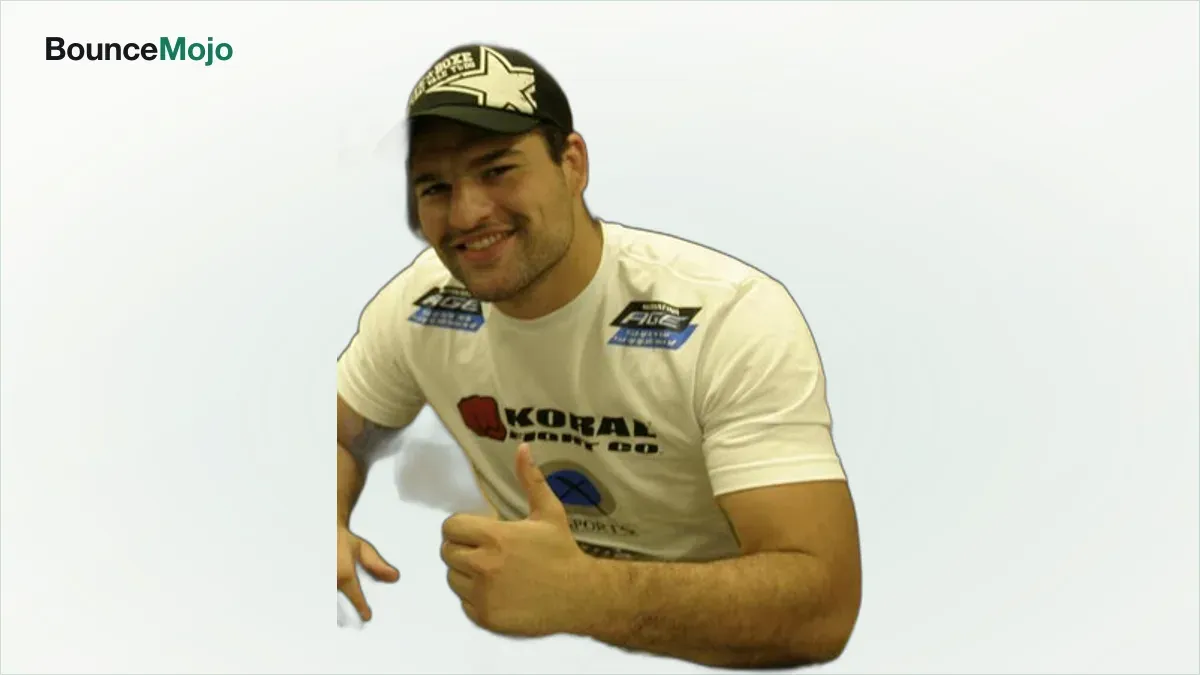
Most fans remember Mauricio “Shogun” Rua for one thing: the highlight-reel violence. The soccer kicks, the stomps, the relentless forward pressure of a young man who fought like the cage was on fire.
Here’s what most people miss: the same brutal style that made him a legend is the exact thing that shortened his prime and haunted the back half of his career.
The Myth vs. The Reality
The myth is simple. Shogun Rua: the ferocious Brazilian phenom, the PRIDE monster who steamrolled everyone, a knockout artist who won a UFC belt and rode into the sunset.
The reality has more scar tissue.
Here’s the deal: Rua was a genuine two-era great, elite in Japan and elite in America, which almost no one manages. But the second half of his career was a long, public negotiation with a body that had already given its best. Knee surgeries. Grinding decision losses. Fights where the old speed simply wasn’t there anymore.
That gap between the highlight reel and the grind is the real Shogun story. He wasn’t a flash in the pan and he wasn’t a tragic burnout. He was a fighter who burned white-hot early, then spent a decade proving he could still compete on will alone.
You might be wondering: how does a kid from Curitiba end up terrifying the best fighters on two continents? To understand that, you have to understand the gym that built him.
The World That Made Mauricio Rua
Rua came up in a very specific moment in Brazilian fighting culture.
He was born in 1981 in Curitiba, a city that had become a hotbed for a new, aggressive breed of mixed martial artist. The dominant force there was Chute Boxe Academy, a camp with a fearsome reputation for producing fighters who pushed forward without pause and finished opponents violently. This wasn’t the point-scoring, cautious MMA that came later. This was Muay Thai clinches, soccer kicks, and stomps, all legal under the rules of the era.
Now: the global stage for that style was PRIDE Fighting Championships in Japan. PRIDE was theater. It was pageantry, fireworks, and freak-show violence for a Japanese audience that treated fighters like rock stars. It also paid extremely well during its boom years.
That collision, a Brazilian killer’s academy meeting Japan’s biggest fight promotion, is the backdrop for everything Shogun became. He was built by Chute Boxe and unleashed by PRIDE. The timing could not have been more perfect for a young man with his gifts.
But before the fireworks, there was a teenager grinding through one of the toughest gyms on earth.
The Crucible: Early Life and the Climb
The Environment That Shaped Him
Rua and his older brother Murilo both found their way to Chute Boxe, where the training was famously merciless. The academy’s philosophy was pressure, always pressure, and its sparring sessions were known to be nearly as hard as real fights.
Under mentors and teammates like Wanderlei Silva, the young Rua absorbed a style built on aggression and cardio. He learned to throw everything, knees, soccer kicks, ground strikes, in combinations that overwhelmed opponents before they could settle. By his early twenties, he was already too good for most of the competition in Brazil.
Chute Boxe in that era was less a gym than a crucible. The sparring was famously brutal, closer to real fights than controlled practice, and only the toughest survived it. Rua thrived there precisely because he had the physical gifts and the mental hardness to match the intensity. His older brother Murilo had helped open the door to the academy, and once inside, Rua became its most dangerous product. The style he forged, all forward pressure and relentless finishing, was tailor-made for the audiences waiting overseas.
Here’s the truth: that environment gave him everything and cost him plenty. The style that made him unstoppable at 23 was also the style that put miles on his joints faster than a more measured fighter would have.
The Catalyst
His break came when PRIDE brought him to Japan.
Rua debuted in the promotion in 2003 and quickly became a sensation. He fought with a reckless brilliance that the PRIDE crowd adored, and he racked up a string of finishes that put him on a collision course with the sport’s elite light heavyweights and middleweights.
It gets better. In 2005, PRIDE booked its Middleweight Grand Prix, an eight-man, single-night-style tournament stacked with killers. That tournament would either expose Shogun or crown him. What happened next made him a legend.
The Key Players
No fighter is forged alone, and Rua’s climb ran through a small cast of rivals and mentors who defined him.
Wanderlei Silva. The face of Chute Boxe and the older warrior whose shadow Rua trained in. Silva’s ferocity set the template, and Shogun became the next-generation version of that violence, arguably even more dangerous in his prime.
Murilo Rua. His older brother and fellow professional fighter, “Ninja,” who came up alongside him. The Rua name became synonymous with Curitiba’s fighting scene, and the brothers pushed each other from the start.
Quinton “Rampage” Jackson and Ricardo Arona. Two of the elite names he had to beat in the 2005 Grand Prix. Running through fighters of that caliber in a single event is what separated Shogun from every other talented prospect of his era.
Lyoto Machida. The Brazilian rival who would later hand him a controversial decision loss in the UFC, then get knocked cold in the rematch. Their two fights bookend the most important stretch of his American career.
Think about it: every one of these names is a measuring stick. Beat them, and you are a legend. Rua beat enough of them to earn the title. That’s what the Grand Prix delivered.
The Turning Point
The Pinnacle
The 2005 PRIDE Middleweight Grand Prix is Shogun’s mountaintop.
In the tournament’s run, he defeated a lineup that reads like a hall of fame: Quinton Jackson, Antonio Rogerio Nogueira, Alistair Overeem, and Ricardo Arona. To win a tournament against that field, in that era, cemented him as one of the most feared fighters on the planet. He was 23 years old and the best light heavyweight in the world according to many observers.
Years later came the second peak. After a rocky UFC start, Rua faced Lyoto Machida for the light heavyweight title in 2010. Their first fight had ended in a hugely controversial decision for Machida that many thought Rua had won. The rematch left no doubt: Shogun knocked Machida out cold to become UFC Light Heavyweight Champion. As his own net worth breakdown details, those title runs anchored the biggest earnings of his career.
The Price
Here’s the kicker: the peak came with a bill his body kept paying.
Rua’s aggressive style and years of hard sparring wrecked his knees. He underwent major surgeries that robbed him of a step. The explosive, first-round finisher of PRIDE gradually became a fighter who had to win on toughness and IQ, grinding through opponents he once would have flattened in minutes.
The Grand Prix and the UFC belt made him a legend and a wealthy man. They also marked the moment his physical prime began slipping away. Which brings us to the flaws in the fighter and the era around him.
The Unvarnished Truth
Rua was never a villain, but his career carried real human vulnerability.
The biggest was his body. He fought for years on damaged knees, cutting weight and taking punishment that would have retired most men. There is a stubbornness in that, a refusal to walk away, that fans admired and that also led to some hard, one-sided nights late in his run.
Now: none of that diminishes what he was. It humanizes him. Shogun kept answering the bell long after the highlight reels stopped, taking fights he could have declined, chasing the feeling of the old violence even when his body couldn’t deliver it. That is the story of many great fighters, and he lived it as publicly as anyone.
The most honest thing you can say about Rua is that his greatest strength and his greatest weakness were the same. All-out aggression made him a legend early and broke him down late.
Controversies and Criticisms
Shogun’s career sat right on the fault lines of a sport that was changing fast.
The soccer-kick era. Much of his early highlight reel involves techniques, soccer kicks and stomps, that are now illegal in the UFC and most modern promotions. Critics of that era argued the rules were too brutal. Fans of Rua see it differently: he fought under the rules he was given, and he mastered them.
The first Machida decision. His initial title bout with Lyoto Machida in 2009 produced one of the most disputed decisions of its time. Many observers, and much of the media, believed Rua clearly won. The judges disagreed. The rematch knockout was, in part, a public correction of that call.
The long decline. In the back half of his UFC run, critics questioned whether he should keep fighting as losses piled up. That debate follows nearly every legend who competes past their prime. Rua kept going on his own terms until 2023.
What We Can Learn From Mauricio Rua
Navigating Hard Times
The first lesson is about resilience through physical decline. Rua’s knees betrayed him young, yet he reinvented himself as a smarter, grittier fighter and stayed relevant for another decade. When your fastball is gone, you learn to pitch.
But here’s the truth the money makes plain: knowing when to build the next thing matters as much as knowing how to fight. Rua started his gym and coaching business while still active, so that when the final bell rang, he had somewhere to land.
The Success Blueprint
If you want the replicable part, it’s this: master one thing so completely that a single performance defines you forever. Rua’s 2005 Grand Prix run is still cited two decades later. That kind of undeniable peak becomes a permanent brand.
That’s transferable. The lesson isn’t “burn out fast.” It’s “when you get your one big shot, take it so decisively that no one ever forgets.” His placement among the sport’s earners on our richest MMA fighters ranking rests almost entirely on the reputation those few unforgettable nights created.
Becoming Better
The deepest lesson is about legacy over longevity of the highlight reel. Rua could have been remembered only for the decline. Instead, by staying rooted in Curitiba and building a teaching business, he turned himself from a fading fighter into an elder statesman of Brazilian MMA.
In other words, what you build off the mat can outlast what you did on it. That’s the quiet twist in his story.
Final Verdict
Mauricio “Shogun” Rua is one of the most important fighters of the PRIDE-to-UFC transition, a man who was elite in two eras and legendary in one unforgettable tournament. He didn’t have the crossover fame of the sport’s biggest names, and he didn’t cash a nine-figure business exit. What he had was pure, undeniable violence at his peak and the toughness to keep competing long after it faded.
And here’s the twist that reframes everything: the aggressive style that made his early career so spectacular is the same style that broke his body and shaped his long decline. The full financial picture of how he turned those wars into a lasting fortune lives in his net worth breakdown, and it’s the most human ending imaginable for a warrior. The killer from Chute Boxe walked away with his legend intact, his name still selling seminars, and a gym in Curitiba built to outlast him.
Shop Mauricio Rua on Amazon
Books, audiobooks, merch and more, handpicked for fans.
As an Amazon Associate we earn from qualifying purchases.
Frequently Asked Questions
Where is Mauricio Rua from?+
Mauricio 'Shogun' Rua was born on November 25, 1981, in Curitiba, Brazil, where he came up through the notorious Chute Boxe Academy alongside fighters like Wanderlei Silva.
How did Mauricio Rua get the nickname 'Shogun'?+
The nickname 'Shogun' was reportedly a play on 'Xurao,' a childhood nickname, later stylized as 'Shogun' for his fights in PRIDE in Japan, where the samurai-warrior branding fit his aggressive style.
What was Mauricio Rua's greatest fight?+
His signature achievement was the 2005 PRIDE Middleweight Grand Prix, where he beat Quinton Jackson, Antonio Rogerio Nogueira, Alistair Overeem, and Ricardo Arona to win the tournament in a single legendary run.
Did Mauricio Rua win a UFC title?+
Yes. Rua knocked out Lyoto Machida in their 2010 rematch to win the UFC Light Heavyweight Championship, avenging a controversial decision loss in their first meeting.
When did Mauricio Rua retire?+
Rua retired in January 2023 after his final fight at UFC 283 in Brazil, closing a professional career that ran more than two decades from 2002.
Want the money side of the story?
Read Mauricio Rua's Full Net Worth Breakdown →Shop Mauricio Rua on Amazon
Books, audiobooks, merch and more, handpicked for fans.
As an Amazon Associate we earn from qualifying purchases.