Mark Teixeira Biography: The Slugger Who Played the Long Game
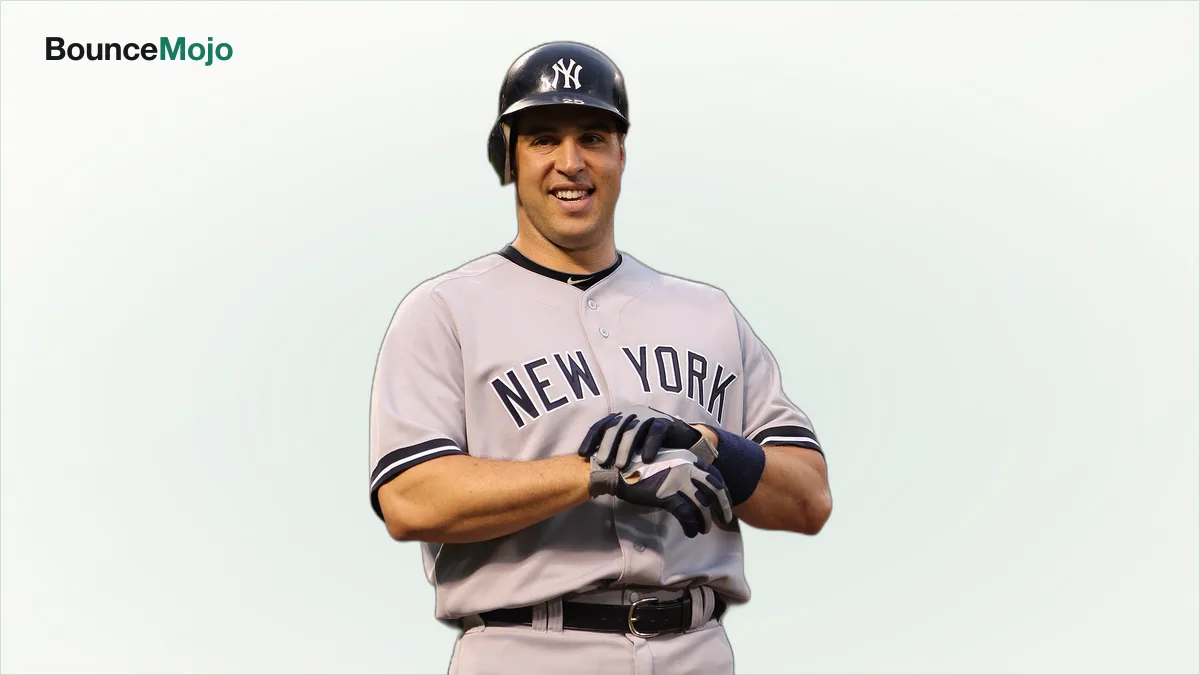
Most people know Mark Teixeira as a Gold Glove first baseman and a Yankees champion. What that leaves out is that his sharpest skill was never his swing.
Here’s what most people miss: the switch-hitter who feared no pitcher was quietly the most financially disciplined player in his clubhouse, and it set him up for a life most athletes never reach.
The Myth vs. The Reality
The myth is familiar. Mark Teixeira: big contract, big power, a reliable slugger who cashed a huge check and won a ring in New York. Solid career. Roll credits.
The reality is smarter than that.
Here’s the deal: Teixeira was one of the most cerebral players of his era, a switch-hitting, Gold Glove first baseman who thought about the game, and his money, differently than almost anyone around him. The “big contract slugger” label misses the discipline underneath.
And the “he got rich playing baseball” framing misses the real point. Plenty of players earned what Teixeira earned. Very few managed it the way he did, living well below his means and building a business empire while teammates burned through their fortunes.
You might be wondering: where does a mindset like that come from? To understand it, you have to understand the world that made him.
The World That Made Mark Teixeira
Teixeira was born in 1980 and raised in Severna Park, Maryland, a comfortable suburb near Annapolis.
He came up in a grounded, disciplined household as the son of John and Margy Teixeira. This was not a rags-to-riches story. It was a story of a kid taught early to think for himself, work hard, and value long-term security over short-term gratification. Those values would define both his career and his finances.
Now: Teixeira entered baseball at the dawn of the sport’s biggest-money era, when position players began signing contracts worth nine figures. He arrived just in time to earn like a modern star, but he carried an old-fashioned discipline that kept him from spending like one.
That collision, modern money meeting old-school prudence, is the backdrop for everything Teixeira became. He earned like his generation and saved like his grandparents’ generation.
But before the majors, there was a teenager willing to bet on himself against a Major League team.
The Crucible: Early Life and the Climb
The Environment That Shaped Him
Teixeira starred at Mount Saint Joseph High School in Baltimore, where he was a standout on a loaded team. He was a genuine blue-chip prospect, the kind of talent that draws Major League attention early.
That upbringing gave him a rare confidence for a teenager, the willingness to say no to a pro contract if the terms and the respect were not right. He knew his own value and was not afraid to act on it.
He was also a switch-hitter from a young age, a skill that would later make him one of the most productive two-sided bats in the history of the game.
Here’s the truth: the independence that defined his childhood was about to cost the Boston Red Sox a future star.
The Catalyst
In 1998, the Red Sox drafted Teixeira. He turned them down.
He chose Georgia Tech instead, later citing how the Red Sox handled his negotiation, and it proved to be a brilliant call. At Georgia Tech, he won the Dick Howser Trophy as the best college baseball player in the country in 2000, boosting his stock and his leverage. The Texas Rangers made him a top-five overall pick, and his professional career took off.
It gets better. That early lesson, know your worth and be willing to walk, would echo through his entire life, in contracts, in business, and in how he handled his money. That is where the climb truly began, but he did not build his career alone.
The Key Players
No champion rises alone, and Teixeira’s story includes people who shaped him.
His parents, John and Margy. They instilled the discipline and independence that defined both his career and his finances. Their influence runs through every decision he made.
Leah Teixeira. His wife and the anchor of his family life, a central reason he ultimately chose to retire and prioritize time at home.
The 2009 Yankees. Alongside teammates like Derek Jeter, CC Sabathia, and Mariano Rivera, Teixeira found the championship stage his career had been building toward. That team gave him his ring.
Joe Girardi. The Yankees manager who counted on Teixeira as the everyday first baseman and cleanup-caliber bat during the title run.
Think about it: every one of these relationships rewarded the same trait, steadiness. Teixeira was dependable at the plate, in the field, and with his money. That steadiness carried him to the top.
The Turning Point
The Pinnacle
Teixeira’s peak arrived in his first season in pinstripes.
In 2009, he led the American League in home runs and RBIs, finished second in MVP voting, and anchored the Yankees to their 27th World Series title. He was, that year, one of the best all-around first basemen in baseball, combining power from both sides of the plate with elite defense. His net worth story shows how that peak funded a fortune worth an estimated $80 million.
Across his career he made three All-Star teams and won five Gold Gloves and three Silver Sluggers.
The Price
Here’s the kicker: the body did not hold up the way the discipline did.
Teixeira’s later Yankees years were battered by injuries, wrist problems, knee issues, and the wear of a physical position. His production dipped, and the star who once contended for MVPs became a player fighting to stay on the field. In 2016, weighing his health and his family, he announced his retirement at just 36.
The pinnacle brought a ring and a fortune. The decline brought the wisdom to walk away with his health and his money intact. Which points to the quieter side of the story.
The Unvarnished Truth
Teixeira was never a scandal figure, but his story has honest complexity.
He was, by some accounts, an intense and demanding teammate, a perfectionist whose high standards could create friction. That same intensity made him great, but it was not always easy to be around. He held himself, and others, to exacting expectations.
Now: none of that makes him a villain. Teixeira’s edge was the flip side of his discipline. The man who saved aggressively and negotiated hard was also the man who demanded excellence in the clubhouse. You cannot separate the traits.
He has also been candid about the challenges of retirement, the loss of identity and routine that hits athletes hard, and the deliberate work it took to build a new purpose in real estate and broadcasting. He did not pretend the transition was easy.
The most honest thing anyone can say about Teixeira is this: his defining trait was foresight. He saw the end of his career, and his money, coming long before most players do, and he prepared.
Controversies and Criticisms
Teixeira’s career had little drama, but a few threads still stand out.
The Red Sox snub. His decision to spurn Boston in the 1998 draft drew criticism from some who saw it as a young player overplaying his hand. It turned out to be a shrewd move.
The injury-plagued Yankees years. As his production faded, some fans and analysts questioned whether his record contract was worth it, a common fate for expensive free agents whose bodies break down.
The perfectionist reputation. Teixeira’s intensity occasionally drew quiet criticism from those who found his standards demanding, though teammates respected his professionalism.
The financial-guru pivot. His public advocacy for athlete money management struck some as preachy, though most saw it as a genuine effort to help younger players avoid going broke.
What We Can Learn From Mark Teixeira
Navigating Hard Times
The first lesson is about foresight. Teixeira never assumed the money or the health would last forever. He planned for the end while he was still on top, which is exactly why his transition out of baseball was smoother than most.
But here’s the truth his career makes plain: preparation beats panic. The discipline Teixeira built early meant that when injuries forced him out, he had a plan, a business, and a protected fortune waiting.
The Success Blueprint
If you want the replicable part, it’s this: Teixeira knew his value and refused to shortchange it, from the draft to his contracts to his savings rate. He negotiated hard, spent little, and invested in things he understood.
That mindset put him among the wealthiest of his generation, near the top of our richest baseball players list and the broader field of richest athletes. The lesson isn’t “be cheap.” It’s “protect your earnings like they have to last a lifetime, because they do.”
Becoming Better
The deepest lesson is about building a second act. Teixeira did not let baseball be his only identity. He built Urban Creek Partners into a real estate operation, took on broadcasting, and became a voice for financial wisdom in sports.
In other words, plan your next chapter before the current one ends. Teixeira proved that a smart athlete can be even richer, and more purposeful, after the game than during it.
Final Verdict
Mark Teixeira is one of the best switch-hitting first basemen in baseball history, a Gold Glove champion and a key piece of a Yankees title. But his most impressive achievement may be the fortune and the second career he built with the discipline he carried his whole life.
And here’s the twist that reframes everything: the slugger everyone watched for his power was quietly winning a different game, one of savings, foresight, and financial control that most of his peers never learned to play. The full picture of the empire he built lives in his net worth breakdown, and it is proof that the smartest swing an athlete can take is with their money.
Teixeira never published a tell-all memoir, and that fits a private, disciplined man. His real lesson is not in a book. It is in a bank account that outlasted his career, and a business that gave him a purpose after the last home run.
Shop Mark Teixeira on Amazon
Books, audiobooks, merch and more, handpicked for fans.
As an Amazon Associate we earn from qualifying purchases.
Frequently Asked Questions
Where did Mark Teixeira grow up?+
Mark Teixeira grew up in Severna Park, Maryland, and attended Mount Saint Joseph High School in Baltimore, where he starred in baseball before heading to Georgia Tech.
Why didn't Mark Teixeira sign with the Red Sox?+
The Red Sox drafted Teixeira in 1998, but he chose Georgia Tech over signing, later citing how the Red Sox treated him during negotiations. He won the Dick Howser Trophy in college in 2000.
What made Mark Teixeira special as a hitter?+
Teixeira was one of the most productive switch-hitters in MLB history, holding the record for most games with a home run from both sides of the plate, and he won five Gold Gloves at first base.
Did Mark Teixeira win a World Series?+
Yes. Teixeira anchored the 2009 World Series champion New York Yankees, leading the American League in home runs and RBIs that year and finishing second in MVP voting.
What does Mark Teixeira do after baseball?+
Teixeira runs a real estate development firm, Urban Creek Partners, works as a baseball analyst for ESPN, and has become an advocate for athlete financial literacy.
Want the money side of the story?
Read Mark Teixeira's Full Net Worth Breakdown →Shop Mark Teixeira on Amazon
Books, audiobooks, merch and more, handpicked for fans.
As an Amazon Associate we earn from qualifying purchases.