Mao Asada Biography: The Ice Queen Who Won Everything But Gold
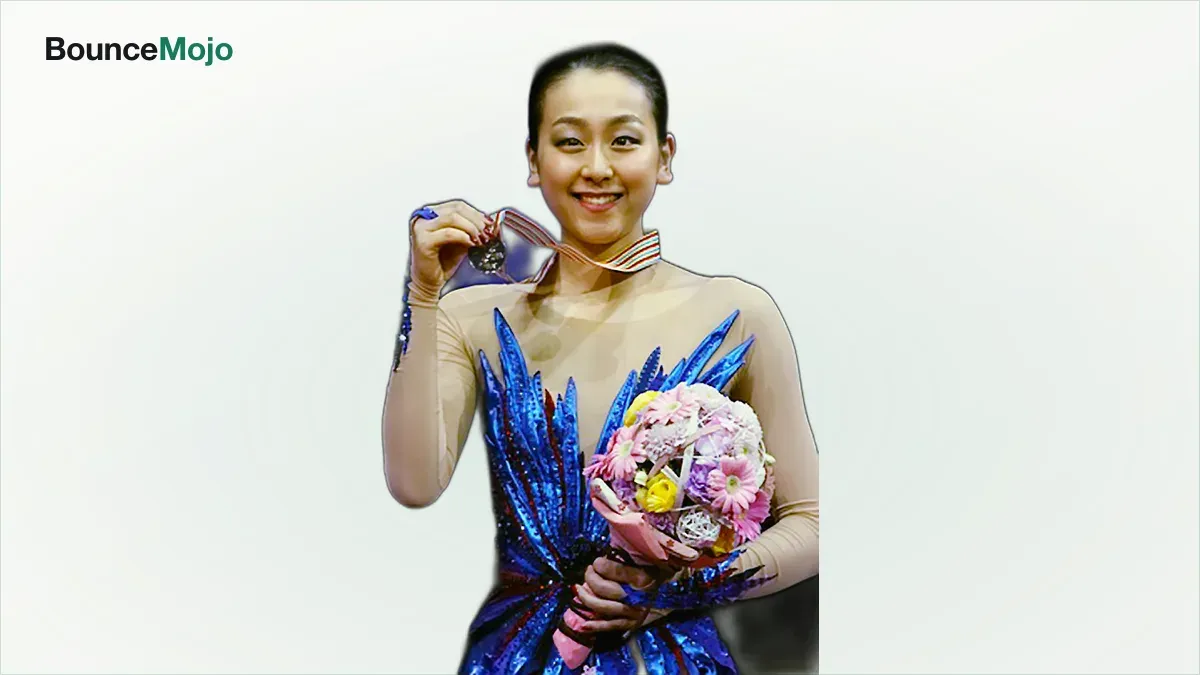
Everyone remembers the triple axel. Fewer remember that Mao Asada could have won more medals if she had simply refused to try it.
Here’s the heart of her story: she chased the hardest jump in the sport even when it cost her, because doing it the easy way was never the point.
The Myth vs. The Reality
The myth is simple: Mao Asada is the great skater who never won gold, the eternal silver medalist behind Yuna Kim.
The reality is richer. Mao was a three-time World champion who landed multiple triple axels in a single Olympic program, something almost no other woman has done. She was not the runner-up to greatness. She was greatness that chose the harder path.
Here’s the truth: her career is not a story of falling short. It’s a story of a skater who valued difficulty over safety, artistry over arithmetic, and paid for that choice in points while earning something the scoreboard could not measure.
You might be wondering: how does a country fall this hard for a skater who kept losing the biggest prize? The answer starts in Nagoya.
The World That Made Mao Asada
Mao grew up in a Japan that treats figure skating the way other nations treat football. The sport is broadcast in prime time, its stars are household names, and its champions carry the hopes of a country onto the ice.
Now: into that world arrived a wave of Japanese talent, and Mao stood at the front of it. Alongside skaters like Miki Ando and later Yuzuru Hanyu, she helped make Japan a skating superpower.
But her era had a second defining feature. Just across the sea, South Korea produced Yuna Kim, and the two neighboring nations poured decades of history and pride into every meeting between their two prodigies. Every time Mao and Yuna shared the ice, it was more than sport.
You have to understand the weight of that context. Japan and South Korea share a long and complicated history, and sporting contests between them have always carried a nationalistic charge. When Mao and Yuna competed, they were not just two skaters chasing a title. They became stand-ins for something much larger, and the media on both sides treated every result as a matter of national pride. For a teenager, that is an almost unimaginable burden to carry onto the ice.
It gets better: the two girls actually knew each other well before the world turned them into symbols. They first met at fourteen, and their mothers were friendly enough that the young rivals exchanged rice balls and kimchi. That human detail sits underneath the whole rivalry, two kids who liked each other, turned into opponents by forces far bigger than themselves. That relationship, and the pressure stacked on top of it, is where her real story begins.
The Crucible: Early Life and the Climb
The Environment That Shaped Her
Mao was born in Nagoya in 1990 and, like her older sister Mai, started in ballet before moving onto the ice. The dance training never left her. It shaped the flowing, expressive style that fans adored.
Here’s the deal: she was a prodigy almost immediately. As a junior she was already landing jumps that grown women could not, and Japan noticed fast. By her mid-teens she was a national figure, carrying expectations that would crush most kids.
The pressure was not abstract. In a skating-mad country, Mao’s programs were appointment television, and a nation’s mood could rise or fall on whether she landed her jumps.
The Catalyst
The defining choice of her career came early: she built her identity around the triple axel, the hardest jump in women’s skating and one only a handful of women have ever landed in competition.
Think about it: she could have played it safe. Simpler programs often scored higher under the judging system. Mao kept the axel anyway.
Why did she cling to it? Because for Mao, skating was never only about the score. The triple axel was a signature, a statement that she would attempt the hardest thing rather than settle for the safest points. It thrilled audiences and it defined her identity. It also, at times, betrayed her, wobbling or falling when a simpler jump would have banked clean marks. She kept trying it anyway, year after year.
That decision made her must-watch and set up the collision that would define everything: a showdown with Yuna Kim on the biggest stage in the world.
The Key Players
Her career cannot be told without three people.
Yuna Kim was the rival who pushed her to greatness. The two met as fourteen-year-olds, and their mothers knew each other well enough that the girls once traded rice balls and kimchi. Then the world turned their friendship into a proxy for national pride, and the rivalry hardened into one of the fiercest in sport.
Mai Asada, her older sister and fellow skater, was her first companion on the ice and a constant presence through the hardest years.
Her coaches, including the respected Nobuo Sato later in her career, helped her refine a style built on difficulty and grace rather than safe points.
You might be wondering: what happened when all that pressure met the Olympic spotlight? The answer came in Vancouver, and it was both her finest hour and her deepest wound.
The Turning Point
The Pinnacle
At the 2010 Vancouver Olympics, Mao did something historic. She landed multiple triple axels in her programs, a feat no woman had managed at an Olympics.
Now: by any normal measure, that should have been a coronation.
The Price
But Yuna Kim skated the performance of a lifetime, shattering world records and winning gold by the largest margin in the history of the event. Mao took silver.
Here’s the kicker: she had done the harder jumps and still finished second. The scoreboard rewarded Yuna’s near-perfect execution, and Mao was left with a medal that felt, to a nation, like heartbreak.
That night crystallized her career’s paradox. She chose difficulty, and difficulty did not always pay. What she did in response, refusing to abandon the axel, is what made her a legend rather than a footnote.
There is a later chapter that deepens the story. Years after they retired, Mao gave a candid interview in which she reflected on the rivalry with striking honesty. She acknowledged that Yuna’s presence pushed her, shaped her, and defined her career. The rivalry that a nation had treated as a war was, to the two women at the center of it, something more complicated and more human, a bond forged by growing up side by side under impossible expectations. That perspective, arriving with time and distance, says a great deal about the person behind the medals.
The Unvarnished Truth
The uncomfortable part of Mao’s story is that her greatest strength was also, competitively, a weakness.
Here’s the truth: the triple axel cost her points. A skater chasing pure results might have dropped it. Mao kept trying it long past the point where the math said she should stop, and at times it wobbled or fell and dented her scores.
She has spoken candidly about the toll. The relentless national expectation, the constant comparison to Yuna, the sense that silver was somehow failure, all of it weighed on a young woman who was, for years, carrying a country.
There was no scandal, no meltdown. Just the quiet, human cost of being a symbol before she was allowed to be a person.
There was personal loss threaded through it, too. Her mother, who had been part of her skating journey from the earliest days, passed away during her competitive years, a grief she carried while the whole country watched her perform. She kept skating. That is the part fans rarely think about: behind the flowing programs and the bright costumes was a young woman managing real sorrow in the most public way imaginable.
Controversies and Criticisms
Mao’s career avoided the ugly headlines that trail many stars. The debates around her were about skating, not scandal.
Critics argued she was stubborn, that clinging to the triple axel handed titles to rivals who skated cleaner, safer programs. Some judging-system purists said she left medals on the table.
But here’s the counterargument her fans make: without the axel, she would not have been Mao. The jump was not a miscalculation. It was a statement of values on the ice, and it is exactly why she is remembered while cleaner but blander skaters are forgotten.
You might be wondering: how did a skater who never won gold become one of the richest and most beloved in the sport? The answer is her second act.
What We Can Learn From Mao Asada
Navigating Hard Times
Mao’s response to Vancouver is the lesson. She did not quit, did not abandon her identity, and did not let a scoreboard redefine her worth. She kept skating her way.
Here’s the deal: she treated a loss as information, not a verdict. That resilience is why her career had a long, celebrated tail instead of an early collapse.
The Success Blueprint
Off the ice, Mao built something most athletes never manage: ownership. Rather than skate in other people’s tours as hired talent, she produced her own shows, opened her own rink, and launched her own brand.
That is the blueprint. Convert fame into assets you control. Her business fortune, detailed in her full net worth breakdown, came from owning the stage rather than renting it, the same logic that lifts the top names on our richest Olympians list.
Want to know the best part? She did it in a way that stayed true to who she is. The MAO RINK in Tokyo is not just a revenue stream, it is a training center for the next generation, a place where young skaters can chase the same dream she did. Her kimono line reflects her personal taste, not a corporate cash grab. Even in business, Mao chose the path that matched her values, building things she actually cared about rather than simply licensing her name to the highest bidder. That integrity is part of why her fans stayed loyal long after her final competition.
The philosophical takeaway is quieter. Mao proved that the value of a career is not only in what you win, but in how you carry yourself when you lose.
Final Verdict
Mao Asada is the rare athlete whose defeats made her larger than her victories.
She never won Olympic gold. She won three world titles, landed jumps most women wouldn’t attempt, and turned a nation’s affection into a durable business empire. Her rivalry with Yuna Kim gave figure skating one of its greatest chapters, and her refusal to play it safe gave the sport some of its most human moments.
Here’s the bottom line: the gold medal is the one thing she never got. Everything else, respect, love, a fortune, and a legacy, she earned on her own uncompromising terms. And that, in the end, is the better prize.
Years from now, when people talk about the great skaters of her era, they will not lead with the color of her Olympic medal. They will talk about the triple axels, the grace, the quiet dignity of a champion who lost the biggest prize and never once looked small doing it. Mao Asada gave figure skating some of its most human moments, and she built a life that honors them. That is a legacy no scoreboard can measure.
Shop Mao Asada on Amazon
Books, audiobooks, merch and more, handpicked for fans.
As an Amazon Associate we earn from qualifying purchases.
Frequently Asked Questions
Where did Mao Asada grow up?+
Mao Asada grew up in Nagoya, Japan, where she and her older sister Mai took up figure skating as children after starting in ballet.
Who was Mao Asada's biggest rival?+
Her career-long rival was South Korea's Yuna Kim. The two met as teenagers and their contests, especially at the 2010 Vancouver Olympics, became one of the fiercest rivalries in the sport.
Did Mao Asada win an Olympic medal?+
Yes. She won the silver medal at the 2010 Vancouver Olympics, landing multiple triple axels, and also became a three-time World champion.
Why is the triple axel so important to Mao Asada's story?+
The triple axel is one of the hardest jumps in women's skating. Mao built her identity around it, chasing the difficult jump even when a safer program might have scored higher.
What does Mao Asada do now?+
She produces her own ice shows, including the Mao Asada Ice Show and "Beyond," opened the MAO RINK facility in Tokyo, and runs a kimono brand.
Want the money side of the story?
Read Mao Asada's Full Net Worth Breakdown →Shop Mao Asada on Amazon
Books, audiobooks, merch and more, handpicked for fans.
As an Amazon Associate we earn from qualifying purchases.