Lita Biography: The Punk-Rock Rebel Who Rewrote Women's Wrestling
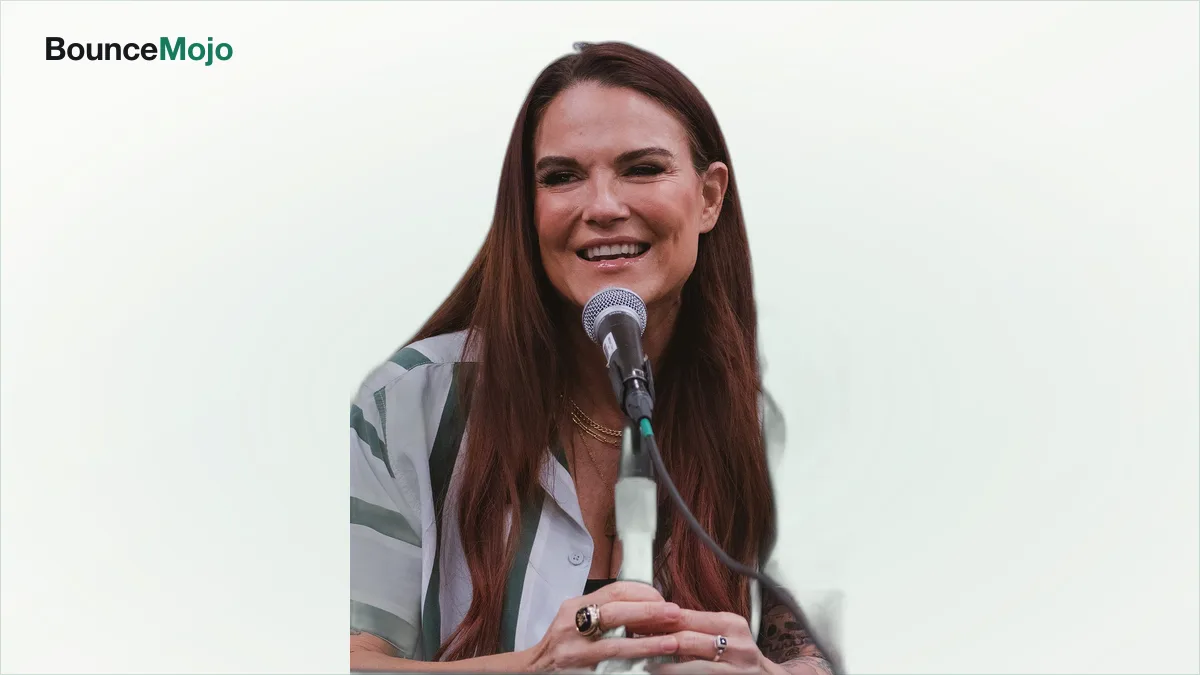
Most people remember Lita as the redheaded daredevil flipping off the top rope. That’s the highlight reel. The woman behind it is wilder still.
Here’s what most people miss: the wrestler who helped revolutionize women’s matches almost never became a wrestler at all, she was a restless free spirit who stumbled into the sport chasing a feeling, not a paycheck.
The Myth vs. The Reality
The myth is a poster of rebellion. Lita: the tattooed, high-flying punk who broke the mold for women in wrestling.
The reality earned every bit of that image.
Here’s the deal: Lita was not a manufactured character. She really was a wandering, unconventional spirit who hitchhiked, took odd jobs, and followed her curiosity wherever it led. When it led to lucha libre, she did not chase a modeling contract into WWE. She flew to Mexico and learned to take bumps in another language.
You might be wondering: how does a free-spirited drifter become a four-time champion and Hall of Famer? The answer is that her authenticity was the point. Fans could tell the rebel was real, and that realness is what made her revolutionary.
To understand that spirit, you have to understand where it came from.
The World That Made Lita
Amy Christine Dumas was born in Florida in 1975 and grew up moving around the American South.
Her childhood was unsettled, the family relocated often, and she developed a restless, independent streak early. She was not a groomed athlete or a wrestling legacy. She was a curious, adventurous young woman looking for something that felt real, and for a while that meant playing bass, following punk bands, and living an unstructured, wandering life.
Now: this was the mid-to-late 1990s, the dawn of the Attitude Era, when wrestling turned edgier, louder, and more rebellious than ever. The culture was shifting toward exactly the kind of raw authenticity Amy embodied.
That collision, a genuine free spirit meeting an industry hungry for edge, is the backdrop for everything. But first, one television moment lit the fuse.
The Crucible: Early Life and the Climb
The Environment That Shaped Her
Amy grew up independent, artistic, and allergic to convention.
She spent her early adulthood in the punk-rock world, playing music and taking whatever jobs kept her moving. There was no master plan, no wrestling academy, no family connection to the business. What she had was a fearless streak and a refusal to live a scripted life.
Here’s the truth: that lack of a safety net is exactly what made her leap possible. Someone with a conventional path to protect would never have done what she did next.
Because when Amy saw Rey Mysterio fly across her television screen on WCW, something clicked. This was it. She had to do that.
The Catalyst
The catalyst was a plane ticket to Mexico.
In 1998, with little more than obsession to guide her, Amy traveled to Mexico to learn lucha libre firsthand, training and performing under the name Angelica. She learned the high-flying, high-risk style that would define her, in a foreign country, from the ground up.
It gets better, and more improbable. She brought that daredevil style back to the United States, broke into ECW, and then WWE came calling. The drifter who chased a feeling was about to become a star, and to change her sport in the process.
The Key Players
No wrestler rises alone, and Lita’s story is shaped by the people around her.
The Hardy Boyz. Matt and Jeff Hardy welcomed her into Team Xtreme, the daredevil trio that became one of the most beloved acts of the Attitude Era. Their high-risk chemistry made all three stars. Her relationship with Matt Hardy also became one of wrestling’s most public and complicated stories.
Trish Stratus. Her greatest rival became her most important collaborator. Together, Lita and her fellow pioneer helped prove women’s matches could headline, a partnership central to both legacies, as her own net worth story reflects.
Essa Rios. Her early WWE alignment gave her a platform to show off the lucha style she had learned in Mexico, an important first step.
Rey Mysterio. Though not a personal mentor, the luchador she watched on television was the spark for the entire journey, the reason she flew to Mexico at all.
Think about it: a daredevil trio, a legendary rival, an early ally, and a distant inspiration all pushed toward the same result, a punk-rock drifter reinventing what a woman could do in the ring. That peak came at a steep price.
The Turning Point
The Pinnacle
Lita’s mountaintop was becoming a four-time WWE Women’s Champion and a genuine crossover star.
At the height of her fame, she and Trish Stratus main-evented an episode of WWE’s flagship show, the first women to do so in that spot, a landmark moment for the division. Her high-flying style, authentic edge, and massive popularity made her one of the faces of the Attitude Era and, later, a WWE Hall of Famer.
The Price
Here’s the kicker: her body and her personal life both paid dearly for that rise.
Lita suffered a serious neck injury that sidelined her and threatened her career, forcing a long, painful rehabilitation. The high-risk style that made her famous was also grinding her down. On top of that, a real-life relationship scandal played out publicly and brutally, turning fans against her for a time and adding emotional damage to the physical.
The pinnacle brought titles, main events, and a lasting legacy, and it brought injury and public heartbreak in equal measure. Which points to the human side.
The Unvarnished Truth
Lita is celebrated now, but her career was marked by real pain and real controversy, not a clean fairy tale.
The neck injury was genuinely career-threatening, and her comeback required grueling work. The public fallout from her personal life was harsh, and she was booed and vilified in ways few wrestlers endure. She has been candid about how difficult that stretch was.
Now: rather than hide, she leaned into being the villain fans wanted to hate, using the hostility as fuel before eventually walking away on her own terms in 2006. That resilience, absorbing both physical and public damage and continuing anyway, is central to who she is.
None of this dims her legacy. It humanizes it. Her story is not a spotless icon. It is a real, flawed, fearless person who kept going. Which brings us to the criticisms.
Consider how radical she looked at the time. Women in wrestling were expected to be polished, glamorous, and mostly decorative. Lita walked out in baggy pants and a visible thong, tattooed and unapologetic, and threw herself off the top rope like the men. She did not fit any template the industry had for a female performer, and that mismatch is exactly why she connected. A generation of fans, especially young women, saw someone who looked and acted like a real person rather than a poster, and they embraced her for it.
That authenticity had a cost few outsiders appreciate. Wrestling the way Lita wrestled, throwing her body at the same high-risk spots as the daredevil Hardys, meant she absorbed punishment most of her peers never risked. The moonsaults and hurricanranas that thrilled crowds were slowly wrecking her neck. She was, in a real sense, trading her long-term health for the very moments that made her a legend, a bargain many of the Attitude Era’s biggest names quietly made.
Controversies and Criticisms
Lita’s career includes genuine controversy alongside its triumphs.
The public scandal. The most talked-about chapter is the real-life relationship saga that spilled into her storylines, drawing intense fan backlash. It is impossible to tell her story without it, and she has faced it honestly.
The risk of her style. Critics argued her high-flying approach was reckless and directly contributed to her serious injuries. Supporters counter that the same fearlessness is exactly what made her revolutionary.
In-ring polish debates. Some purists argued her matches could be rough around the edges. Her defenders note that her impact, energy, and trailblazing role mattered far more than technical perfection.
Walking away early. As with many greats, some felt she retired from full-time wrestling too soon in 2006. Lita’s answer was to chase music and other passions rather than cling to a spot her body was warning her to leave.
What We Can Learn From Lita
Navigating Hard Times
The first lesson is about resilience: you can survive both physical and public pain and still finish on your own terms. Lita endured a career-threatening injury and a brutal wave of public hatred, and she kept performing, then chose her own exit.
But here’s the truth her career makes plain: rebuilding after a real setback is slow and unglamorous. Her comeback from the neck injury took relentless, quiet rehab that no highlight reel ever showed.
The Success Blueprint
If you want the replicable part, it’s this: Lita followed her gut when there was no safe path, and that authenticity became her greatest asset. She flew to Mexico to learn a craft with no guarantee it would pay off, and it made her a legend.
That’s transferable. The lesson is not “take reckless risks.” It is “when something genuinely lights you up, chase it fully, because authenticity is hard to fake and impossible to replace.” Her lasting place on our richest wrestlers list came from exactly that kind of conviction.
Becoming Better
The deepest lesson is about reinvention. When wrestling ended, Lita did not vanish or cling on. She formed a punk band, pursued music and television, and kept building a life around her passions.
In other words, your identity does not have to end when one chapter does. Lita proved you can walk away from the thing that made you famous and still keep growing.
That refusal to be defined by a single role is the throughline of her whole story. She was a musician who became a wrestler who became a musician again, a champion who survived injury and scandal, a pioneer who changed her sport and then went looking for the next thing that felt real. Few careers wander so far and land so well.
Here’s the truth most success stories skip: the same restlessness that makes someone hard to categorize is often what makes them impossible to replace. Lita could have leaned into being the safe, marketable version of herself and probably earned more in the short term. She kept choosing the authentic path instead, the punk band, the causes she believed in, the exit on her own timing. That refusal to sell out is precisely what preserved her credibility, and credibility, in the long run, is worth more than any single paycheck. Her story rewards the reader who understands that being fully yourself is not a luxury. Sometimes it is the whole strategy.
Final Verdict
Lita is, by any fair measure, one of the most influential women in wrestling history. She did not just win four titles. She helped prove women could main-event, and she did it while being unmistakably, defiantly herself.
And here’s the twist that reframes everything: the rebel image everyone loved was not a gimmick at all. It was a real free spirit who chased a feeling to Mexico, survived injury and public scorn, and walked away to play in a band. If you want the raw, unfiltered version in her own words, her autobiography, Lita: A Less Traveled R.O.A.D., tells it best. The full financial picture lives in her net worth breakdown, and it tells a fitting ending, a wandering punk from the South who changed women’s wrestling and then kept right on living life on her own terms.
Shop Lita on Amazon
Books, audiobooks, merch and more, handpicked for fans.
As an Amazon Associate we earn from qualifying purchases.
Frequently Asked Questions
What is Lita's real name?+
Lita's real name is Amy Christine Dumas. She was born in Florida in 1975 and grew up moving around the American South.
How did Lita learn to wrestle?+
After becoming obsessed with lucha libre watching Rey Mysterio, Lita traveled to Mexico in 1998 to train and perform, learning the high-flying style that became her signature.
What was Team Xtreme?+
Team Xtreme was the popular WWE trio of Lita and the Hardy Boyz, Matt and Jeff Hardy, known for their daredevil, high-risk style during the Attitude Era.
How many titles did Lita win?+
Lita is a four-time WWE Women's Champion and a WWE Hall of Famer, credited with helping revolutionize women's wrestling through her fearless, high-flying approach.
Did Lita write a book?+
Yes. Lita released an autobiography, Lita: A Less Traveled R.O.A.D., in 2003, telling the story of her unconventional path to wrestling stardom.
Want the money side of the story?
Read Lita's Full Net Worth Breakdown →Shop Lita on Amazon
Books, audiobooks, merch and more, handpicked for fans.
As an Amazon Associate we earn from qualifying purchases.