Lewis Hamilton Biography: From a Stevenage Council Estate to F1 Icon
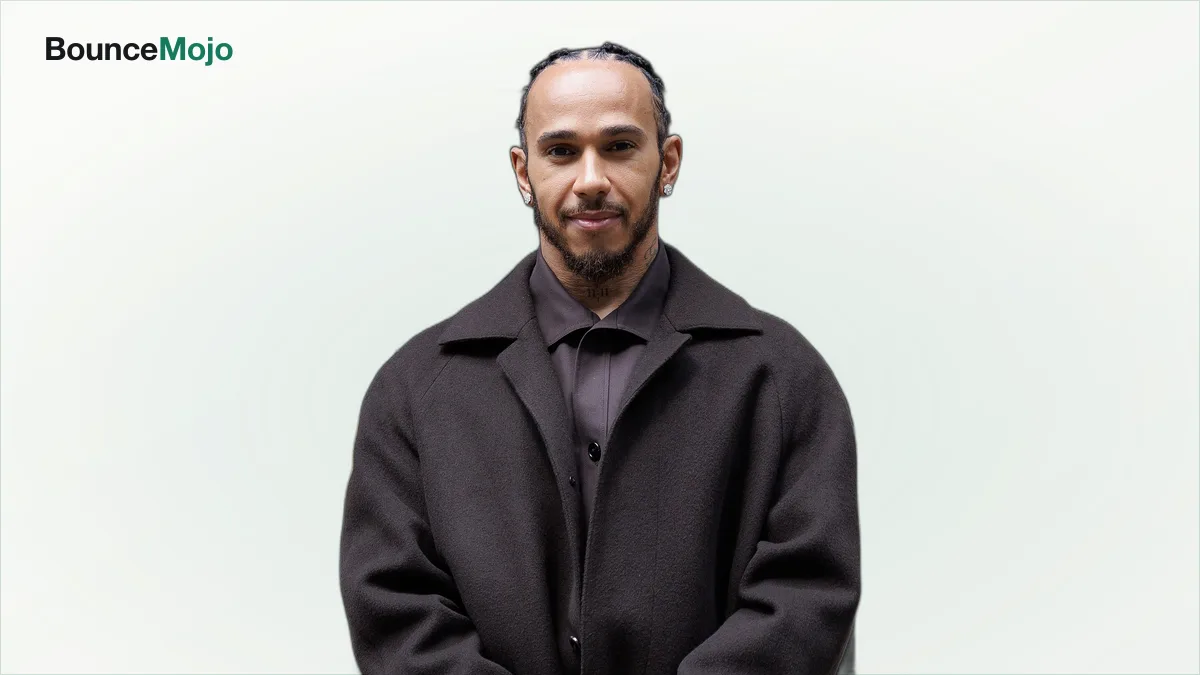
Everybody remembers the championships and the front-row seats at fashion week. Almost nobody remembers the boy racing remote-control cars on a Stevenage estate because that was all his family could afford.
The “born superstar” story is the one that stuck, and it is the least accurate thing about him. Natural talent makes greatness feel like destiny. Hamilton’s rise was built on somebody else’s overtime.
The Karts Anthony Hamilton Worked Extra Jobs to Keep Running
He was born on January 7, 1985, and raised in Stevenage, Hertfordshire, partly on a council estate. His father, Anthony, worked several jobs at once to fund his son’s early racing. His mother, Carmen, was part of the same family effort. This was not a motorsport dynasty. It was an ordinary British family making extraordinary sacrifices.
Karting is expensive, and the Hamiltons had nothing to spare. Anthony’s extra work funded a campaign that wealthier families would have run without noticing the cost, which meant every result mattered more. Lewis couldn’t afford to waste an opportunity, and he rarely did, taking karting honors as he climbed the junior ranks. Anthony also managed his early career, and their relationship, close and occasionally complicated, sits at the heart of the whole story.
The era compounded the disadvantage. Formula 1 was, and largely still is, a sport dominated by wealth and privilege, where a path to the top usually required serious money behind you. For a Black kid from a council estate the odds were daunting on more than one front. He was an outsider from the start, one of very few Black drivers in a mostly white, mostly affluent sport, and he has spoken about the discrimination he encountered and how much it fueled his determination to prove he belonged.
Sacrifice alone doesn’t reach Formula 1, though. What Hamilton had beyond the speed was nerve.
”I Want to Drive for You One Day”: The Ron Dennis Gamble
As a young boy, Hamilton approached McLaren team principal Ron Dennis at an awards event and told him, in effect, that he wanted to drive for McLaren one day. Dennis reportedly told him to come back in a few years.
Remarkably, that exchange led somewhere. McLaren supported Hamilton through the junior ranks as part of its young driver program, giving an outsider the platform most talented kids never get. It changed the trajectory of his life, and it guaranteed him nothing.
He made it pay. He won titles on the junior ladder and, in 2007, was handed a McLaren Formula 1 seat as a rookie. He nearly won the World Championship in his first season, missing out by a single point, and claimed his first title the following year.
Mercedes, Rosberg, and the Argument About the Car
The move to Mercedes was questioned at the time. It proved inspired.
As Mercedes rose to dominance, Hamilton delivered a sustained run of championships that put him in the conversation as one of the greatest drivers in the history of the sport. Multiple world titles, a record number of race wins and pole positions, and a level of season-to-season consistency few have matched. He became not just a champion but the defining star of modern Formula 1, watched by an audience far larger than the one that greeted the drivers before him.
The fair counter-argument is that he had the strongest car during those years. His supporters point out that he beat elite teammates in that same machinery and delivered under pressure time and again. Both things can be true: the car was superb, and he was the driver who most consistently maximized it.
The most bruising of those teammates was Nico Rosberg, whose title fight with Hamilton pushed both men to their limits, strained a friendship, and defined an era of the sport. On the other side of the garage was Toto Wolff, the Mercedes team principal whose partnership with Hamilton, built on mutual respect and shared ambition, produced the most successful run of his career.
The critics of this period were mostly aiming elsewhere. Some accused him of being too focused on life outside racing, from fashion to activism, arguing it distracted from the day job. Others pointed to tensions with teammates and rivals, and the occasional on-track flashpoint, as evidence of a harder competitive edge beneath the polished image. His outspoken stances on social and environmental issues divided opinion sharply, drawing praise from many and criticism from those who felt sport and activism shouldn’t mix.
Hamilton has largely stood by his choices, arguing that his platform came with a responsibility to use it.
Mission 44, and the Cost of Being the Only One
Reaching the summit as an outsider carried a weight most champions never have to.
Hamilton faced racism and prejudice throughout his career, from his karting days onward. Being one of the only Black stars in a mostly white sport placed a spotlight on him that his rivals never had to bear, and he has spoken openly about the toll of it. He lived far more publicly than his contemporaries chose to, with everything from his politics to his personal life under permanent scrutiny, and he did it while carrying the responsibility of representing communities who saw themselves in him.
What he did with that position is the part worth remembering. He built something beyond the results: Mission 44, his initiative supporting underrepresented young people, alongside a plant-based lifestyle and a crossover into fashion and culture that made him one of the most influential athletes in the world. The full net worth breakdown shows how that reach became an estimated $350 million fortune, and the richest race car drivers list puts the figure in context.
The qualities that drew the criticism are the ones that got him there. The boldness that let a council-estate kid walk up to Ron Dennis is the same boldness he later used to push the sport to confront issues it had long ignored. He refused to accept the limits others placed on him, treated the barriers as reasons to push harder, and then turned around and tried to open the door for the people behind him.
Most people will file him under his championships and records. The closer look is harder and more human: a working-class kid from Stevenage, funded by a father working several jobs, who faced long odds and reached the very top anyway. The titles made him famous. What he chose to stand for is why the second story is the one worth keeping.
Shop Lewis Hamilton on Amazon
Books, audiobooks, merch and more, handpicked for fans.
As an Amazon Associate we earn from qualifying purchases.
Frequently Asked Questions
Where did Lewis Hamilton grow up?+
Hamilton grew up in Stevenage, Hertfordshire, in England, partly on a council estate. His father Anthony worked multiple jobs to fund his son's early karting career, and Lewis has often spoken about those modest beginnings.
How did Lewis Hamilton get into Formula 1?+
Hamilton was signed to the McLaren young driver program as a boy, after famously telling McLaren boss Ron Dennis he wanted to race for the team one day. That support carried him up the junior ladder and into a McLaren F1 seat in 2007.
What is Lewis Hamilton known for off the track?+
Beyond racing, Hamilton is known for his work on diversity and inclusion through Mission 44, his plant-based lifestyle, and his crossover into fashion and culture, making him one of the most recognizable athletes in the world.
Want the money side of the story?
Read Lewis Hamilton's Full Net Worth Breakdown →Shop Lewis Hamilton on Amazon
Books, audiobooks, merch and more, handpicked for fans.
As an Amazon Associate we earn from qualifying purchases.