Kurt Busch Biography: The Elder Brother Who Conquered NASCAR First
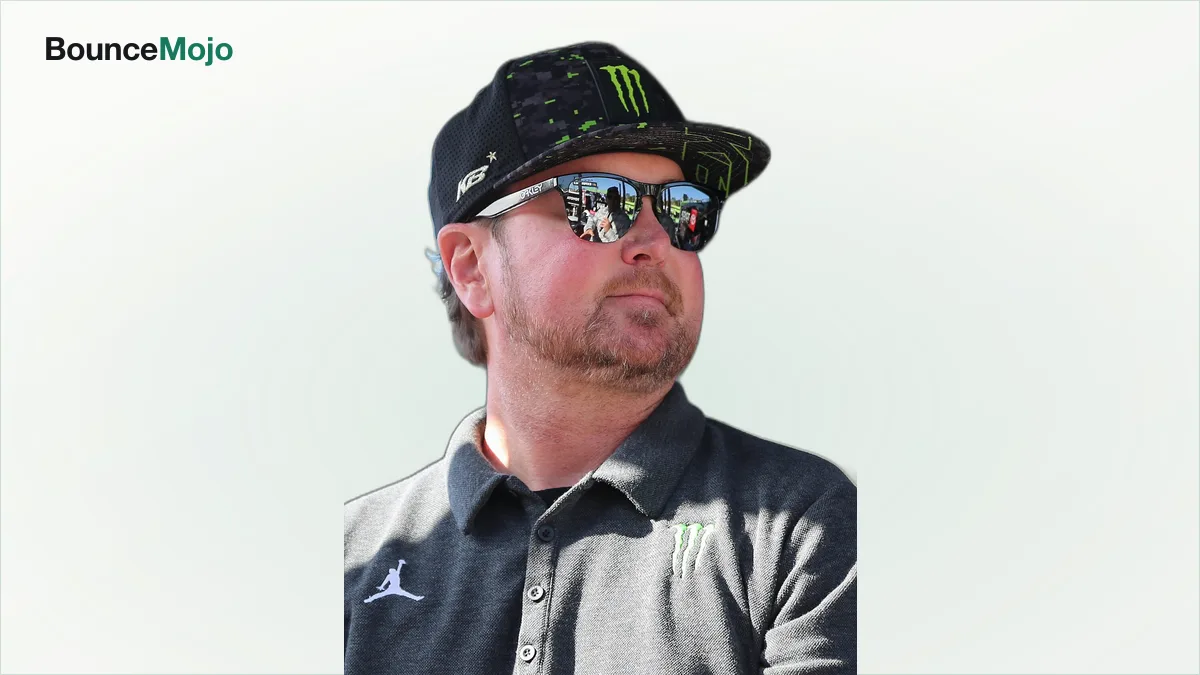
Everybody remembers Kyle Busch, the two-time champion and lightning rod. Almost nobody remembers that his older brother got to the top of NASCAR first and won a title before Kyle ever did.
Here’s what most people miss: the Busch racing story didn’t start with Rowdy. It started with Kurt, the quieter, older brother who proved a kid from Las Vegas could conquer stock-car racing.
The Myth vs. The Reality
The myth, for a lot of fans, is that Kurt Busch is just “Kyle’s brother.” The other Busch. A footnote to the more famous, more polarizing sibling.
That version is lazy. It’s also backwards.
Here’s the truth: Kurt Busch was the pioneer. He reached the Cup Series before Kyle, won a championship before Kyle, and set the template a second Busch brother would follow. He had his own controversies and his own comeback, and his two-decade career stands entirely on its own. Reducing him to a sidekick ignores that he got there first.
Think about it. We tend to remember the loudest personality. But Kurt’s story, the older brother who broke through, then matured into a respected veteran and won a Daytona 500 in his late thirties, is arguably the more complete arc.
Now, that arc started in the same Las Vegas garage that produced his brother. And it was Kurt who walked out of it first.
The World That Made Kurt Busch
To understand Kurt Busch, you have to understand the Las Vegas racing family that raised him.
He was born on August 4, 1978, the older son of Tom and Gaye Busch. The household ran on racing. His father worked on cars and fostered a competitive, motorsport-obsessed environment, and Kurt was the first of the two brothers to chase it seriously. Kyle grew up watching Kurt go first.
The era mattered too. Busch came up as NASCAR was exploding into a mainstream American sport, with expanding television deals and rising prize money. A talented young driver from the West could realistically dream of reaching the top and building a career out of it, and Kurt aimed straight for that ceiling.
Here’s the deal: as the older brother, Kurt didn’t have a trail to follow. He was the one cutting it, moving up through the ranks and earning a shot at NASCAR’s development and national series on raw ability.
But talent alone doesn’t win championships. It took the right owner spotting him at the right time.
The Crucible: Early Life and the Climb
The environment that shaped him
Two things defined the young Kurt Busch: obvious talent and a fierce competitive streak.
He rose quickly through NASCAR’s lower divisions, showing enough speed and racecraft to attract attention from the sport’s top teams while still very young. He was aggressive and confident, sometimes to a fault, and that intensity marked him as both a future star and a driver who would draw controversy.
That combination, huge talent and a combustible edge, defined his early years. He was fast enough to win at the highest level almost immediately, but his temperament created friction with rivals and, at times, his own teams.
You might be wondering: how does a young, hot-tempered driver become a champion so fast? The answer is that the talent was simply undeniable. Given elite equipment, Busch could win, and win consistently, even before he’d fully matured as a person.
By his early twenties he was a full-time Cup driver competing for wins.
The catalyst
The catalyst was landing with Roger Penske’s powerhouse operation.
Getting into top-tier equipment under one of motorsport’s most successful owners gave Busch everything he needed to contend for a title. And in 2004, the very first season NASCAR used its new playoff-style championship format, Busch delivered, edging out the field to win the Cup Series championship.
Here’s the kicker: he did it young. Winning a title that early, in a brand-new format, stamped Busch as one of the sport’s genuine stars and validated the faith his team had put in him. He was a champion before his more famous brother had won anything at the top level.
The older Busch brother had reached the summit first. But the years that followed would test him off the track as much as on it.
The Key Players
No career this long is a solo act, and Busch was shaped by the people around him.
Start with Kyle Busch, his younger brother, who followed Kurt into NASCAR and eventually surpassed him in championships. Their relationship, as brothers and rivals both chasing greatness in the same sport, is one of NASCAR’s defining family stories, and Kurt was the one who blazed the trail.
Then there’s Roger Penske, the legendary team owner whose organization gave Busch the platform to win his championship. Penske’s belief in a young, volatile driver paid off with a title.
And there’s Chip Ganassi, another elite owner Busch drove for later in his career, keeping him in competitive equipment as a veteran and helping him win the 2017 Daytona 500.
There were also the rivals, drivers like Tony Stewart, fellow champions who pushed Busch and made his era of NASCAR fiercely competitive.
Now: get to the right teams, chase the right rivals, and even a volatile young talent can build a Hall of Fame-caliber career. Kurt did exactly that, though not without turbulence.
The Turning Point
The pinnacle
The pinnacle came twice, at the start and near the end of his prime.
The first was 2004, the Cup Series championship, won in the inaugural year of the sport’s playoff format. It made Busch a champion in his mid-twenties and announced the arrival of a Las Vegas racing dynasty.
The second, and in some ways more emotional, came in 2017, when Busch won the Daytona 500, NASCAR’s crown jewel. Winning the sport’s biggest race deep into his career, after years of ups and downs, was a triumphant validation of his longevity and talent.
Across his career, Busch racked up dozens of Cup wins over more than two decades, a body of work that few drivers ever match. He was fast for a very long time.
Here’s the truth: he was a champion and a Daytona 500 winner, and yet his career was nearly defined by the controversies in between.
The price
Because the same fiery temperament that fueled his driving created real problems off the track.
Busch had well-documented run-ins during his career, disputes with teams, rivals and officials, and periods where his conduct drew criticism and consequences. His temper, an asset in a race car, became a liability when it spilled over, and it cost him at points along the way.
There were seasons of turbulence when his reputation, more than his results, was the story. That was the price of the intensity that made him great, and it forced Busch to do the hard work of maturing in a very public sport.
He’d spent his youth letting his competitive fire run unchecked. Learning to control it, to become a respected veteran rather than a cautionary tale, was the real challenge of his adult life.
The Unvarnished Truth
Busch is not a spotless figure, and his story is better for the honesty.
He clashed with people. He drew penalties and criticism for his temper and for conduct that at times overshadowed his driving. Early in his career, his volatility threatened to define him more than his talent.
There’s also the shadow of always being measured against his brother. As Kyle’s fame and championship count grew, Kurt increasingly had to assert that his own career, the first title, the Daytona 500, stood on its own merits.
Here’s what’s easy to miss: his greatest strength and his biggest flaw were the same fire. The competitive intensity that made him a champion also fueled the confrontations that dogged him. The gift and the trouble came from one source.
None of that erases the wins. But it does make his eventual maturity, and that 2017 Daytona triumph, all the more meaningful.
Controversies and Criticisms
Busch’s career carried genuine controversy, and it’s worth being honest about it.
He was involved in various disputes and incidents over the years that drew scrutiny, penalties and public criticism, the kind of friction that follows an intensely competitive driver with a temper. At points those controversies threatened his standing in the sport.
Some critics argued that his conduct undermined his considerable talent, that he made his own path harder than it needed to be. Others noted that he did, over time, grow into a more measured and respected figure, one who kept winning and earned a reputation as a savvy veteran.
Busch’s arc is ultimately one of maturation. The volatile young champion became a seasoned pro, and that evolution is a real part of why his career lasted as long, and paid as well, as it did.
So what does a life like this actually teach the rest of us? A lot, and not the obvious lessons.
What We Can Learn From Kurt Busch
Navigating hard times
Busch’s real lesson is about growth after early success.
He won a championship young, then spent years navigating the controversies that came with his temperament. Rather than flame out, he matured, protected his career, and eventually won the sport’s biggest race in his late thirties. He proved you can rewrite your reputation with time and effort.
In other words: early success isn’t the finish line, and early mistakes don’t have to be permanent. What you do next is what defines you.
The success blueprint
The blueprint here is about being first and then lasting.
Busch was the trailblazing Busch brother, reaching the top before Kyle and winning a title first. Then he backed it up with two decades of front-line racing and a Daytona 500 win, building a fortune on consistency and endurance rather than any single move.
Want the fuller picture of how that translated into wealth? The full net worth breakdown shows how a championship and a long career became an $80 million fortune. And to see how he ranks among the sport’s biggest earners, the richest race car drivers list puts it in context.
The deeper takeaway is about staying power. Busch proved that reaching the top is only half the job. Staying there, maturing through your mistakes, and winning again years later is what turns a good career into a great one.
Which brings us to the final reckoning on the man.
Final Verdict
Kurt Busch is going to be remembered as “the older Busch brother,” and that undersells a genuinely great career.
Most people will file him behind Kyle. A smaller, smarter group will remember something harder to dismiss: the driver who got to NASCAR’s summit first, won a championship in his mid-twenties, weathered years of controversy, matured into a respected veteran, and capped it all with a Daytona 500 win deep into his career.
Here’s the bottom line: Kyle may have won more titles, but Kurt broke the ground. He proved a Las Vegas kid could conquer NASCAR, and he did it before anyone else in his family, then built a two-decade fortune out of it.
He is a Cup champion and a Daytona 500 winner. He is also proof that being first, and lasting, is its own kind of greatness. And in the long run, that trailblazer’s story is the version worth remembering.
Shop Kurt Busch on Amazon
Books, audiobooks, merch and more, handpicked for fans.
As an Amazon Associate we earn from qualifying purchases.
Frequently Asked Questions
Where did Kurt Busch grow up?+
Busch grew up in Las Vegas, Nevada, the older son of Tom and Gaye Busch, in a racing family where he and his younger brother Kyle both learned the sport from an early age.
Did Kurt Busch win a NASCAR championship?+
Yes. Busch won the 2004 NASCAR Cup Series championship, the very first title decided under the sport's new playoff format, becoming one of the sport's youngest champions at the time.
How is Kurt Busch related to Kyle Busch?+
Kurt is the older brother of Kyle Busch, the two-time Cup champion. Kurt reached the top level first and paved the way for his younger brother's own career.
Did Kurt Busch win the Daytona 500?+
Yes. Busch won the 2017 Daytona 500, the biggest race in NASCAR, adding the sport's crown-jewel event to a resume that already included a Cup championship.
Who gave Kurt Busch his big break in NASCAR?+
Team owner Roger Penske was central to Busch's rise, and it was with a Penske-affiliated program that Busch won his 2004 championship, launching a two-decade top-level career.
Want the money side of the story?
Read Kurt Busch's Full Net Worth Breakdown →Shop Kurt Busch on Amazon
Books, audiobooks, merch and more, handpicked for fans.
As an Amazon Associate we earn from qualifying purchases.