Kristi Yamaguchi Biography: The Club-Footed Girl Turned Champion
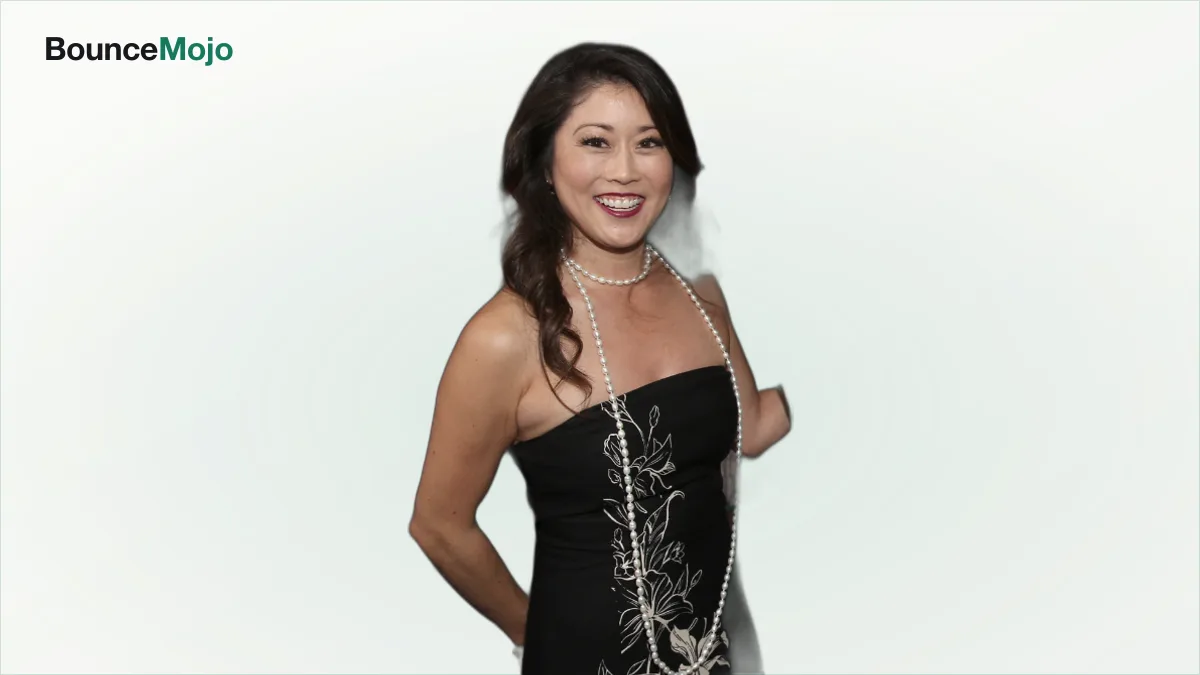
Everybody remembers the gold medal. Almost nobody remembers the casts.
Here’s what most people miss: the woman who skated more gracefully than anyone in the world was born with feet that pointed the wrong way.
The Myth vs. The Reality
The myth is effortless grace. Kristi Yamaguchi glides across the ice like it costs her nothing, a picture of poise, and skates away with Olympic gold. Beautiful. Clean. Easy.
That image is real. It’s also a lie about how it started.
Here’s the truth: Yamaguchi’s skating career began not as a dream but as a medical prescription. She was born with club feet, a condition that turns the feet inward, and she spent her infancy in corrective casts. Her parents put her in dance and skating to strengthen her legs. The most graceful skater of her generation started because her body needed fixing.
Think about it: the sport that made her famous was originally therapy. Every elegant spin traces back to a child learning to walk straight.
Now, that kind of origin builds something the highlight reel never shows: a quiet, stubborn resilience. And to understand where it came from, you have to understand the family and the era that shaped her. That’s where the story really starts.
The World That Made Kristi Yamaguchi
To understand Yamaguchi, you have to understand American figure skating in the late 1980s and early 1990s, and the specific family she was born into.
She arrived on July 12, 1971, in Hayward, California, a Bay Area city. Her father, Jim, was a dentist. Her mother, Carole, worked as a medical secretary. This was a Japanese American family with a hard history behind it: relatives had been held in internment camps during World War II. That backdrop of perseverance ran quietly through the household.
The skating world she entered was in transition. The amateur era was ending, and a new generation of American women, telegenic, technically brilliant, and marketable, was becoming the face of the Winter Olympics. Figure skating was one of the most-watched sports on American television, and its stars became household names in a way few other athletes did.
Here’s the deal: in that world, a female skater’s ceiling was enormous if she could win. Olympic gold meant tours, endorsements, and fame. But the road there was ruthless, and the competition among American women was fierce.
But the real environment that shaped Yamaguchi wasn’t the sport’s glamour. It was a family that turned a birth defect into a discipline and never let her quit. Which is where the climb begins.
The Crucible: Early Life and the Climb
The environment that shaped her
Yamaguchi’s path was built on repetition, sacrifice, and an early, brutal schedule.
As a child in casts, she was put into dance and skating for her legs. But she took to the ice with a seriousness that outpaced the therapy. By her teens she was training before dawn, a punishing routine that shaped both her skill and her character. Her family drove the miles, paid the bills, and built their lives around her sport.
You might be wondering: how does a kid handle that much pressure so young? In Yamaguchi’s case, with a rare, quiet focus. She wasn’t the loudest or flashiest skater. She was the most consistent, the most composed, and the hardest to rattle, traits forged in those early morning sessions.
Her first major success came in pairs. Teamed with Rudy Galindo, she won a World Junior title and a U.S. pairs championship. The pair was unusual because both were accomplished singles skaters too, which let them attempt difficult side-by-side elements few teams could match.
The catalyst
Then came the fork in the road that defined her career.
Yamaguchi was competing at an elite level in both pairs and singles at the same time, an exhausting double load. Eventually she had to choose. She stepped away from her pairs partnership with Galindo to focus entirely on singles skating, betting her future on going it alone.
It was a hard, even painful decision. Galindo felt the loss. But it was the right call. Freed to focus, Yamaguchi climbed fast. She won a World Championship in 1991 and entered the 1992 season as a genuine gold-medal contender.
Here’s the deal: that choice, to specialize, to sacrifice a successful partnership for a bigger individual dream, set up the moment that would define her life. And it came at the Albertville Olympics.
The Key Players
No champion rises alone, and Yamaguchi’s story is full of people who bent her trajectory.
Start with her parents, Jim and Carole, who turned a medical condition into a sporting career and carried the family through years of early mornings and long drives. Their perseverance, rooted in a family history of hardship, gave her a foundation of quiet toughness.
Then there’s Rudy Galindo, her former pairs partner. Their split was one of the emotional hinges of her early career. Galindo would later have his own poignant journey in the sport, and the shared history between them remains a defining chapter for both.
There were rivals, too. Yamaguchi came up alongside a generation of talented American women, and the competition among them was intense and heavily covered. Those rivalries pushed her and shaped the pressure of her championship year.
And later there was Bret Hedican, the NHL defenseman she married, a Stanley Cup champion who became her life partner and the co-builder of a two-athlete household.
But the person who mattered most in her defining moment was Yamaguchi herself, standing alone on Olympic ice, carrying more than a medal on her shoulders.
The Turning Point
The pinnacle
The pinnacle came in February 1992 at the Albertville Winter Olympics in France.
Yamaguchi entered as a favorite and skated to the ladies’ gold medal. But the win carried a weight beyond the podium. She became the first Asian American woman to win a Winter Olympic gold medal, a milestone that resonated far outside figure skating and made her a symbol for a community that had rarely seen itself celebrated on that stage.
She followed it by winning a second World Championship in 1992, cementing her status at the very top of the sport. Then she turned professional, joining Stars on Ice and headlining the touring circuit for years.
In pure sport terms, the career was a triumph. But triumph came with a cost that fans rarely discuss.
The price
The price was the partnership she left behind, and the pressure she absorbed.
Choosing singles meant stepping away from Rudy Galindo, ending a successful pairs run and a close working relationship. That decision, however necessary, carried real emotional weight for both of them.
And carrying the hopes of a historic first is its own burden. As a barrier-breaking Asian American champion, Yamaguchi skated under a spotlight that expected her to represent far more than herself. That kind of symbolic pressure, the sense that a whole community is watching and hoping, is a weight most athletes never have to bear.
Here’s the truth: she carried it with a composure that made it look easy, which is exactly why so few people realize how heavy it was.
That poise, though, sometimes masked a more complicated reality about how the sport treated its stars.
The Unvarnished Truth
Yamaguchi is not a figure built for scandal, and her life has been remarkably clean. But the honest story has texture the fairy-tale version leaves out.
The truth is that figure skating in her era could be quietly cruel about image and marketability. Skaters were judged not only on their jumps but on how “sellable” they were to sponsors and television. Yamaguchi’s grace and poise made her a favorite, but the sport’s obsession with image put pressure on every young woman in it, including her.
There was also the emotional residue of the Galindo split. Leaving a partner to chase a solo dream is a hard thing to carry, and it complicated a relationship that had meant a great deal to her.
Here’s what’s easy to miss: Yamaguchi’s greatest strength, her calm, understated professionalism, sometimes worked against her fame. In an era of dramatic personalities and tabloid storylines, she was almost too gracious to generate headlines. She let her skating speak, which won her respect but sometimes less attention than flashier rivals.
None of that stopped her from becoming a genuine trailblazer. But her career still sat inside a sport with real problems.
Controversies and Criticisms
Yamaguchi’s career is notably free of personal controversy, which stands out in a sport that has produced some of the most infamous scandals in Olympic history.
The biggest criticisms weren’t about her at all. They were about figure skating’s culture: the intense pressure on young women, the emphasis on image and marketability, and the sometimes questionable judging that has dogged the sport for decades. Yamaguchi succeeded inside that system, but the system itself drew heavy criticism.
There was also occasional debate about her decision to leave pairs skating and Rudy Galindo. Some saw it as a cold, career-first move. Others saw it as the necessary sacrifice of an athlete pursuing her ceiling. The honest answer is that elite sport constantly forces such choices, and Yamaguchi made hers cleanly and successfully.
And in a sport hungry for drama, some critics found her too polished, too controversy-free, to be a compelling television character. To which the obvious reply is that being a role model isn’t a flaw. It’s the point.
So what does a champion like this actually teach the rest of us? A great deal.
What We Can Learn From Kristi Yamaguchi
Navigating hard times
Yamaguchi’s whole origin is a lesson in turning a limitation into an advantage.
She was born with club feet, and the therapy meant to fix them became the career that defined her. The lesson isn’t about skating. It’s about reframing. What looked like a disadvantage became her greatest asset, because her family refused to treat it as a ceiling.
In other words: the thing you’re told is your weakness can become the exact ground where you build your strength.
The success blueprint
The blueprint here is about focus and reinvention.
Yamaguchi made a hard specialization choice, giving up a successful pairs career to chase a singles dream, and it paid off in gold. Then she reinvented herself again and again: professional tour headliner, Dancing with the Stars champion in 2008, bestselling children’s book author, and charity founder. Each act built on the last.
Want the fuller financial picture behind that reinvention? The full net worth breakdown shows exactly how one Olympic gold grew into an $8 million fortune and a lasting brand. And to see where she ranks among the sport’s biggest earners, the richest Olympians list puts it in context.
The deeper takeaway is about meaning. Yamaguchi didn’t just cash in her fame. She attached it to a mission, founding the Always Dream Foundation to support children’s literacy. She proved that a champion’s most durable legacy isn’t the medal. It’s what you build with it afterward.
Which brings us to the final reckoning on the woman.
Final Verdict
Kristi Yamaguchi is going to be remembered as grace personified, and that’s true, but it undersells her.
Casual fans will remember the elegant skater, the 1992 gold, the poise. A sharper group will remember the fuller story: a girl born with club feet who turned therapy into artistry, made a gutsy career gamble to skate solo, and then broke a historic barrier as the first Asian American woman to win Winter Olympic gold.
Here’s the bottom line: the grace was never the whole story. The story is a Hayward kid who started skating to walk straight, carried the hopes of a community with quiet steel, and built a life of purpose long after the anthem faded.
She won the medal. She broke the barrier. And she turned it all into a mission that outlasts any trophy. That’s the version worth remembering.
Shop Kristi Yamaguchi on Amazon
Books, audiobooks, merch and more, handpicked for fans.
As an Amazon Associate we earn from qualifying purchases.
Frequently Asked Questions
Where did Kristi Yamaguchi grow up?+
Yamaguchi grew up in Hayward, California, in the San Francisco Bay Area, the daughter of a dentist and a medical secretary. She began skating as a child, partly as therapy for her club feet.
Was Kristi Yamaguchi born with a disability?+
Yes. She was born with club feet and wore corrective casts as an infant. Her parents put her in dance and skating to strengthen her legs, and the therapy became her lifelong sport.
Who was Kristi Yamaguchi's pairs partner?+
Her pairs partner was Rudy Galindo. Together they won the U.S. pairs title and a World Junior championship before Yamaguchi chose to focus on singles skating.
Why is Kristi Yamaguchi historically significant?+
At the 1992 Albertville Olympics she became the first Asian American woman to win a Winter Olympic gold medal, a milestone that resonated well beyond figure skating.
Who is Kristi Yamaguchi married to?+
She is married to former NHL defenseman Bret Hedican, a Stanley Cup champion. The couple has two daughters and lives in California.
Want the money side of the story?
Read Kristi Yamaguchi's Full Net Worth Breakdown →Shop Kristi Yamaguchi on Amazon
Books, audiobooks, merch and more, handpicked for fans.
As an Amazon Associate we earn from qualifying purchases.