Jorge Masvidal Biography: Backyard Brawler Turned Superstar
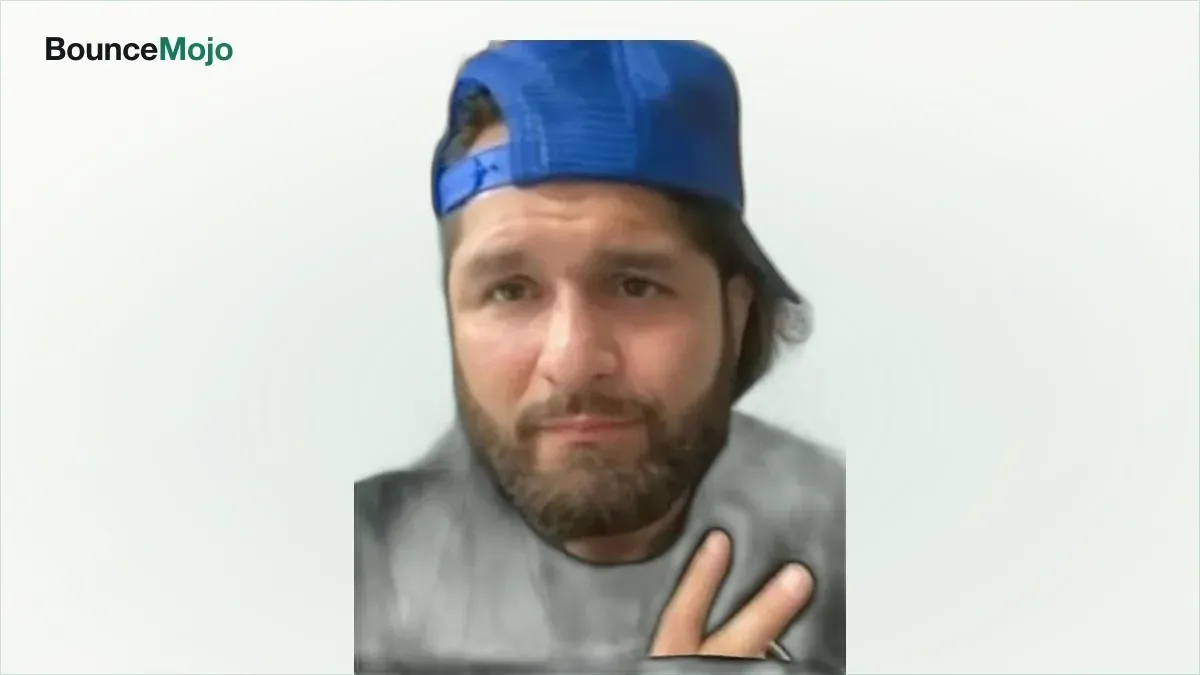
Most people know Jorge Masvidal from one impossible highlight: the flying knee that put Ben Askren to sleep in five seconds.
Here’s what most people miss: that overnight superstar had already spent nearly twenty years fighting, starting in the backyards of Miami with no gloves, no cage, and no safety net.
The Myth vs. The Reality
The myth is thrilling. Jorge Masvidal: the “Gamebred” street fighter, the guy with the fastest knockout in UFC history, the “BMF” who fought anyone, anywhere.
The reality has a lot more patience in it than the myth suggests.
Here’s the deal: Masvidal wasn’t an overnight sensation. He was a nineteen-year overnight sensation. Long before the flying knee, he was a hard-luck professional fighter bouncing between promotions, respected by insiders but invisible to the mainstream, earning modest purses fight after fight after fight.
That gap between the viral superstar and the grinding journeyman is the real Masvidal story. His breakout looked sudden. It was actually the payoff of two decades of getting punched for a living and refusing to quit.
You might be wondering: how does a kid from Miami’s backyards end up headlining the biggest cards in the world? To understand that, you have to understand where he came from.
The World That Made Jorge Masvidal
Masvidal was born in 1984 and raised in Miami, a city with its own raw, streetwise fighting culture.
He came from a Cuban father and a Peruvian mother. His father had escaped Cuba on a self-made raft as a young man, an origin story of desperation and grit that Masvidal carries with pride. But his father was incarcerated when Jorge was just four years old, leaving his mother to support the family by working two jobs. Young Jorge often slept on the couch, a detail he credits with building the work ethic and resilience that defined him.
Now: the Miami of his youth had a thriving underground fighting scene. This was the world of backyard brawls, filmed on early camera phones and uploaded to a new platform called YouTube, where local tough guys built reputations with their fists. It was rough, unregulated, and real.
That backdrop, a hard Miami upbringing feeding into a viral street-fighting culture, is where “Gamebred” was born. Masvidal didn’t learn to fight in a pristine academy. He learned it in the yard, against grown men, for pride.
But before the fame, there was a kid who had to survive first and fight second.
The Crucible: Early Life and the Climb
The Environment That Shaped Him
With his father away and his mother working constantly, Masvidal grew up fast and often on his own. He got into street fights young, and by his late teens he was immersed in Miami’s underground fighting circuit.
That scene was organized in part around Kimbo Slice, the internet’s original backyard-fighting legend. Masvidal made his name there, notably in a filmed bout against a Kimbo protégé that went viral, stunning viewers who couldn’t believe this lean kid could hand out that kind of beating. Those videos were his first taste of fame, and his first proof that his fists could be worth something.
What’s remarkable is how little those early wins paid. The backyard scene offered reputation, not money, and Masvidal was hungry for both. He fought grown men for pride and for the small, hard-won respect of a Miami neighborhood that measured toughness in real terms. That respect couldn’t pay a bill, but it planted a belief in him that never left: if he could beat anyone the streets put in front of him, he could beat anyone a cage put in front of him too.
Here’s the truth: the backyard made him tough, but it didn’t make him rich. Turning that raw talent into a real career would take a training academy, a professional license, and a decade of patience.
The Catalyst
Masvidal channeled his street reputation into legitimate MMA, training at Miami’s Freestyle Fighting Academy and turning pro in the mid-2000s.
For years, he was the definition of a “gatekeeper,” a skilled, durable fighter who tested prospects and headlined smaller shows without ever quite breaking through. He fought in numerous promotions, earning respect but not stardom, before finally landing in the UFC. Even there, he spent years as a solid contender rather than a star.
It gets better, and it took forever to arrive. In 2019, everything changed. What had been a grind for nearly two decades exploded into superstardom in a single, unforgettable year.
The Key Players
No fighter rises alone, and Masvidal’s story runs through a cast of rivals, mentors, and one absent father.
His mother. The two-job single parent who kept the family afloat while his father was incarcerated. Her relentless work ethic is the foundation Masvidal points to again and again.
Kimbo Slice. The backyard-fighting icon whose scene launched Masvidal’s early reputation. Those viral videos were Masvidal’s first platform, the moment the world first saw what he could do.
Nate Diaz. The fellow fan-favorite and rival whom Masvidal fought for the “BMF” title in 2019. That fight, a violent, respectful war, cemented Masvidal as a genuine pay-per-view star.
Colby Covington. Once a close friend and training partner, later a bitter enemy in one of the sport’s ugliest personal feuds. Their falling-out became a defining storyline of Masvidal’s later career.
Kamaru Usman. The dominant welterweight champion who beat Masvidal twice in title fights. Those bouts were among the biggest, and most lucrative, of Masvidal’s career, even in defeat.
Think about it: every one of these relationships is a chapter in the same arc, the long climb from the yard to the main stage. The Diaz fight is where it all paid off.
The Turning Point
The Pinnacle
Masvidal’s mountaintop was the year 2019.
First came the five-second flying-knee knockout of Ben Askren at UFC 239, one of the fastest finishes in UFC history and an instant viral phenomenon. Then came the brawl with Nate Diaz for the specially created “BMF” title, a fight so anticipated the UFC built a one-off belt around it, presented by a celebrity. Masvidal won, and in the span of a few months he transformed from a respected veteran into one of the biggest stars in the sport.
Those wins turned him into a headliner and, as his own net worth breakdown details, they finally brought the seven-figure paydays that a decade of grinding never had.
The Price
Here’s the kicker: the fame arrived late, and the window was narrow.
Masvidal broke out at 34, an age when many fighters are declining. He cashed in with two title fights against Kamaru Usman, but he lost both, and the back half of his run included tough defeats and the ugly, public feud with former friend Colby Covington. The superstar years were intense and brief.
The 2019 explosion made him rich and famous. But it also came with the pressure and scrutiny of stardom he’d chased for two decades, and the clock was already ticking. Which brings us to the human being behind the “Gamebred” persona.
The Unvarnished Truth
Masvidal has never pretended to be anything other than what he is, a fighter forged in the streets, with all the rough edges that implies.
His biggest vulnerabilities played out in his rivalries. The feud with Colby Covington turned personal and, at one point, physical outside the cage, leading to real legal consequences. Masvidal has been candid that his loyalty runs deep and his temper runs hot, a combination that made him beloved and occasionally landed him in trouble.
Now: none of that makes him a villain. Much of it is the residue of the world that raised him, a place where respect was everything and disrespect demanded an answer. When you grow up settling things with your fists in a Miami backyard, those instincts don’t vanish just because you’re famous.
The most honest thing you can say about Masvidal is that his greatest strength and his greatest weakness are the same. The uncompromising toughness that made “Gamebred” a star is the same toughness that fueled his messiest conflicts.
Controversies and Criticisms
Masvidal’s career had real friction, most of it tied to his combustible personality.
The Covington feud. His falling-out with former friend Colby Covington escalated into a public altercation that carried legal fallout. It became one of the ugliest personal storylines in the sport and a stain on an otherwise beloved run.
The late-career losses. Critics questioned whether Masvidal kept fighting too long as defeats piled up after his peak. That debate follows nearly every fighter who tastes stardom late and struggles to let it go.
The street-fighter image. Some commentators cast Masvidal as too raw or unpolished for the mainstream. In hindsight, that “street” image was exactly what made him relatable to millions of fans who saw their own underdog struggle in his story.
What We Can Learn From Jorge Masvidal
Navigating Hard Times
The first lesson is about patience under obscurity. Masvidal fought for nearly twenty years before the world noticed. Most people would have quit. He kept showing up, kept improving, and was ready when his moment finally came.
But here’s the truth the money makes plain: he never stopped believing his moment was coming. That self-belief, forged in a childhood where he had to fend for himself, is what carried him through the lean, invisible years.
The Success Blueprint
If you want the replicable part, it’s this: build a brand out of your authentic story, then be ready to capitalize when opportunity strikes. Masvidal’s “Gamebred” identity, the everyman brawler from the backyard, was marketing gold precisely because it was true.
That’s transferable. The lesson isn’t “start in a backyard.” It’s “know your story and be prepared to seize the one moment that changes everything.” His placement among the sport’s earners on our richest MMA fighters ranking rests on a decade of preparation meeting a five-second opportunity.
Becoming Better
The deepest lesson is about turning fame into ownership. Masvidal didn’t just spend his superstar earnings, he launched his own promotions and wrote his own memoir, extending the “Gamebred” brand into businesses that outlast his fights.
In other words, don’t just be the talent, own the platform. That instinct is the quiet twist that turned a fleeting fame into something more durable.
Final Verdict
Jorge Masvidal is one of the most compelling stories the sport has produced, a fighter who spent nearly two decades in the shadows before erupting into global stardom on the strength of a single, perfect moment. He didn’t have the amateur pedigree of an Olympian or the marketing machine of a manufactured star. What he had was the toughness of the Miami streets and the patience to wait for his shot.
And here’s the twist that reframes everything: the “overnight” superstar was really a nineteen-year grind, and the backyard fighter who once brawled for viral videos turned that same brand into a promotion and a book. If you want the real story in his own words, read his memoir Born to Fight (2023), an unfiltered account of the world that made him. The full picture of how he turned that late-arriving fame into lasting wealth lives in his net worth breakdown, and it’s the most fitting ending imaginable. The kid who slept on a couch while his mother worked two jobs didn’t just make it. He turned his fists, his story, and his nickname into a fortune.
Shop Jorge Masvidal on Amazon
Books, audiobooks, merch and more, handpicked for fans.
As an Amazon Associate we earn from qualifying purchases.
Frequently Asked Questions
Where did Jorge Masvidal grow up?+
Jorge Masvidal was born in 1984 and raised in Miami, Florida, to a Cuban father and Peruvian mother. His father was incarcerated when Jorge was young, and his mother worked multiple jobs to support the family.
Did Jorge Masvidal really fight in backyards?+
Yes. Before turning pro, Masvidal made his name in Miami's underground backyard-fighting scene, including bouts connected to Kimbo Slice's viral videos, which helped launch his combat-sports career.
Why is Jorge Masvidal called 'Gamebred'?+
The nickname 'Gamebred' reflects his roots as a fighter who was, in his telling, bred for combat from the streets of Miami, tough, relentless, and willing to fight anyone.
What is Jorge Masvidal's most famous moment?+
His most famous moment is the five-second flying-knee knockout of Ben Askren at UFC 239 in 2019, one of the fastest finishes in UFC history, which turned him into a global star.
Did Jorge Masvidal write a book?+
Yes. Masvidal released a memoir, Born to Fight (2023), telling the story of his rise from Miami's backyard-fighting world to UFC superstardom.
Want the money side of the story?
Read Jorge Masvidal's Full Net Worth Breakdown →Shop Jorge Masvidal on Amazon
Books, audiobooks, merch and more, handpicked for fans.
As an Amazon Associate we earn from qualifying purchases.