John Cena Biography: The Bullied Kid Who Became an Icon
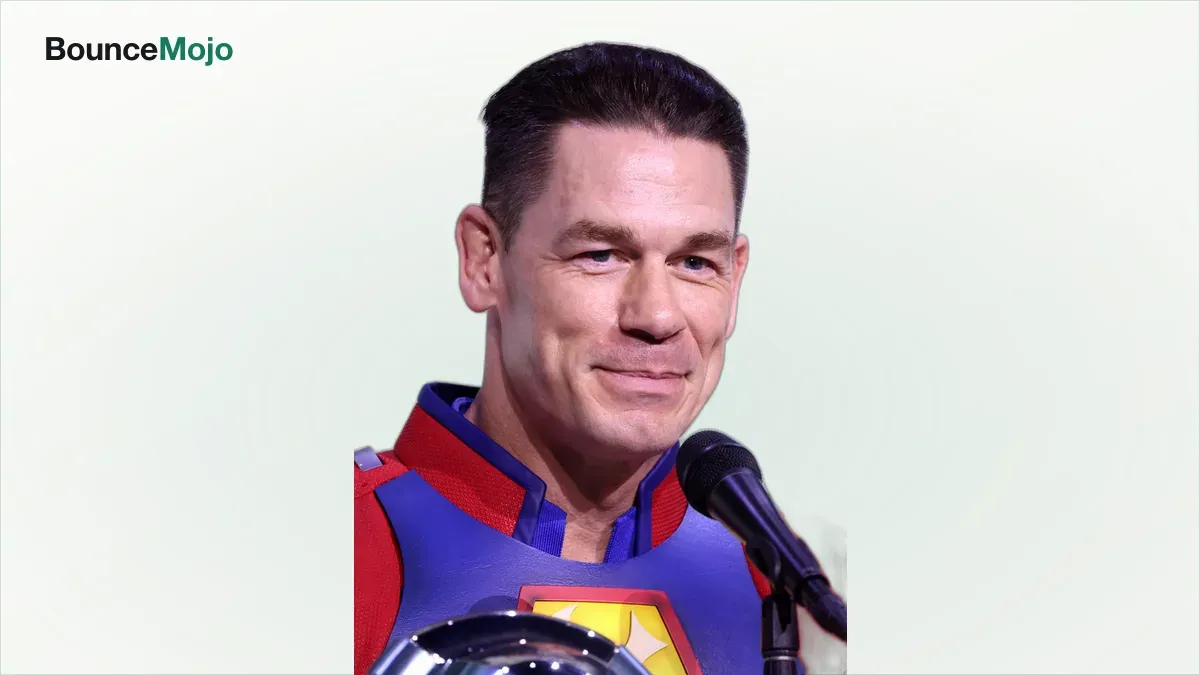
Most people know John Cena as the smiling, unbeatable superhero of WWE, or the funny muscle guy from the movies. Both versions skip the kid who got beaten up for being small and weird.
Here’s what most people miss: the man who tied the greatest championship record in wrestling history was once a bullied outsider who lifted weights out of pure self-defense.
The Myth vs. The Reality
The myth is that John Cena is a manufactured, invincible good guy, all muscles and slogans, handed the top spot and told to smile.
The reality is more human.
Here’s the deal: Cena wasn’t a natural. He was a small, picked-on kid who taught himself to lift weights so he’d stop getting shoved around. The colossal frame that made him a star was engineered out of insecurity, not gifted at birth. The confidence came later, and it came hard.
And “unbeatable”? For roughly a decade, half of every arena booed him. Adults resented the squeaky-clean image while kids adored it, and the split, “Let’s go Cena” versus “Cena sucks”, became one of the loudest sounds in sports entertainment. He was the most successful and most divisive star in the building at the same time.
You might be wondering: how does a bullied kid who drove limos for cash become the face of a global company and tie an untouchable record? To understand that, you have to go back to West Newbury.
The World That Made John Cena
Cena was born in 1977 into a big, loud, close Italian-American family in West Newbury, Massachusetts.
He was the second of five brothers, and the household ran on competition and busting each other’s chops. His father worked as a ring announcer on the independent wrestling scene, so the business wasn’t foreign, but the family wasn’t wealthy or connected. Cena grew up ordinary, in a world where you earned respect the hard way.
Now: the outside world was less friendly. Cena has spoken about being bullied as a scrawny kid, targeted for how he looked and dressed. His answer, at 12 or 13, was a weight set and a decision to never be an easy target again. That choice quietly set the trajectory for everything.
Wrestling in the late ’80s and ’90s, meanwhile, was becoming a national obsession. The larger-than-life bodies, the good-versus-evil storylines, the idea that hard work and character could make you a hero, all of it sank into a kid who was already lifting to become someone bigger.
That collision, a bullied boy and a culture that worshipped strength, is the backdrop for everything. But before wrestling, Cena tried to make it in a completely different arena.
The Crucible: Early Life and the Climb
The Environment That Shaped Him
Football and iron were Cena’s first paths.
He grew into a genuine athlete, earning a spot at Springfield College, where he became an NCAA Division III All-American center and team captain, graduating with a degree in exercise physiology. The bullied kid had become one of the strongest, most disciplined guys in any room.
But a college degree in kinesiology doesn’t pay the bills fast. Cena moved to California to chase professional bodybuilding, the purest expression of the thing that had saved him. Reality bit quickly.
Here’s the truth: to survive, he worked odd jobs, including driving a limousine and, by some accounts, sleeping in his car during the leanest stretch. The dream of a bodybuilding career stalled. He was strong, broke and searching for what came next.
That search led him to a wrestling school, almost by accident.
The Catalyst
Cena started training at Ultimate Pro Wrestling in California, and something clicked. He was big, athletic and coachable, and by 2001 WWE signed him to its developmental system.
Then came the moment his whole career hinged on. His early main-roster run as a generic, muscular competitor was flat, and management reportedly considered releasing him. Backstage, a freestyle rap Cena performed on the team bus caught the right ears.
It gets better. WWE let him run with it, and the “Doctor of Thugonomics” was born, a brash, rapping, trash-talking character that finally made fans care. The kid who almost got cut turned himself into one of the most magnetic acts in the company. That reinvention was the true launch.
The Key Players
No one climbs alone, and Cena’s rise had a supporting cast.
John Cena Sr. His father, the ring announcer, planted the business in his life and later became a familiar face at his son’s biggest moments. The family’s competitive, blue-collar ethos is stamped on everything Cena does.
Vince McMahon. The WWE chairman bet on Cena as the face of the company through the 2000s and 2010s, building storylines and a merchandise empire around him. Whatever came later, McMahon’s company was the stage that made him a global name.
The fans, split down the middle. Cena’s most defining relationship was with the crowd itself, half adoring, half hostile. That tension made every match feel like a referendum and turned him into one of the most-discussed performers in wrestling history.
Nikki Bella. His long relationship and public engagement with the WWE star played out in front of millions on reality television, humanizing a man whose image had always been carefully controlled.
Think about it: each of these forces pushed and pulled at the same clean-cut brand. And the way Cena responded, by leaning into the reliability rather than fighting it, is what carried him to the peak.
The Turning Point
The Pinnacle
Cena’s mountaintop is a number: 16 world championships, tying Ric Flair’s long-standing record for the most in company history.
For over a decade he headlined the biggest shows, sold the most merchandise, and served as the dependable center the whole operation was built around. He main-evented multiple WrestleManias, carried the company through the departure of stars like The Rock and Batista, and became, for a generation of kids, the definition of a wrestling hero.
Then, like the man above him on our richest wrestlers list, he used that platform to jump. Roles in Trainwreck, Bumblebee, the Fast & Furious franchise and the hit series Peacemaker proved he could act, and act with real comic timing. As his net worth breakdown shows, Hollywood turned a wrestling star into a durable, high-value entertainer.
The Price
Here’s the kicker: the reliability that made him great also boxed him in.
For years, critics and even fans argued Cena’s character never evolved, that WWE refused to let him lose or change because he was too valuable a brand. The very consistency that sold shirts made his in-ring stories feel predictable, and the boos grew louder because of it.
There was a personal cost too. The relentless schedule and carefully managed image left little room for the messy, evolving stuff that makes stars feel real, until his relationship with Nikki Bella and his own maturing let more of the human through. The pinnacle came with a cage of expectations. Which brings us to the flaws.
The Unvarnished Truth
Cena is not the flawless boy scout the gimmick suggested.
He has been open, in later years, about how rigid and career-obsessed he once was, admitting he prioritized work over relationships for a long time. His very public breakup with Nikki Bella, including cold feet about marriage and children, played out messily on reality TV and dented the perfect image.
Now: none of that makes him a fraud. Much of it traces back to that bullied kid who decided that discipline and control were the only reliable protection. When you build yourself out of insecurity, you don’t easily loosen the grip.
But those instincts have a cost. The obsession with never disappointing, never losing the brand, made him seem, at times, more product than person. It took years, and some public failures, for Cena to soften into someone who could laugh at himself on screen.
The most honest thing you can say is this: his greatest strength and his biggest limitation were the same trait. Relentless dependability. It made him bankable for 20 years and, for a long stretch, kept him from evolving.
Controversies and Criticisms
Cena’s career wasn’t free of friction, even with his clean reputation.
The “Super Cena” backlash. Fans coined the term to mock storylines where Cena always overcame the odds, arguing WWE protected him at the expense of newer stars. The booing became a genuine phenomenon that the company eventually leaned into.
The stale-character critique. For years, wrestling media argued Cena’s gimmick refused to grow, a symptom of being too valuable to risk. It became one of the longest-running debates in the fan community.
The Nikki Bella breakup. The very public collapse of his engagement, aired on reality television, drew criticism and sympathy in equal measure and complicated his all-American image.
Political and commercial caution. As a brand-safe megastar, Cena has occasionally been criticized for playing it careful, avoiding controversy so completely that some found it calculated. His later willingness to apologize publicly over an international remark showed how tightly he guards commercial relationships.
What We Can Learn From John Cena
Navigating Hard Times
The first lesson is about turning pain into fuel. A bullied, undersized kid built one of the most famous physiques on earth as a form of armor, and then a career on top of it. Cena’s story says the thing that made you a target can become the thing that makes you unstoppable, if you channel it.
But here’s the truth the record makes plain: surviving the bullying was only step one. The broke years driving limos, the near-firing, the decade of boos, each was a test of whether he’d keep showing up. He always did.
The Success Blueprint
If you want the replicable part, it’s reliability compounded over decades. Cena won by being the person you could always count on, for the appearance, the charity visit, the sponsor, the show. That dependability made him bankable long after flashier peers faded, and it’s the quiet engine behind his placement on our richest athletes list.
The other lesson is reinvention on your own terms. Cena used WWE fame as a launchpad into Hollywood, exactly the move that separates the wealthiest crossover stars, and the net worth story shows the payoff.
Becoming Better
The deepest lesson is about loosening the grip. Cena spent years as a controlled, image-first machine, and only became more beloved once he let himself be human, funny, self-deprecating, willing to be wrong. His late-career comedy roles work precisely because he finally stopped protecting the brand every second.
In other words, discipline builds the empire, but vulnerability builds the connection. And that shift leads to the final take on a career few will ever match.
Final Verdict
John Cena is one of the most important figures in modern wrestling, and “important” is the right word for a man who was the reliable spine of a global company for two decades. He didn’t have The Rock’s natural charisma or the flashiest matches. He had something rarer: he showed up, every single time, for 20 years.
And here’s the twist that reframes everything: the bullied kid who lifted weights so no one could push him around ended up as the most dependable, most bankable, most quietly generous star in his industry, granting more children’s wishes than any celebrity alive while tying the sport’s greatest record. The full financial picture lives in his net worth breakdown, and it shows a fortune built not on one lucky break but on two decades of never letting anyone down.
If you want to understand the appeal, watch him now, aging out of the ring and into comedy, finally free to be the flawed, funny human the perfect gimmick never let him be.
Shop John Cena on Amazon
Books, audiobooks, merch and more, handpicked for fans.
As an Amazon Associate we earn from qualifying purchases.
Frequently Asked Questions
Where did John Cena grow up?+
John Cena grew up in West Newbury, Massachusetts, the second of five brothers in a close Italian-American family. His father worked as a ring announcer, and Cena has described being bullied as a scrawny kid, which pushed him toward weightlifting.
Did John Cena play sports before wrestling?+
Yes. Cena was an NCAA Division III All-American center and football captain at Springfield College, where he earned a degree in exercise physiology before moving to California to pursue bodybuilding and, eventually, wrestling.
What was John Cena's first WWE gimmick?+
After breaking in as a serious competitor, Cena found stardom as the 'Doctor of Thugonomics,' a rapping, trash-talking persona that turned him from an afterthought into one of WWE's biggest stars.
Is John Cena known for charity?+
Yes. Cena holds the record for the most Make-A-Wish Foundation wishes granted by a single person, well over 650, a reflection of the reliability and decency that defined his public image.
Did John Cena retire from wrestling?+
Cena wrestled a farewell run that closed out his legendary in-ring career in 2025 before shifting to a WWE ambassador role and focusing on his Hollywood acting career.
Want the money side of the story?
Read John Cena's Full Net Worth Breakdown →Shop John Cena on Amazon
Books, audiobooks, merch and more, handpicked for fans.
As an Amazon Associate we earn from qualifying purchases.