Greg Louganis Biography: The Greatest Diver's Unscorable Battle
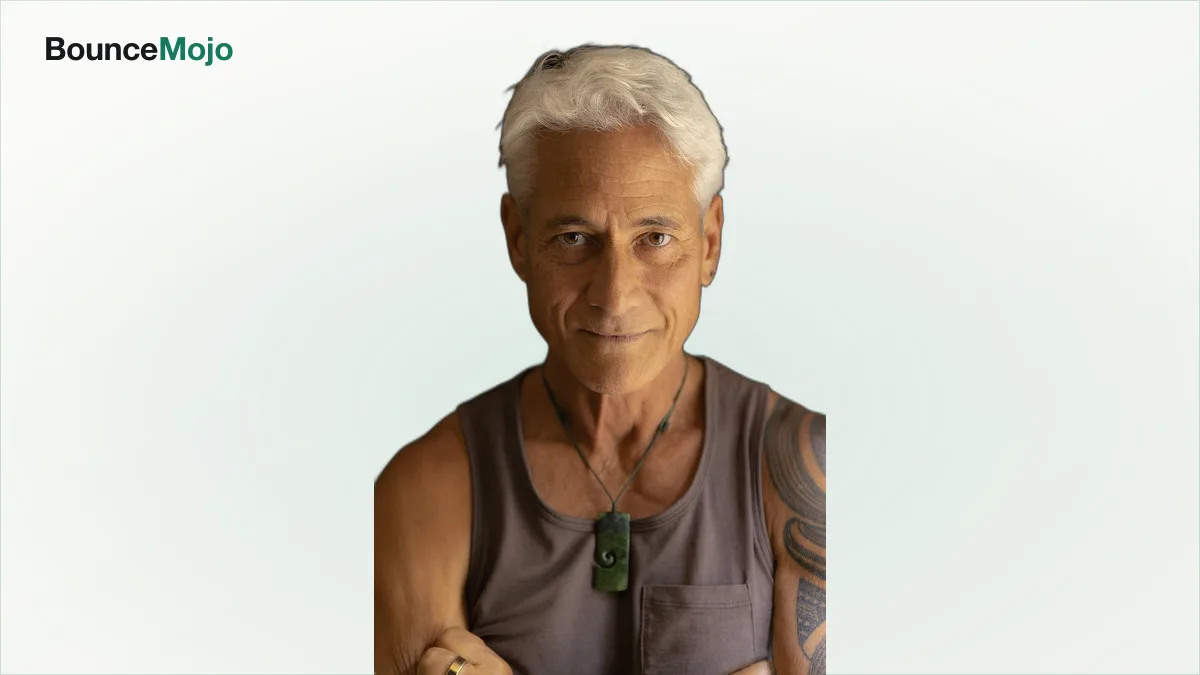
Most people know Greg Louganis as the greatest diver who ever lived, the man who won everything in the pool. That record is real, and it barely scratches what he actually survived.
Here’s what most people miss: while he was dominating the Olympics with a grace no diver has matched, Louganis was carrying secrets so heavy they could have ended his career, his endorsements and, at one terrifying moment, threatened far more than a medal.
The Myth vs. The Reality
The myth is flawless. Greg Louganis: the perfect diver, all elegance and control, entering the water with barely a ripple, sweeping Olympic golds like it was easy. The greatest ever. Roll the highlight reel.
The reality was a war fought in private.
Here’s the deal: while the world watched a serene champion glide off the platform, Louganis was privately battling depression, self-doubt, a hidden sexuality he felt he couldn’t reveal, and eventually an HIV diagnosis at a time when the disease carried a death sentence and crushing stigma. The calm on the board masked a storm underneath.
And the “effortless legend” framing misses the courage entirely. Louganis performed under pressures no scorecard captured, hiding truths that, if revealed in his era, could have destroyed him.
You might be wondering: how does a man carrying that much fear become the most dominant, poised diver in history? To understand that, you have to start with a lonely kid.
The World That Made Greg Louganis
Louganis was born in 1960 and adopted as an infant, growing up in California in a world that often felt hostile.
He struggled with dyslexia, was bullied for his darker complexion and perceived differences, and battled feelings of isolation from a young age. He found escape in movement, in dance, gymnastics and, above all, diving, where his body could express what words and school could not.
Now: the world of elite diving and of 1980s America he was entering was doubly unforgiving. Diving demanded perfection under pressure, a single flawed entry could cost everything. And the broader culture was deeply hostile to gay men, especially as the AIDS crisis spread fear and cruel stigma across the decade.
That world, demanding in the pool and merciless outside it, is the arena a sensitive, bullied kid would come to conquer while hiding who he was. And he’d need a mentor to get there.
But before the golds, there was a teenager finding his gift.
The Crucible: Early Life and the Climb
The Environment That Shaped Him
Diving became Louganis’ sanctuary. His combination of athletic power, dancer’s grace and fearless height turned him into a prodigy fast.
He won a silver medal at the 1976 Montreal Olympics as a teenager, announcing himself to the world. But his path wasn’t smooth. He carried the weight of his hidden identity, personal struggles and immense expectation, all while chasing a level of perfection few athletes ever attempt.
This is crazy: a kid once bullied and made to feel worthless was, by his teens, an Olympic medalist, channeling his pain into a discipline that demanded total control.
Here’s the truth: the talent was obvious early, but the private battles, the ones no one could see, were what he’d have to master to reach the summit. And he couldn’t do it alone.
The Catalyst
The catalyst was the coaching partnership that unlocked his greatness.
Under legendary coach Ron O’Brien, Louganis refined his gifts into total dominance. Denied a chance to compete when the US boycotted the 1980 Games, he channeled everything into the next cycle. By the 1984 Los Angeles Olympics, he was ready to do what no diver had.
That partnership changed everything. It gave a troubled, gifted young man the structure and belief to become the best in the world.
It gets better, and far more dramatic. Louganis was about to sweep the sport, and then, in 1988, survive a terrifying accident while hiding a secret that made it even more harrowing. But that turning point deserves its own telling.
The Key Players
No champion rises alone, and Louganis’ story turns on the people around him.
Ron O’Brien. His coach and mentor was the steadying force who shaped his technique, his discipline and his belief. Their partnership produced the greatest diving career in history.
His adoptive family. The parents who raised him gave him a home, though his early years were marked by the pain of feeling different. His relationship with his family was complex, and part of the emotional weight he carried.
The wider Olympic and LGBTQ+ community. After coming out, Louganis became a hero to countless people who saw their own hidden struggles in his. That community became central to his later life and purpose.
Johnny Chaillot. The man Louganis later married represented the peace and openness he’d spent decades unable to claim, a life lived honestly at last.
Think about it: every one of these relationships pointed toward one truth, that Louganis’ greatest achievement wouldn’t be a dive at all. It would be revealing who he really was. But first came the moment that nearly broke him.
The Turning Point
The Pinnacle
Louganis’ athletic pinnacle is unmatched.
At both the 1984 and 1988 Olympics, he swept the springboard and platform events, winning gold in both at each Games, the only man in Olympic history to do so in consecutive Olympics. He is, by broad consensus, the greatest diver who ever lived.
But the 1988 Games delivered the moment that defined his legend. During the preliminaries, Louganis struck his head on the springboard, suffering a concussion and an open wound. Bleeding and shaken, he composed himself, completed the competition, and won gold anyway.
As his own net worth story explains, that comeback became one of the most famous scenes in Olympic history, the champion who hit his head and still won everything.
The image endured: the greatest diver ever, refusing to be stopped even by his own blood in the water.
The Price
Here’s the kicker: that heroic moment carried a secret terror.
Louganis knew, at the 1988 Games, that he was HIV-positive, a fact unknown to others at the time. When he hit his head and bled into the pool, he was privately terrified about the implications in an era of profound fear and misinformation about the disease. He won gold while carrying a burden almost no one could imagine.
That he performed at the highest level while shouldering that fear is what makes the story staggering. But the cost, the isolation, the secrecy, the dread, was immense. And carrying it alone set up the reckoning to come.
The Unvarnished Truth
Louganis is not a serene, untroubled legend, and treating him that way erases his real courage.
He has been candid about battling depression and suicidal thoughts, about an abusive relationship, about the pain of hiding his sexuality, and about the fear of living with HIV in the 1980s and 1990s. His public poise concealed years of private anguish that would have crushed many people.
Now: none of that is weakness. It’s the opposite. A man who competed at the summit of his sport while carrying depression, secrecy and a life-threatening diagnosis showed a strength no perfect dive could measure.
But the honest version matters. Louganis’ calm exterior hid a life of real struggle, and his eventual decision to reveal it all, knowing the cost to his reputation and income, was an act of extraordinary bravery.
The most honest thing anyone can say about him is this: his greatness in the pool was astonishing, but his greatness came from surviving, and then speaking, what he’d hidden for so long.
Controversies and Criticisms
Louganis’ openness, once it came, sparked controversy in a way that says more about his era than about him.
The 1988 blood revelation. When he later disclosed in his memoir that he’d been HIV-positive when he hit his head and bled at the 1988 Games, some critics reacted with fear and blame, reflecting the era’s misunderstanding of the disease. Medical experts confirmed the risk to others had been negligible, and much of the criticism was rooted in stigma rather than science.
Coming out and its cost. His revelations about being gay and HIV-positive, courageous as they were, effectively confirmed why the endorsement world had kept its distance. The controversy wasn’t about wrongdoing. It was about a society not ready to embrace an openly gay, HIV-positive champion.
The endorsement gap. Observers have long pointed to Louganis as the clearest example of prejudice costing an athlete his rightful earnings. That he dominated so completely yet earned so little became a lasting indictment of how sports marketing treated LGBTQ+ athletes.
The through-line is clear: the controversies around Louganis were rarely about his conduct. They were about the world’s discomfort with his honesty, and history has largely vindicated his courage.
What We Can Learn From Greg Louganis
Navigating Hard Times
The first lesson is about performing under invisible weight: you can achieve greatness even while carrying private pain no one sees. Louganis dominated the Olympics while battling depression, secrecy and a terrifying diagnosis. He teaches that struggle and excellence can coexist, and that hidden battles don’t disqualify you from greatness.
But here’s the truth his story makes plain: the real victory wasn’t the golds. It was surviving the darkness and eventually choosing to speak about it, which took a different, deeper courage than any competition.
The Success Blueprint
If you want the replicable part, it’s this: when the world wouldn’t pay for his talent, Louganis found value in his truth. His bestselling memoir turned the very secrets that cost him endorsements into his most durable achievement.
That’s transferable. The lesson isn’t “win four golds.” It’s “when a system shuts you out, your authentic story can become your greatest asset.” His book and advocacy built a meaningful life and living, and kept him among the enduring names on our richest Olympians list, even without the riches his talent deserved.
Becoming Better
The deepest lesson is about honesty as liberation. Louganis spent decades hiding, and it nearly destroyed him from the inside. Telling the truth, at great cost, set him free and helped countless others.
In other words, he became better, and helped the world become better, by refusing to stay silent. His willingness to reveal his hardest truths turned personal survival into a movement of acceptance.
Final Verdict
Greg Louganis is the greatest diver in history, and that title, remarkable as it is, undersells him. He didn’t just win four golds and survive a bloody head injury to win more. He did it all while hiding a truth that could have destroyed him, and then found the courage to reveal it anyway.
And here’s the twist that reframes everything: the man remembered for flawless, effortless dives was fighting the fight of his life the entire time, out of view. His bravest dive wasn’t off any platform. It was into honesty, in a world not ready to catch him.
If his story teaches anything, it’s that the hardest battles are the ones no judge can score, and that telling your truth, whatever it costs, can be the most heroic act of all. His memoir, Breaking the Surface, is where the champion finally speaks plainly, and it’s essential reading for anyone who wants to understand what real courage looks like. The full picture of how his career and his honesty shaped his living lives in his net worth breakdown, and it’s the rare champion’s ending where the truth he told matters even more than the golds he won.
Shop Greg Louganis on Amazon
Books, audiobooks, merch and more, handpicked for fans.
As an Amazon Associate we earn from qualifying purchases.
Frequently Asked Questions
Where did Greg Louganis grow up?+
Louganis was adopted as an infant and grew up in California. He struggled with dyslexia, bullying and his identity as a young man, long before he became an Olympic champion.
What is Greg Louganis' greatest achievement?+
He is the only man to sweep both diving events in consecutive Olympics, winning springboard and platform gold at both the 1984 and 1988 Games, cementing his status as the greatest diver in history.
What happened to Greg Louganis in 1988?+
During the 1988 Seoul preliminaries, Louganis hit his head on the springboard and suffered a concussion. He recovered to win gold, and later revealed he had been HIV-positive at the time, unknown to others then.
What is Breaking the Surface about?+
It is Louganis' 1995 bestselling memoir, in which he came out as gay and revealed his HIV-positive status, sharing the private struggles behind his public triumphs.
What causes does Greg Louganis support?+
Louganis is a longtime advocate for LGBTQ+ rights and HIV awareness, and is also devoted to animal welfare and dog agility. He auctioned his Olympic medals in 2020 to support causes he cares about.
Want the money side of the story?
Read Greg Louganis's Full Net Worth Breakdown →Shop Greg Louganis on Amazon
Books, audiobooks, merch and more, handpicked for fans.
As an Amazon Associate we earn from qualifying purchases.