Greg LeMond Biography: The American Who Beat Europe and a Shotgun
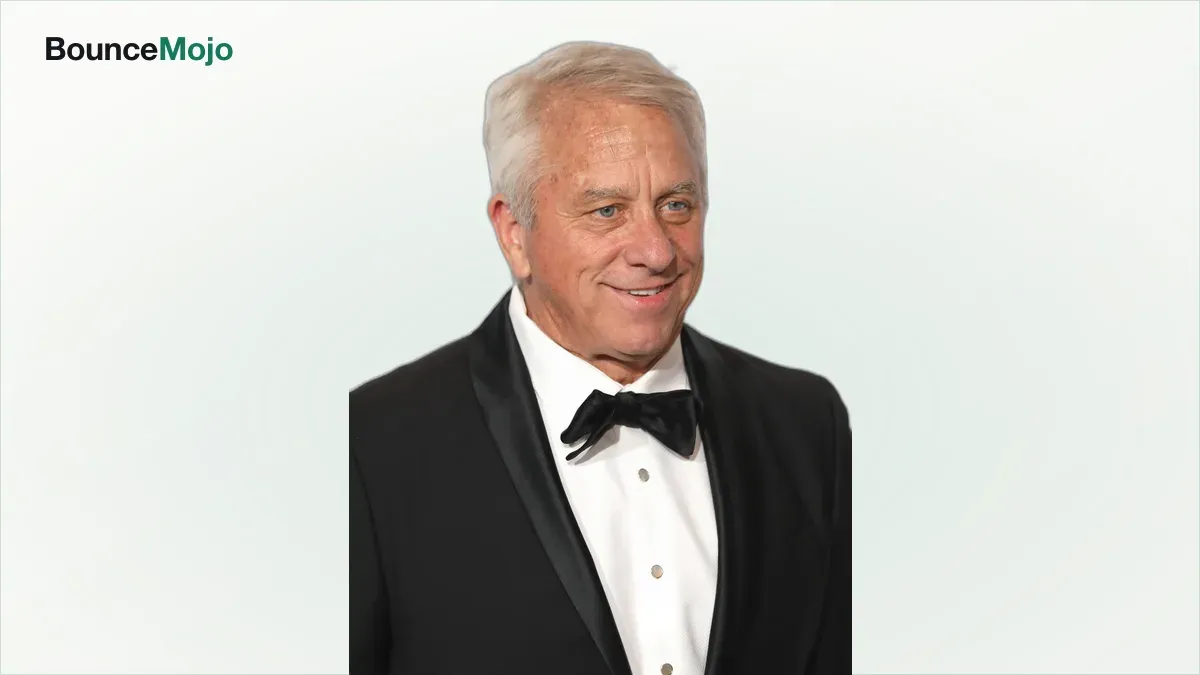
Most people know Greg LeMond as the American who won the Tour de France. That version is true, and it barely scratches the surface.
Here’s what most people miss: LeMond’s story isn’t a clean fairy tale about a kid conquering Europe. It’s about a man who nearly bled to death in a California field, dragged himself back to the top of the sport, and then spent decades paying a price for telling the truth about doping.
The Myth vs. The Reality
The myth is tidy. Greg LeMond: the golden American boy who charmed his way to three Tour titles.
The reality is grittier.
Here’s the deal: LeMond was an outsider in a sport that did not want him. European cycling in the early 1980s was a closed world with its own codes, and an English-speaking kid from Nevada was treated like an intruder. He won anyway, then nearly died, then won again while carrying lead in his body.
Think about it: most athletes get one origin story. LeMond got two, because his career was split in half by a gunshot.
You might be wondering: how does a boy from Lake Tahoe end up carrying American cycling on his back? To understand that, you have to understand where he started.
The World That Made Greg LeMond
LeMond was born in 1961 into an America that barely followed cycling.
In the United States, road racing was a fringe pursuit. The real action was in Europe, in France, Belgium, and Italy, where the Tour de France was a national religion and Americans were nobodies. To make it, an American had to leave home, learn a new language, and survive inside a suspicious peloton.
Now: that gap mattered. LeMond wasn’t just fighting other riders. He was fighting a culture that assumed a Yank could never win their greatest race.
His family had moved to the Nevada side of Lake Tahoe, and the outdoors shaped him. He was a skier first. Cycling entered his life almost by accident, as summer training to keep his legs strong for the slopes.
But that accidental hobby was about to become an obsession.
The Crucible: Early Life and the Climb
The Environment That Shaped Him
Greg LeMond grew up around the mountains near Lake Tahoe, a natural athlete with a competitive streak.
Here’s the truth: he never planned to be a cyclist. He picked up a bike to cross-train for freestyle skiing, and within a short time he was better on two wheels than almost anyone his age in the country. The talent was undeniable, and it pulled him toward Europe fast.
By his late teens he was winning junior world honors. He turned professional and moved into the European system, joining powerful teams and learning the brutal politics of the peloton the hard way.
The Catalyst
Then came the moment that made him a legend and set up the tragedy to follow.
In 1986, riding for the same team as French icon Bernard Hinault, LeMond became the first American to win the Tour de France. The victory came amid an uneasy rivalry with Hinault, who many believed had promised to help LeMond and instead attacked him.
That win changed everything. It proved an American could conquer the sport’s toughest race, and it made LeMond a global name. His fame and earning power from that era still anchor his net worth story. But the peak was about to be interrupted by a near-fatal disaster.
The Key Players
No champion rises alone, and LeMond’s story is full of allies and adversaries.
Bernard Hinault. The French five-time Tour winner was LeMond’s teammate and tormentor, a rival whose ambiguous promises and attacks defined LeMond’s 1986 triumph.
Kathy LeMond. His wife and steadfast partner, who was at his side through the shooting, the recovery, and the business battles that followed. She became a business partner as much as a spouse.
His brother-in-law. The man whose accidental shotgun blast on a turkey hunt nearly killed LeMond in 1987, a family tragedy that reshaped his life.
Lance Armstrong. The rider who would later become LeMond’s greatest adversary, not on the road but in the war over doping and truth.
Think about it: every one of these relationships carried a cost. LeMond’s biggest wins and deepest wounds both came from people close to him.
The Turning Point
The Pinnacle
LeMond’s comeback is one of the great stories in sports.
In April 1987, while hunting turkey, he was accidentally shot, taking roughly 60 pellets, some lodging near his heart and lung lining. He lost a huge amount of blood and nearly died in the field. Doctors could not remove all the pellets, and he carried some for the rest of his life.
Two years later, still recovering, he won the 1989 Tour de France by eight seconds, the closest margin in the race’s history, catching his rival on the final-day time trial using pioneering aerodynamic handlebars. He won a second world title that year and defended his Tour crown in 1990.
The Price
Here’s the kicker: the comeback cost him his body.
LeMond was never fully the same rider physiologically. The pellets, the blood loss, and later health issues, including what he described as mitochondrial problems, drained the raw engine that had made him great. He faded from the top and retired in 1994.
That is the price of survival. He got his life and his legend back, but the shooting quietly ended his peak years early. And the next fight would cost him even more.
The Unvarnished Truth
LeMond’s life has not been all triumph, and honesty demands the harder parts.
He has spoken openly about carrying deep personal trauma, including revealing publicly that he was sexually abused as a child. That disclosure came decades later and reframed the private demons he battled during his racing years. It took real courage to say it out loud.
Now: this is not gossip, it is the human core of his story. LeMond has been candid that the pressure of professional cycling collided with unresolved pain, and that his outward success masked private struggle.
There is also the toll of his crusade. His stand against doping isolated him within his own sport for years, cost him business, and made him a target. He paid emotionally for refusing to stay quiet.
Controversies and Criticisms
LeMond’s honesty made him powerful enemies.
The Armstrong feud. LeMond publicly doubted the credibility of Lance Armstrong’s performances long before Armstrong’s doping was confirmed. Armstrong hit back, and LeMond’s business relationships, including his Trek partnership, suffered as a result.
The Trek fallout. LeMond’s licensing deal with Trek turned bitter, partly over his outspoken doping comments, and ended in a lawsuit and a 2010 settlement that returned control of his name.
Being “difficult.” Critics in cycling painted LeMond as bitter or obsessive for refusing to let the doping issue drop. History largely vindicated him.
The rivalry with Hinault. The lingering resentment over the 1986 Tour has followed both men for decades, a feud fans still debate.
What We Can Learn From Greg LeMond
Navigating Hard Times
The first lesson is about survival. LeMond took a shotgun blast to the chest and came back to win the Tour de France. Almost no one recovers from that.
Here’s the truth: he refused to let the worst day of his life be his last chapter. He rebuilt his body, his career, and eventually his fortune, one hard season at a time.
The Success Blueprint
If you want the replicable part, it is this: LeMond turned his name into an asset. He understood that racing income ends but a brand can pay forever, so he licensed his name and built bicycle companies around it.
That is transferable. The lesson isn’t “win the Tour.” It’s “own the thing that carries your name.” That instinct put LeMond among the wealthiest names on our richest Olympians ranking, long after he stopped racing.
Becoming Better
The deepest lesson is about telling the truth when it costs you. LeMond spoke out against doping when it made him a pariah, and he was proven right.
In other words, integrity can look like failure for a long time before it looks like vindication. The full story of how LeMond turned survival and honesty into a lasting fortune lives in his net worth breakdown.
Final Verdict
Greg LeMond is one of the most important figures in the history of American sport, and his story is far darker and braver than the highlight reels suggest. He conquered a sport that rejected him, survived a near-fatal shooting, and then spent decades defending the truth at enormous personal cost.
And here’s the twist that reframes his whole career: the man remembered for winning by eight seconds actually won a much longer race, the one for his own reputation and peace. He carried lead near his heart and old wounds in his mind, and he still built a life and a brand that endure.
Remember LeMond not just as the first American in yellow, but as a survivor who kept telling the truth when silence would have paid better. His life is a study in resilience, and proof that the hardest victories are rarely the ones on the scoreboard.
Shop Greg LeMond on Amazon
Books, audiobooks, merch and more, handpicked for fans.
As an Amazon Associate we earn from qualifying purchases.
Frequently Asked Questions
Where is Greg LeMond from?+
Greg LeMond was born in Lakewood, California, in 1961 and grew up largely in Nevada near Lake Tahoe, where he took up cycling as cross-training for skiing before becoming obsessed with the sport.
What is Greg LeMond famous for?+
LeMond is famous as the first American to win the Tour de France, which he did three times (1986, 1989, 1990). His 1989 win by eight seconds is the closest in the race's history.
What happened to Greg LeMond in the hunting accident?+
In 1987, LeMond was accidentally shot during a turkey hunt, taking roughly 60 shotgun pellets, some near his heart and lining. He nearly died, and several pellets remained in his body for the rest of his life.
Why did Greg LeMond clash with Lance Armstrong?+
LeMond was an early and vocal critic of doping in cycling and questioned Armstrong publicly. The feud cost LeMond business relationships for years before Armstrong's doping was confirmed.
Did Greg LeMond have a business after cycling?+
Yes. He built LeMond Bicycles, licensed his name to Trek in a deal worth over $100 million in revenue, and later founded LeMond Carbon, a carbon-fiber manufacturing venture.
Want the money side of the story?
Read Greg LeMond's Full Net Worth Breakdown →Shop Greg LeMond on Amazon
Books, audiobooks, merch and more, handpicked for fans.
As an Amazon Associate we earn from qualifying purchases.