Grand Duke Henri: The Monarch Who Said No and Lost the Power
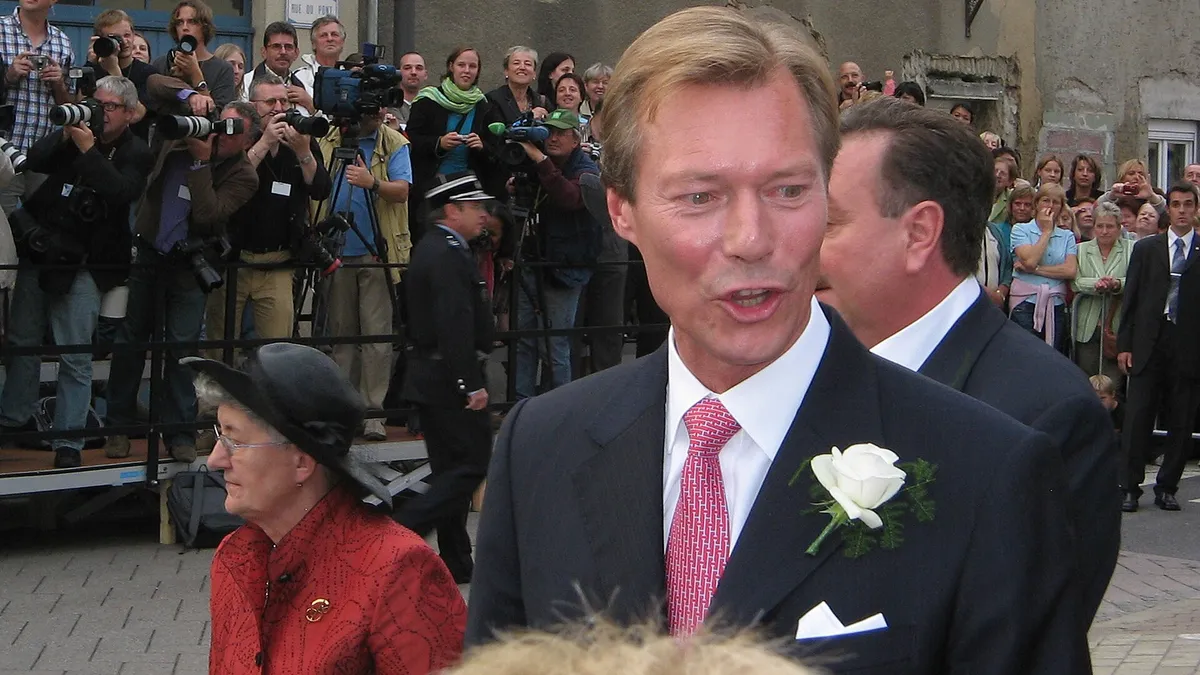
In 2008 the Grand Duke of Luxembourg refused to sign a law. Within weeks, parliament had taken away his ability to refuse anything ever again.
It is the most consequential thing he did in twenty-five years on the throne, and it is a useful reminder of what constitutional monarchy actually means once someone tests it.
The Euthanasia Bill
Luxembourg’s Chamber of Deputies passed legislation legalising euthanasia. Under the constitution as it then stood, the grand duke’s assent was required for a bill to become law.
Henri, a practising Catholic, told the government he could not in conscience give it.
The response was not compromise. Parliament amended the constitution to strip the monarch of the power of assent, leaving him only the formal act of promulgation. The law passed. The reform stood.
His father’s generation of European monarchs had inherited assent as a theoretical power everyone understood would never be used. Henri used it, and in doing so demonstrated why it had survived: because nobody had tried. The moment it became real, it was abolished.
Before the Throne
He was born in 1955 at Betzdorf Castle, the eldest son of Grand Duke Jean.
The education followed the pattern of his class and generation: schooling in Luxembourg and France, then the Royal Military Academy Sandhurst, then political science in Geneva. It was in Geneva that he met Maria Teresa Mestre, born in Havana in 1956 to a family that left Cuba after the revolution. They married in 1981.
A Cuban-born grand duchess was not what Luxembourg’s establishment had in mind, and the marriage attracted comment at the time. It lasted, and she became one of the more visible European consorts, particularly on humanitarian work.
Henri succeeded his father on 7 October 2000, after Jean abdicated. Abdication is the family habit rather than the exception.
Stepping Down
In October 2024 he appointed his son Guillaume as lieutenant-representative, a constitutional device allowing an heir to take on the working functions of head of state ahead of the succession. It is the Luxembourgish way of announcing an abdication a year before it happens.
The handover came on 3 October 2025. Guillaume became Guillaume V. Henri was seventy, in reasonable health, and stepped back on a schedule of his own choosing.
He also remains, by every published estimate, the wealthiest royal in Europe, because the family fortune was never attached to the office he gave up. That distinction, between what a monarch owns and what a monarch merely holds, runs through his whole story. It cost him a veto in 2008 and it preserved his balance sheet in 2025.
Shop Grand Duke Henri on Amazon
Books, audiobooks, merch and more, handpicked for fans.
As an Amazon Associate we earn from qualifying purchases.
Frequently Asked Questions
What happened in 2008?+
Henri told the government he could not in conscience give assent to a bill legalising euthanasia, which parliament had passed. Rather than accept the block, the Chamber of Deputies amended the constitution to remove the monarch's power of assent altogether, reducing the role to promulgation.
When did he abdicate?+
On 3 October 2025, in favour of his son, who became Guillaume V. He had signalled it a year earlier by appointing Guillaume as lieutenant-representative.
Who is Maria Teresa?+
Maria Teresa Mestre, born in Havana in 1956, whose family left Cuba after the revolution. She met Henri while both were students in Geneva and they married in 1981, making her Luxembourg's first Cuban-born grand duchess.
How long did he reign?+
Just under 25 years, from 7 October 2000 to 3 October 2025. He succeeded his father, Grand Duke Jean, who had also abdicated rather than reigned until death.
Want the money side of the story?
Read Grand Duke Henri's Full Net Worth Breakdown →Shop Grand Duke Henri on Amazon
Books, audiobooks, merch and more, handpicked for fans.
As an Amazon Associate we earn from qualifying purchases.