Fernando Torres Biography: Peaked Early, Left on His Own Terms
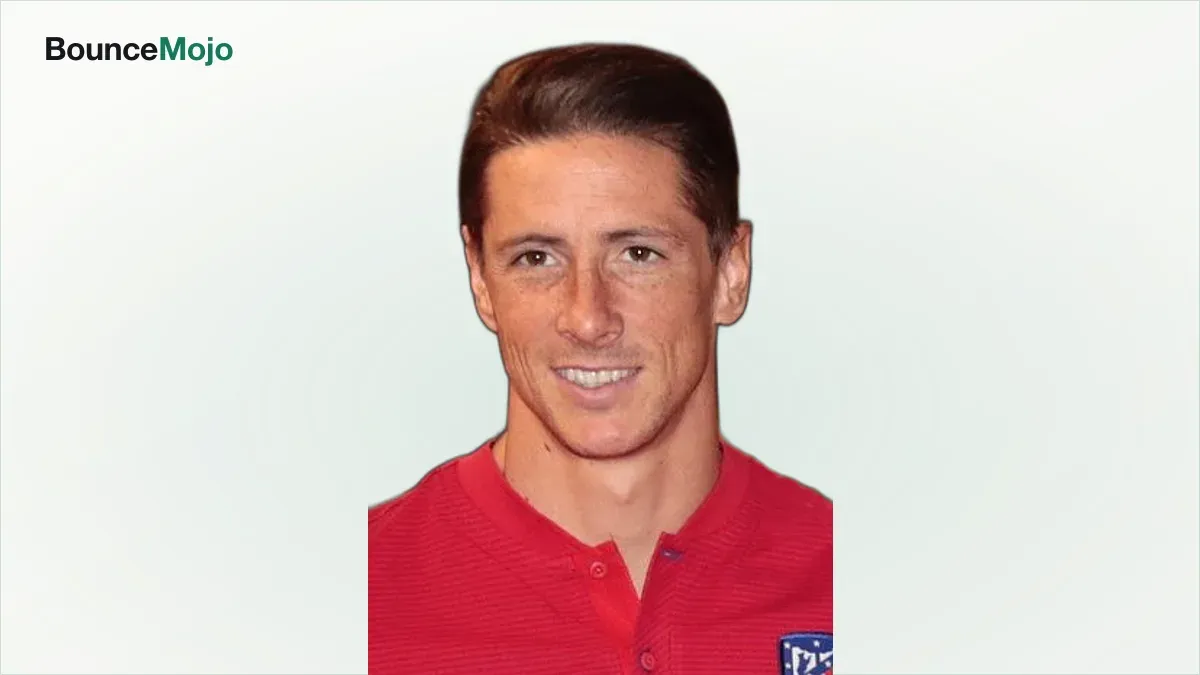
Most people remember Fernando Torres as the blond striker who terrorized defenses at Liverpool. Fewer talk about how a record transfer nearly erased the player he’d been.
Here’s what most people miss: the man who scored the goal that won Spain a European Championship spent the second half of his career trying to become himself again.
The Myth vs. The Reality
The myth is bittersweet. Fernando Torres: the golden boy of Spanish football, ‘El Nino,’ a lethal striker who won everything for his country and then, somehow, lost his magic after a huge move to Chelsea.
The reality is more human than the “he flopped” shorthand allows.
Here’s the deal: Torres didn’t simply decline. He peaked early and intensely, burned through his sharpest years in a physically punishing style, and then paid for it with a body that couldn’t sustain the level. The record transfer to Chelsea in 2011 gets blamed for everything, but the truth is that the striker who arrived was already carrying miles that the fee couldn’t buy back.
And the “wasted talent” narrative misses the medals. This is a man who won a World Cup and two European Championships with Spain, and scored the goal that started the whole golden run. Few careers are so decorated and so mourned at once.
You might be wondering: how does a boy who lived his dream at his boyhood club end up defined by what he lost rather than what he won? To understand that, you have to understand the world he came from.
The World That Made Fernando Torres
Torres was born in 1984 in Fuenlabrada, a working-class suburb south of Madrid, into a family of modest means and a deep love of football.
He fell for Atletico Madrid as a boy, the perennial underdog to city rivals Real, and that identity, loyal, striving, forever chasing the giants, shaped him. When he joined Atletico’s academy, he wasn’t just chasing a career. He was chasing a childhood dream.
Now: the Spain of his youth was on the verge of a football revolution. For decades the national team had been perennial underachievers, gifted but cursed at tournaments. Torres came of age just as that curse was about to break, part of a generation that would finally make Spain the best team in the world.
He rose in an era when the Premier League and Spain’s giants were pulling in enormous money, and strikers who could deliver became global commodities. Torres, young, handsome and lethal, was exactly the kind of star the modern game was built to sell.
That backdrop, an underdog club’s dream and a nation about to conquer the world, is the key to everything he became. But first he had to carry a heavy load far too young.
The Crucible: Early Life and the Climb
The Environment That Shaped Him
Torres progressed rapidly through Atletico’s youth ranks, and his talent was obvious early. But Atletico were a struggling club, and they leaned on their young star hard.
Here’s the truth: he was handed the captain’s armband as a teenager, made the face and the hope of a big club in a difficult period. That’s an enormous weight for a kid, and Torres carried it, dragging Atletico through tough seasons with his goals.
He played with a fearless, all-action style, sprinting in behind defenses, absorbing contact, running channels relentlessly. It made him thrilling. It also began wearing on his body earlier than anyone noticed.
The Catalyst
The move that launched him to global stardom came in 2007, when he joined Liverpool. Freed from carrying a struggling side alone, and paired with Steven Gerrard, Torres exploded, scoring at a rate that made him one of the most feared strikers on earth.
It gets better. In 2008, he scored the only goal in the Euro 2008 final, ending Spain’s long wait for a major trophy and igniting the greatest era in the nation’s football history.
That’s where the legend truly formed. But the men who shaped him, and the era that both crowned and cursed him, are the next part of the story.
The Key Players
No striker rises alone, and Torres’ story is full of people and one team that defined him.
Atletico Madrid. More a character than a club in his story. His boyhood love, the place he began and, fittingly, the place he ended. Atletico is the emotional spine of his career.
Steven Gerrard. At Liverpool, Torres and Steven Gerrard formed one of the most devastating partnerships in the Premier League. Gerrard’s passing and Torres’ running were a perfect match, and their years together were Torres at his absolute peak.
The Spanish golden generation. Torres was one star among many, playing alongside legends in a Spain side that won three straight major tournaments. That collective glory gave his career its greatest triumphs.
Diego Simeone. Diego Simeone, his Atletico manager on his return, helped Torres come home and find peace at the end of his career, closing the circle at the club where it began.
Think about it: every one of these relationships points to the same theme, a player at his best when the weight was shared and at his most fragile when it wasn’t. That tension defined his peak.
The Turning Point
The Pinnacle
The 2008 to 2010 stretch is Torres’ mountaintop.
At Liverpool he was arguably the best striker in the world, and with Spain he won Euro 2008, scoring the decisive goal, then lifted the 2010 World Cup. He would add Euro 2012 to the collection. For a few golden years, Torres had it all: club stardom, international glory, and a global brand.
That run made him a legend. As his net worth story explains, it also set up the record transfer that defined his fortune.
The Price
Here’s the kicker: the peak was the beginning of the fall.
In January 2011, Chelsea paid a British-record 50 million pounds for Torres. But the sharp, explosive striker was already fading, worn down by years of high-intensity football. At Chelsea, the goals dried up. The weight of the fee became a burden, and the player who had terrorized defenses looked, at times, lost. The pinnacle was real and glittering. The price was watching his own decline play out in the most expensive spotlight in football.
Which brings us to the harder truths beneath the highlight reel.
The Unvarnished Truth
Torres was a phenomenon, but his story is one of fragility as much as brilliance.
His body betrayed him early. The style that made him great, relentless running and physical duels, aged him faster than most strikers. By his late 20s, the explosiveness that defined him had dimmed, and no amount of effort fully brought it back.
Now: none of this is failure in any real sense. A man who won a World Cup, two Euros, and a Champions League at Chelsea has nothing to apologize for. But the gap between what he was at Liverpool and what he became afterward is one of football’s quieter heartbreaks.
His most human quality was how he handled it. Rather than chase money endlessly or cling to fading status at a big club, Torres eventually went home to Atletico, then played a couple of well-paid, low-pressure seasons in Japan before retiring on his own terms. There’s a dignity in that most stars never manage.
The most honest thing to say about him is this: his greatest strength, an all-or-nothing intensity, was also what shortened his prime. He gave everything early, and everything has a cost.
Controversies and Criticisms
Torres was rarely a scandal figure, but his career drew real debate.
The Chelsea flop. The 50-million-pound striker who couldn’t score became a symbol of transfer waste. Critics were harsh, often ignoring how worn down he already was. Fair or not, “Chelsea flop” shadowed his later years.
Wasted potential. Many felt Torres should have been an all-time great and fell short. The truth is more complicated: he was brilliant early and simply couldn’t sustain it, but the “what could have been” narrative followed him.
The Liverpool exit. His move from Liverpool to Chelsea angered Liverpool fans, who felt betrayed by a beloved striker joining a rival. The transfer permanently colored how some supporters remember him.
Comparisons to peers. Torres was measured against strikers who aged better, and against Chelsea teammates like Didier Drogba, whose late-career longevity made Torres’ early fade look starker by contrast.
What We Can Learn From Fernando Torres
Navigating Hard Times
The first lesson is accepting decline with grace. Torres could have raged against his fading powers or chased one big payday after another. Instead he went home, wound down on his own terms, and left the game with his dignity intact.
But here’s the truth his career makes plain: not every hard time can be fixed by fighting harder. Sometimes the honest move is to accept what’s changed and choose your ending. Torres did, and that peace is its own kind of victory.
The Success Blueprint
If you want the replicable part, it’s this: Torres maximized a short peak. He didn’t have a 15-year prime, so he made his best years count, a World Cup, two Euros, and a record transfer, all banked before the decline set in.
That’s transferable. Peak windows are shorter than anyone wants to believe. Cash yours while it’s open, win what you can, and don’t assume the good years will wait. His placement among the wealthiest names on our richest soccer players ranking proves how well that early peak paid off.
Becoming Better
The deepest lesson is about identity beyond the highlight reel. Torres’ worth as a person was never really the goals. He stayed grounded, family-focused, and loyal to the club he loved, and when the football ended, he went back to help raise the next generation of Atletico players.
In other words, define yourself by more than your best season, because every peak ends. Torres knew who he was beyond the goals, and that’s why his ending feels like peace rather than loss.
There’s one more lesson buried in how he played, and it’s a warning as much as a blueprint. Torres gave everything, all the time, sprinting into every channel, throwing his body into every duel. It made him electric, and it burned him out early. The uncomfortable truth is that intensity has a price, and the very trait that makes someone brilliant can be the one that shortens their run. The wiser path isn’t to hold back, it’s to understand the cost of how you spend yourself, and to plan for the day the tank runs low. Torres didn’t get that warning in time as a player. He built the rest of his life around having learned it.
Final Verdict
Fernando Torres is one of the most beloved strikers of his generation, and one of its most poignant stories, and the two things are inseparable. He won the biggest trophies in the game, scored the goal that launched Spain’s golden era, and then spent his later years as a gentler, fading version of the phenomenon he’d been.
And here’s the twist that reframes everything: the boy who lived his dream at his boyhood club, carried a giant’s hopes as a teenager, and conquered the world with Spain, chose to end it all right back where he started, on his own terms, with his dignity whole. The full picture of how he turned that brilliant, bittersweet career into a lasting $90 million fortune lives in his net worth breakdown, and it’s the rare football story where the quiet ending is as admirable as the dazzling beginning.
Shop Fernando Torres on Amazon
Books, audiobooks, merch and more, handpicked for fans.
As an Amazon Associate we earn from qualifying purchases.
Frequently Asked Questions
Where did Fernando Torres grow up?+
Fernando Torres grew up in Fuenlabrada, a working-class suburb of Madrid. A lifelong Atletico Madrid fan, he joined the club's academy as a boy and rose to captain the first team as a teenager.
Why is Torres called 'El Nino'?+
Torres earned the nickname 'El Nino' (The Kid) because of his youthful looks and how young he was when he broke into Atletico Madrid's first team and was handed the captain's armband.
What were Torres' biggest international moments?+
Torres scored the winning goal in the Euro 2008 final for Spain and was part of the squads that won the 2010 World Cup and Euro 2012, a golden era of Spanish football.
Did the Chelsea transfer hurt Torres' career?+
In many ways, yes. Torres' form declined sharply after the record 50-million-pound move to Chelsea in 2011. The weight of the fee and a loss of sharpness meant he never fully recaptured his Liverpool best.
How did Torres end his career?+
Torres returned to Atletico Madrid, then played in Japan for Sagan Tosu before retiring in 2019. He later moved into coaching and youth development at Atletico, the club he loved.
Want the money side of the story?
Read Fernando Torres's Full Net Worth Breakdown →Shop Fernando Torres on Amazon
Books, audiobooks, merch and more, handpicked for fans.
As an Amazon Associate we earn from qualifying purchases.