Dwayne Johnson Biography: The Seven-Dollar Comeback Behind The Rock
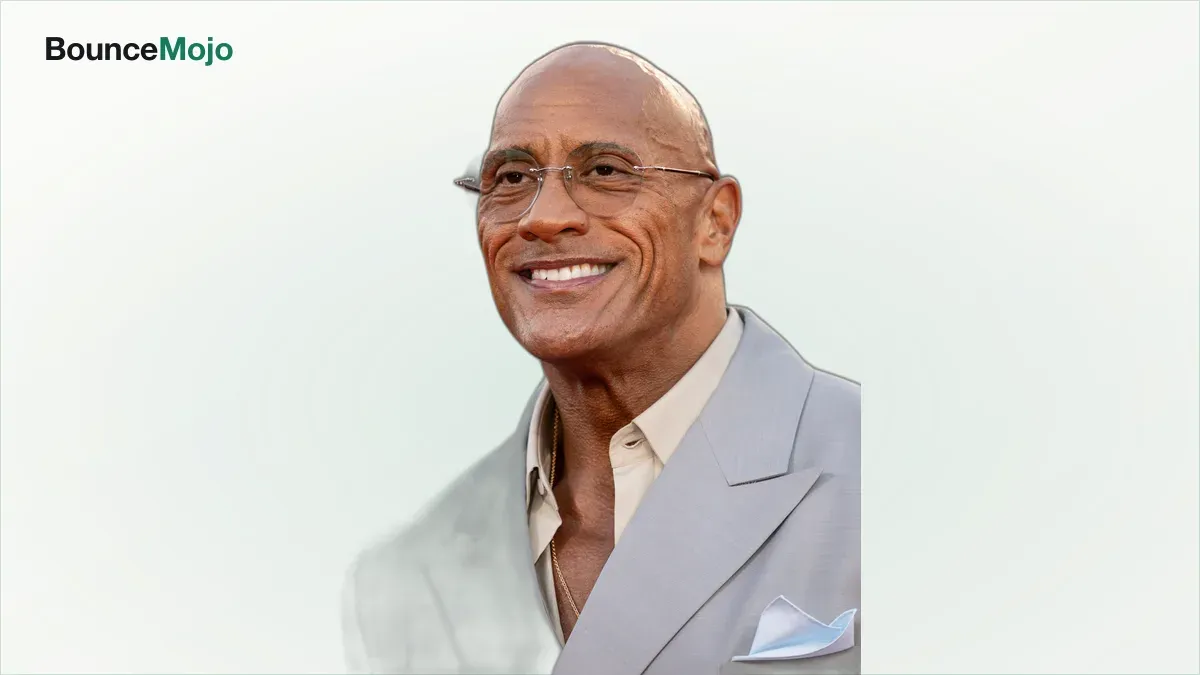
The résumé of Dwayne Johnson, read in order, is mostly a list of rejections. The man worth an estimated $800 million has been turned down more times than most people ever attempt anything.
Cut by Calgary, Seven Dollars in His Pocket
Football was his first love and his first escape. He was a standout defensive lineman who earned a scholarship to the University of Miami and joined a powerhouse program that won the national championship in 1991. It was supposed to be his ticket to the NFL and a life with nothing to do with the family business.
Then a back injury and a talented replacement named Warren Sapp pushed him down the depth chart. He went undrafted. He signed with the Calgary Stampeders of the Canadian Football League as a last resort and was cut two months into the season.
At 23 he moved back into his parents’ place with, by his own account, seven dollars in his pocket. The plan he had built his entire identity around had simply failed.
That number would haunt him, and then it would name a company.
Born Into the Business, Raised on the Road
Johnson was born in 1972 into the strangest kind of family business: professional wrestling.
His father, Rocky Johnson, was a trailblazer, one half of the first Black tag-team champions in WWE history. His maternal grandfather, Peter Maivia, was a Samoan wrestling legend, and his grandmother Lia Maivia was one of the first female wrestling promoters. He was not raised around the business. He was raised inside it.
That meant constant motion: California, New Zealand with his mother’s Samoan family, Hawaii, Tennessee, Pennsylvania, following the territories and the paychecks. He was always the new kid, often one of the only brown faces in the room, and he learned early that the way to survive was to be bigger, louder, and harder to ignore.
It also meant instability. The family sometimes struggled for money, and he got into real trouble as a teenager, fighting, theft, multiple arrests before he was 17. He has talked openly about the night the family was evicted from a Honolulu apartment.
A proud wrestling bloodline and a broke, rootless childhood: he inherited the business and had to earn everything else.
”Die, Rocky, Die”
Broke and out of options, he did the one thing he had sworn he would not, and called on the family.
His father was reluctant. Rocky knew how brutal the wrestling life was and did not want his son swallowed by it, but he trained him anyway, and in 1996 Dwayne debuted in the WWF as Rocky Maivia, a name stitched together from his father and grandfather.
It bombed. The character was too clean, too smiley, and crowds turned on him hard enough to chant “Die, Rocky, die.” Then management let him go heel, and out of that rejection emerged “The Rock,” a cocky, electric, trash-talking superstar who could work a microphone like nobody in the business. He became the biggest draw in wrestling.
The people who handed him the tools are worth naming. Rocky Johnson was his first trainer and his blueprint, a Black pioneer who broke barriers so his son could inherit a bigger stage; their relationship was complicated and sometimes strained, but the debt is undeniable, and Rocky’s death in 2020 moved Dwayne to speak publicly about what he owed him. Peter and Lia Maivia rooted him in Samoan wrestling royalty and a promoter’s business instincts. Vince McMahon gave The Rock the platform, the storylines, and the megaphone that turned him into a global name.
Walking Away From the Ring at His Peak
The pivot came in 2000, when The Rock hosted Saturday Night Live and Hollywood noticed. A cameo in The Mummy Returns led to the lead in The Scorpion King in 2002, and Johnson made a bet almost no wrestler had pulled off: he left the ring at the height of his drawing power to chase movies.
The early films were hit and miss. He kept grinding, and by the 2010s he had reinvented himself as the Fast & Furious franchise’s biggest weapon and one of the highest-paid actors alive.
He also has not been shy about the criticism that came with it. He has admitted using steroids as a young wrestler chasing the ideal body. Critics say his acting range is narrow, that he too often plays a version of himself, and that his insistence on never truly losing on screen, the so-called “franchise Viagra” clause, protects the brand at the expense of good storytelling.
Teremana, Seven Bucks, and Owning the Thing Instead of Renting It
The single most important figure in converting his fame into a fortune is Dany Garcia, his college girlfriend and first wife, who became his manager after their amicable divorce and co-founded Seven Bucks Productions with him. The point of the company was simple: get paid as an owner on his own films rather than as hired talent.
Teremana Tequila followed in 2020 and scaled into the billions. As his net worth breakdown lays out, the tequila alone may end up worth more than his entire acting career, which is why he leads our richest wrestlers ranking. He stopped renting out his fame and started owning the brands it sold: production company, tequila, apparel line. It is the same equity-over-fee logic behind the biggest fortunes on our richest athletes list.
The other transferable part is harder to copy: in wrestling, in Hollywood, and in business he won by being unmistakably himself at maximum volume. Authenticity, weaponized, is the real moat.
Vin Diesel, the XFL, and the Reports About Lateness
Not everything holds up to the highlight reel.
His public falling-out with Fast & Furious co-star Vin Diesel spilled onto social media, with Johnson calling out behind-the-scenes behavior, and it exposed a competitive, territorial side beneath the friendly image. He has clashed with co-stars elsewhere too, and critics see a man so focused on control that spontaneity gets squeezed out.
His group bought the relaunched XFL football league, which then merged with a rival and struggled, a reminder that the golden touch has limits outside entertainment. He has repeatedly been floated, and floated himself, as a possible U.S. presidential candidate; critics questioned whether celebrity and likability are qualifications, others saw genuine civic interest, and he has since cooled on the idea. Reports have also surfaced accusing him of chronic lateness on set, which he and his team have pushed back on. Whatever the truth, it dented the tireless-professional image.
Most of it traces back to the same instinct. When you have been broke and booed, protecting the brand is not vanity, it is fear management. When you have been the new kid in ten schools, being universally liked is not shallow, it is armor. His greatest strength and his biggest limitation are the same trait: relentless self-control. It built the empire and, at times, boxed in the man.
What He Has Said About the Depression
Johnson has been candid about depression, tracing it back to that broke, rejected young man and to a mother who attempted suicide during his teens. The work ethic fans admire, the 4 a.m. workouts and the punishing schedule, is partly a man outrunning the fear of ending up with nothing again.
The pace cost him time and, for a while, his first marriage, though he and Garcia rebuilt it into a business partnership. His openness about all of it reframed him from a cartoon of strength into a person, and probably did more for his fans than any amount of muscle. Strength and vulnerability were never opposites.
“Self-made” does real work in his story. He inherited a famous name and a hard road, and out-worked, out-branded, and out-owned nearly everyone who started with more. The richest wrestler in the world made his real money nowhere near a wrestling ring: the ring built the name, the name built the movies, the movies built the leverage, and the leverage built an ownership empire that may soon be worth more than all of it combined.
For the early chapter in his own words, his memoir The Rock Says… (2000) captures the young performer before the Hollywood machine took over, still hungry, still remembering exactly how little he once had.
Shop Dwayne Johnson on Amazon
Books, audiobooks, merch and more, handpicked for fans.
As an Amazon Associate we earn from qualifying purchases.
Frequently Asked Questions
Was Dwayne Johnson a football player?+
Yes. He was a defensive tackle at the University of Miami and part of the 1991 national championship squad. He went undrafted by the NFL and was cut by the Canadian Football League, which pushed him toward wrestling.
Why is Dwayne Johnson's company called Seven Bucks?+
After being cut from the Calgary Stampeders, Johnson famously had just seven dollars in his pocket. He named Seven Bucks Productions after that low point as a reminder of how far he had come.
Is Dwayne Johnson from a wrestling family?+
Yes. His father was wrestler Rocky Johnson, one half of the first Black tag-team champions in WWE history, and his maternal grandfather was Samoan legend Peter Maivia, making Dwayne a third-generation wrestler.
Want the money side of the story?
Read Dwayne Johnson's Full Net Worth Breakdown →Shop Dwayne Johnson on Amazon
Books, audiobooks, merch and more, handpicked for fans.
As an Amazon Associate we earn from qualifying purchases.