Dale Earnhardt Jr. Biography: The Son Who Escaped a Legend's Shadow
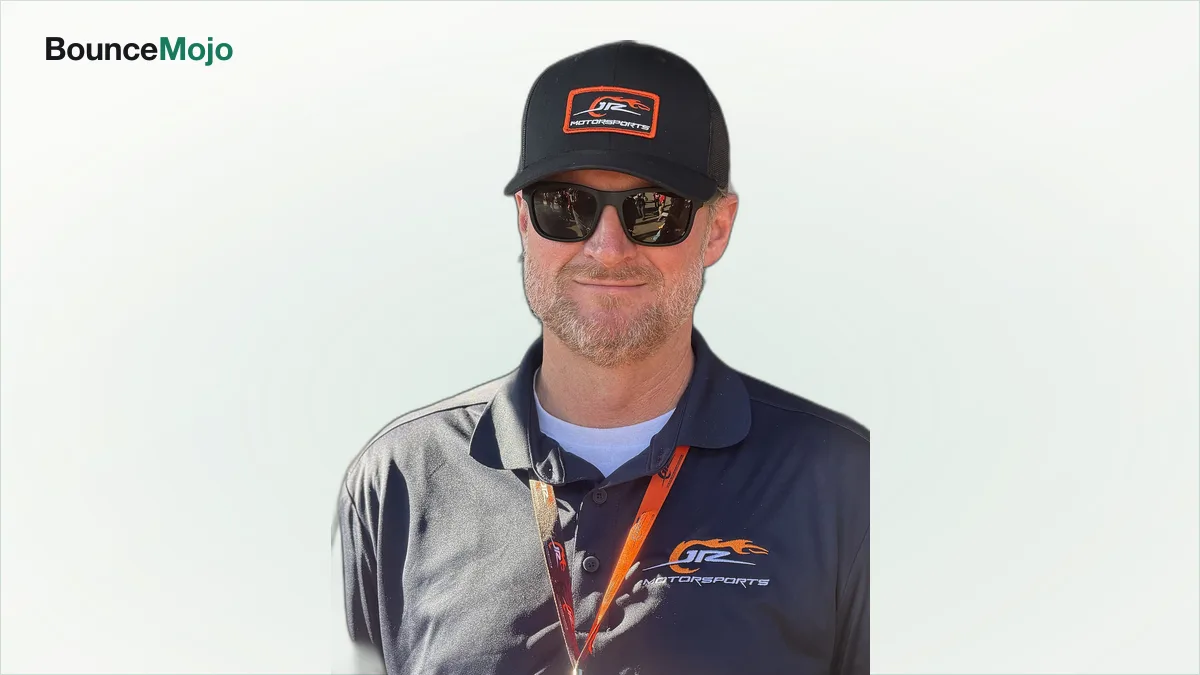
Start at the end of the driving, not the beginning. It is the only way to see what Dale Earnhardt Jr. actually built, because the last chapter is the one that finally belongs entirely to him.
He Got Out of the Car in 2017, and Then Got Bigger
Dale Jr. retired from full-time Cup racing after the 2017 season, citing the effects of a series of concussions sustained over his career. Those injuries had accumulated for years, and at points he kept racing through symptoms, a decision he has since reflected on candidly as he became an advocate for driver safety and for honest conversation about head injuries. The end of his driving career arrived on the injuries’ timeline, not his.
What came next was the part nobody predicted for the shy kid. He became a NASCAR analyst for NBC Sports. He co-owns JR Motorsports, run by his half-sister Kelley Earnhardt Miller, a sharp businesswoman who has been one of the most important figures in turning the Earnhardt name into a lasting enterprise. He and his wife Amy Earnhardt co-founded Dirty Mo Media, the company behind his podcast.
The pattern in all three is ownership. He was handed a name, not a fortune, and he converted it into businesses he owns rather than jobs he holds. The full net worth breakdown shows how two Daytona wins and a record run of popularity became a nine-figure business built on that principle, and the richest race car drivers list puts the total in context against the sport’s biggest fortunes.
Daytona, 2004 and 2014
Before the second act, there were the wins that made it possible, and they came at the track most tied to his family.
In 2004, Dale Jr. won the Daytona 500, NASCAR’s biggest race. A decade later, in 2014, he won it again, cementing his place among the sport’s elite and earning the nickname the “Pied Piper of Daytona.” Across his career he won dozens of Cup races and was voted NASCAR’s Most Popular Driver an unprecedented number of times, a connection with fans no rival could match. Rick Hendrick, the owner of Hendrick Motorsports, gave him a home through those peak years and remained a steady mentor figure long after.
The loudest criticism of him lived in the gap between those two lists. He won the popularity award year after year while going through stretches without wins, and some argued his fame was inherited rather than earned, that it outran his results. His on-track record was genuinely uneven at points. His two Daytona 500 titles answer the charge about as firmly as it can be answered.
The comparison to his father was harder to escape. Every win, every loss, every decision got measured against The Intimidator, a standard no driver could fully meet.
The Final Lap of the 2001 Daytona 500
The defining moment of his life was not a victory.
On the final lap of the 2001 Daytona 500, Dale Earnhardt Sr. crashed and was killed. The most feared driver in NASCAR history died at the sport’s most famous race, and his son had to grow up, grieve and lead all at once, in the harshest possible spotlight. Dale Jr. became not just a driver but the emotional center of a sport processing its greatest loss.
He had reached the Cup Series only the season before. He would go on to become the face of NASCAR, and he did it while carrying a grief the whole sport shared.
Before That: Kannapolis, a Boarding School, and a Father He Mostly Met at the Track
Dale Jr. was born on October 10, 1974, in Kannapolis, North Carolina, into a racing bloodline. His grandfather, Ralph Earnhardt, was a respected short-track racer. His father, Dale Sr., was on his way to becoming the most feared driver in the sport, “The Intimidator,” a seven-time champion whose black No. 3 struck fear into rivals. This was mill-town North Carolina, blue-collar and steeped in stock-car culture, where racing was not a hobby but a way of life. The era helped too: NASCAR was exploding from a regional Southern sport into a mainstream television juggernaut, and a talented young driver with the right name could become a superstar.
The home life was more complicated than the bloodline suggests. His parents divorced when he was young, and he spent stretches of his youth at a military-style boarding school. His relationship with his famous father was often distant during those years, built more on racing than on easy affection. He has spoken about how he craved his father’s approval and how racing became the language they shared when little else connected them.
He was not a can’t-miss prospect. He was reserved, image-conscious and unsure whether he even belonged in a race car, and he worked at his father’s dealership and raced local short tracks while he found out. By the late 1990s he broke through in NASCAR’s Busch Series, winning back-to-back championships in 1998 and 1999. By 2000 he was a Cup Series rookie, winning races and, for one brief and precious window, competing on the same track as his dad. For a young man who had spent his life chasing that approval, sharing the sport’s biggest stage with him was the fulfillment of everything.
That window lasted a single season. What it gave him was a genuine bond with his father, built in the one place they both understood best.
Why the Escape Matters More Than the Wins
Most people will file Dale Earnhardt Jr. under “the son of The Intimidator,” a legacy driver riding a famous name. That is the wrong reason to remember him.
His greatest strength and his greatest burden were the same thing. The Earnhardt name opened every door and set an impossible bar in the same gesture. He struggled for years with the pressure of it, with self-doubt, with expectations he never asked for. Learning to live with that rather than be crushed by it is the actual arc of his life, and it is a harder achievement than either Daytona.
The name made him famous. What he did with it made him respected. He honored his father not by imitating him, but by building something new that the family name could stand behind, and the hardest thing an heir can do is exactly that: become his own person.
Shop Dale Earnhardt Jr. on Amazon
Books, audiobooks, merch and more, handpicked for fans.
As an Amazon Associate we earn from qualifying purchases.
Frequently Asked Questions
What does Dale Earnhardt Jr. do now?+
He works as a NASCAR analyst for NBC Sports, co-owns the JR Motorsports race team, and runs Dirty Mo Media, the company behind his popular podcast.
Why did Dale Earnhardt Jr. retire?+
Dale Jr. retired from full-time Cup racing after the 2017 season, citing the effects of concussions sustained during his career. He shifted into broadcasting, team ownership and media.
What are Dale Earnhardt Jr.'s biggest wins?+
Dale Jr. won the Daytona 500 twice, in 2004 and 2014, along with dozens of Cup Series races. He was also voted NASCAR's Most Popular Driver a record number of times.
Who was Dale Earnhardt Jr.'s father?+
His father was Dale Earnhardt Sr., one of the greatest drivers in NASCAR history, a seven-time Cup Series champion known as 'The Intimidator,' who died in a crash on the final lap of the 2001 Daytona 500.
Want the money side of the story?
Read Dale Earnhardt Jr.'s Full Net Worth Breakdown →Shop Dale Earnhardt Jr. on Amazon
Books, audiobooks, merch and more, handpicked for fans.
As an Amazon Associate we earn from qualifying purchases.