Chuck Liddell Biography: The Iceman Who Sold America on MMA
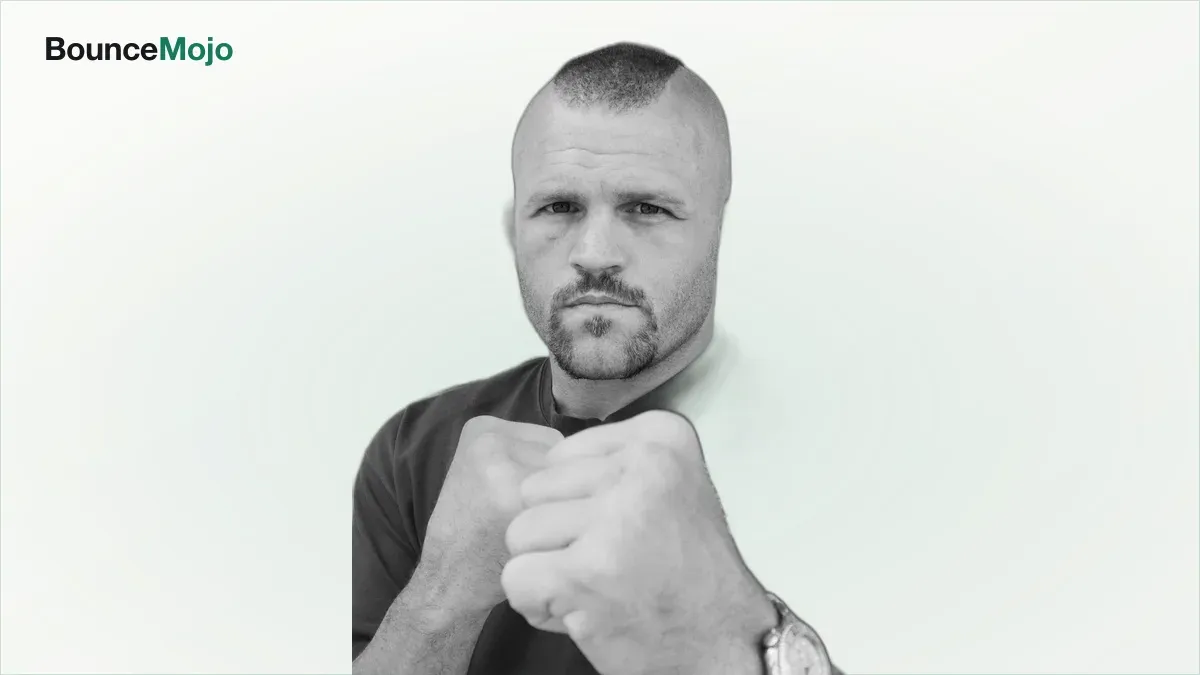
Most people remember Chuck Liddell for the mohawk and the knockouts. That picture is too small. The real story is how one fighter became the face a whole sport hid behind on its way to the mainstream.
Here’s what most people miss: before the UFC was on billboards and cable, it needed a star casual fans could name. Liddell became that man almost by accident, and the sport rode his fame into the spotlight.
The Myth vs. The Reality
The myth is simple and loud. Chuck Liddell: the fearless brawler with the mohawk who walked forward, dropped his hands, and knocked people out cold. A cartoon of controlled violence. Unbreakable.
The reality is more layered.
Here’s the deal: Liddell was a trained wrestler with an accounting degree, a technician who built his knockout power on footwork, timing, and takedown defense that forced strikers and grapplers alike to fight him where he was most dangerous. The wild-man image sold tickets. The precision underneath won titles.
And the “unbreakable” part is where the story turns human. Liddell was not indestructible. His reign ended in brutal fashion, and his refusal to walk away on time turned a legend’s final chapter into a cautionary one. The same chin that made him famous eventually betrayed him.
You might be wondering: how does a kid from a single-mother home in Santa Barbara become the face of a sport that barely existed? To understand that, you have to understand the world he came up in.
The World That Made Chuck Liddell
Liddell came of age in a California where cage fighting was still a curiosity, banned in much of the country and dismissed as a spectacle.
He was born in 1969 in Santa Barbara and raised by his single mother alongside his siblings, with his maternal grandfather a steady presence who taught the kids to box. Money was not abundant, but structure was. Liddell channeled his energy into sport early, starting karate at twelve and starring on his high school football and wrestling teams.
Now: the martial arts world he entered was fragmented. Boxing, karate, kickboxing, and wrestling all lived in separate lanes, and the idea of blending them into one discipline was still raw and controversial. Liddell arrived just as that blending was becoming a sport, and his particular mix, a wrestler’s control fused with a striker’s power, was exactly what the young UFC would come to prize.
He landed in the right place at the right moment, with the right toolkit. But first he had to find the gym that would forge him.
The Crucible: Early Life and the Climb
The Environment That Shaped Him
Liddell’s foundation was wrestling, built at Cal Poly in San Luis Obispo, where he competed at the Division I level and earned a degree in business and accounting.
That detail matters more than it looks. Liddell was not a street brawler who stumbled into fighting. He was a disciplined college athlete who understood structure, leverage, and the grind of a wrestling room. When he began chasing kickboxing and mixed martial arts, he brought that base with him, compiling a strong amateur kickboxing record before turning pro.
Here’s the truth: Liddell’s calm, methodical destruction of opponents wasn’t luck. It was the product of a wrestler’s discipline welded to a puncher’s instinct, refined in a gym that demanded toughness above all.
The Catalyst
The turning point came when Liddell met John Hackleman and joined The Pit.
The story goes that Liddell, then training in traditional karate, sparred with Hackleman during a challenge between schools. Hackleman saw the toughness and the potential, and welcomed him into The Pit the next day. There, Liddell earned his black belt and sharpened the style that would define him. Hackleman also gave him the name that stuck: “The Iceman,” a nod to the eerie calm Liddell showed before he walked out to fight.
He built a reputation quickly, winning fights with clean, violent finishes. And as the UFC searched for a star who could sell the sport to a mainstream audience, Liddell’s look, his knockouts, and his composure made him the obvious candidate. The reign was coming.
It gets better, and then it gets painful. The peak that made him a household name set up the fall that ended his career, and the rivals along the way shaped both.
The Key Players
No legend rises alone, and Liddell’s story runs through a handful of defining figures.
John Hackleman. The trainer who founded The Pit, forged Liddell’s style, and named him. Their partnership was the technical and emotional core of Liddell’s career.
Dana White. Before he ran the UFC, White managed Liddell, and their relationship helped tie the fighter’s rise to the promotion’s rise. Liddell became the face White’s company built its boom around.
Tito Ortiz. The trash-talking foil. Their rivalry, personal and heated, produced two fights that Liddell won, cementing his place atop the division and giving the sport one of its first great grudge matches.
Quinton Jackson. The man who ended the reign. “Rampage” knocked Liddell out to take the light heavyweight title, a defeat that marked the beginning of the end for “The Iceman.”
Think about it: every one of these figures reflects the same tension in Liddell’s career, the razor line between dominance and decline. He walked it brilliantly for years, until the knockouts started landing on him.
The Turning Point
The Pinnacle
From the mid-2000s, Liddell was the UFC’s marquee attraction and its Light Heavyweight Champion.
He defended his title with the kind of walk-off knockouts that make highlight reels and headlines, beating the best light heavyweights of his era and doing it with a style casual fans loved. His fights sold pay-per-views. His face sold the sport. As his own net worth story lays out, this was the run that turned fame into real money, with purses and pay-per-view shares climbing together.
What made his reign special was timing. Liddell was champion during the exact years the UFC broke through to the American mainstream, riding the surge of a hit reality show and expanding television deals. He was the recognizable face on the poster, the fighter non-fans could name. For a stretch, no one in the sport was bigger, and few fighters have ever been more perfectly matched to their moment.
The Price
Here’s the kicker: the aggressive, chin-forward style that made him a legend also shortened his career.
Liddell fought by walking into the fire, trading power shots and daring opponents to hit him. It worked spectacularly, until it didn’t. When Quinton Jackson knocked him out to take the title, it exposed a vulnerability that opponents began to exploit. A string of knockout losses followed, each one harder to watch than the last.
The price of his fearlessness was written in those final fights. A champion who once seemed untouchable was being finished, and the losses piled up faster than his legend could absorb. Which brings us to the harder truths behind the highlight reel.
The Unvarnished Truth
Liddell’s career didn’t end on his terms, and that is the uncomfortable part of the story.
He fought on past the point where many believed he should have stopped, absorbing damage in losses that dented the aura of his prime. Retirement came, then a brief comeback years later that ended in another knockout defeat, a fight many argued should never have been booked. Watching one of the sport’s toughest men take those losses was hard for fans who remembered the untouchable champion.
Now: none of that erases what he built, and judging him harshly misses the fuller picture. A fighter who came from a modest home and willed himself into the face of a sport doesn’t simply switch off the drive when the body slows. Liddell kept fighting because fighting was his identity, and the same fearlessness that made him a legend made it hard for him to walk away.
The most honest thing you can say about Liddell is this: the qualities that made him great, his aggression and his refusal to back down, were the very things that left him exposed when the reflexes faded.
Controversies and Criticisms
For a beloved figure, Liddell faced real scrutiny in his later years.
Fighting too long. Critics questioned whether he continued past the point of safety, taking knockout losses that damaged his health and his legacy.
The comeback fight. His return years after retirement, ending in a knockout loss, drew heavy criticism aimed at those who booked it as much as at Liddell himself.
Life after the cage. Like many fighters, Liddell navigated personal and financial challenges after his fighting income slowed, a reminder of how quickly a fortune built on purses can shrink.
The style debate. Even at his peak, some argued Liddell’s reckless, hands-down approach was as risky as it was thrilling, a criticism that grew louder as the late-career knockouts mounted.
What We Can Learn From Chuck Liddell
Navigating Hard Times
The first lesson is about timing and identity. Liddell rode a perfect wave, becoming the face of a sport at the exact moment it exploded. But the same story warns that no wave lasts forever, and knowing when to step off is its own kind of wisdom.
Here’s the truth his final fights make plain: even the toughest run ends, and how you handle the decline matters. Liddell’s willingness to keep fighting was heroic and costly at once, a lesson in the difference between courage and knowing when the fight is over.
The Success Blueprint
If you want the replicable part, it’s this: Liddell combined a real foundation, wrestling, with a marketable identity, the mohawk and the knockouts, and arrived when his sport needed exactly that. He didn’t just win. He became the face fans could rally around.
That’s transferable. Master the fundamentals, then build a brand people remember, and be ready when opportunity opens. Liddell’s fame carried him further than his purses alone ever could, and as our richest MMA fighters ranking shows, that recognition still holds value long after the last knockout.
Becoming Better
The deepest lesson is about legacy over ego. Liddell’s greatest gift to the sport was not a single win. It was making cage fighting palatable to a mass audience, putting a recognizable, likable face on something the mainstream once feared.
In other words, sometimes your real value is what you open the door to, not just what you win. Liddell helped a sport grow beyond himself, and that legacy outlasts his final losses.
Final Verdict
Chuck Liddell is one of the most important figures in MMA history, and “important” is the right word, because his influence outran his record. He was the champion who made casual fans care, the face that carried the UFC into the mainstream during its make-or-break years.
And here’s the twist that reframes everything: the fearlessness that built the legend also ended it, exposing him once the reflexes slowed and making his final chapter a hard one to watch. Yet the door he opened never closed. Every fighter cashing bigger checks today walks through the mainstream Liddell helped build. The full picture of what that career was worth lives in his net worth breakdown, but the money was never the whole story. Liddell’s real legacy is proof that being the right face at the right moment can matter as much as any title.
Shop Chuck Liddell on Amazon
Books, audiobooks, merch and more, handpicked for fans.
As an Amazon Associate we earn from qualifying purchases.
Frequently Asked Questions
Where did Chuck Liddell grow up?+
Chuck Liddell was born on December 17, 1969, in Santa Barbara, California, and was raised largely by his single mother and his maternal grandfather, who introduced him to boxing as a boy.
Did Chuck Liddell wrestle in college?+
Yes. Liddell wrestled at Cal Poly in San Luis Obispo and earned a business and accounting degree. His wrestling base became the foundation of his MMA style.
Who trained Chuck Liddell?+
Liddell trained under John Hackleman at a gym called The Pit. Hackleman also coined the nickname 'The Iceman,' a nod to Liddell's calm demeanor before fights.
Who was Chuck Liddell's biggest rival?+
His defining rivalry was with Tito Ortiz, whom he fought twice and beat both times. His most painful losses came against Quinton 'Rampage' Jackson, who took his title.
Why is Chuck Liddell important to the UFC?+
As Light Heavyweight Champion during the promotion's breakout years, Liddell became one of the first mainstream MMA stars, helping carry the sport into the American cultural spotlight.
Want the money side of the story?
Read Chuck Liddell's Full Net Worth Breakdown →Shop Chuck Liddell on Amazon
Books, audiobooks, merch and more, handpicked for fans.
As an Amazon Associate we earn from qualifying purchases.