Chris Chelios Biography: The Raw Truth Behind Hockey's Iron Man
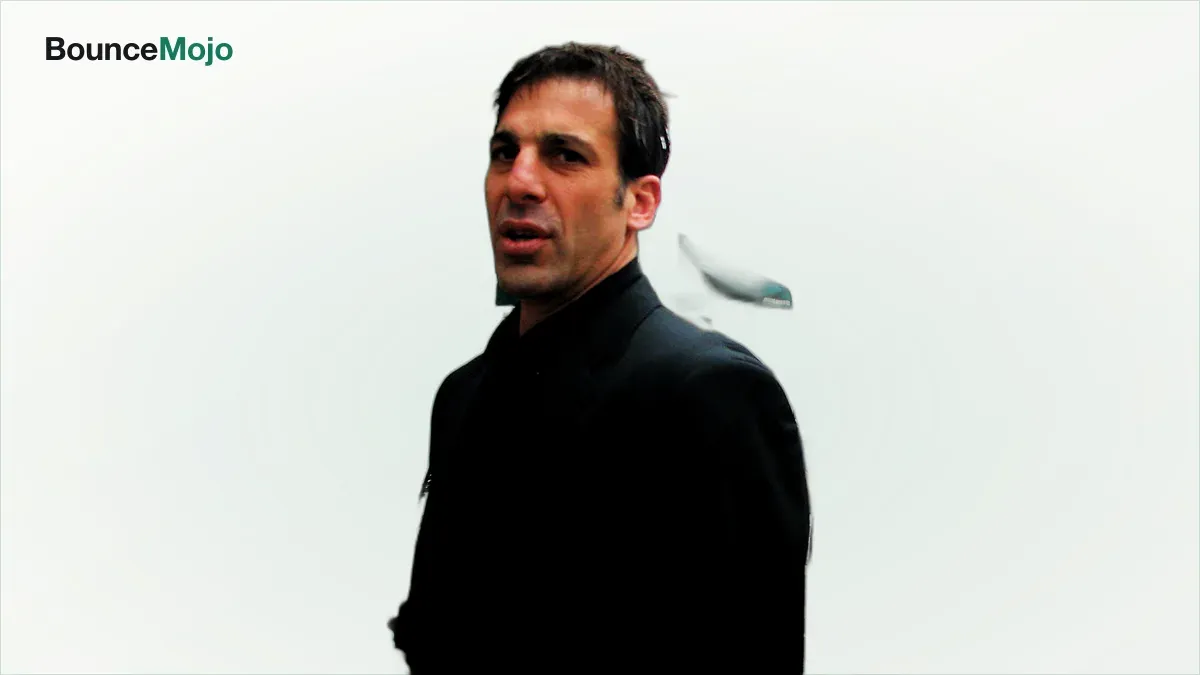
The bruising checks, the fearless shot-blocking, the refusal to leave the ice at an age when most players are long retired. That’s the Chris Chelios fans remember.
Here’s what most people miss: one of the toughest defensemen in NHL history was once a skinny late bloomer nobody projected as a star.
The Myth vs. The Reality
The myth is invincibility. Chris Chelios is the ageless iron man, the defenseman who played forever and hit everything that moved.
The reality started far more fragile.
Here’s the truth: Chelios was a late bloomer, a young player who wasn’t a can’t-miss prospect and had to grind his way into contention through junior hockey and college. The durable legend of his 40s was built by a kid who was almost overlooked.
Now think about that gap. The man who played 26 seasons had to fight just to get noticed at the start.
Instead of fading, Chelios turned obsessive work into an impossibly long career. And to understand how, you have to start in Chicago.
The World That Made Chris Chelios
Christos Kostas Chelios was born on January 25, 1962, in Chicago, into a proud Greek-American family. Hockey was his passion, but his path to it was anything but smooth.
Unlike prodigies who dominate from childhood, Chelios developed late. His family moved, and he chased his hockey dream through junior leagues, a winding route that tested his commitment before he ever reached elite competition.
This was American hockey in an era when the sport was still dominated by Canadians and had not yet produced many home-grown stars. For a kid from Chicago to make it, he needed both talent and relentless drive. Chelios had to prove that an American late bloomer could compete with the best.
His path wound through junior hockey in Canada, where he grew into his body and his game, before he earned a spot at the University of Wisconsin. There he starred in college hockey and finally put himself on the NHL radar, helping the Badgers to a national title and turning himself from an afterthought into a real prospect. From there, the Montreal Canadiens took a chance on him in the draft.
Here’s the deal: nothing about Chelios’ rise was handed to him. He climbed every rung the hard way, and that grind built the ferocious edge that would define his career.
But here’s the kicker: before Chelios could become a legend, he had to survive a reputation as a player who might not last.
The Crucible: Early Life and the Climb
The environment that shaped him
Chelios broke into the NHL with the Montreal Canadiens in the mid-1980s and made an immediate impact, winning a Stanley Cup in 1986 as a young defenseman. He was tough, mobile, and fiercely competitive, exactly the kind of player who thrived on physical, high-stakes hockey.
His game combined offensive skill with a nasty defensive edge, and he quickly became one of the league’s best at his position.
The talent had arrived. What no one predicted was how long it would last.
The catalyst
The catalyst was his trade home to Chicago.
In 1990, Chelios was traded to the Chicago Blackhawks, the team of his hometown. Playing in front of family and friends, he became a superstar, winning multiple Norris Trophies as the league’s top defenseman and cementing his status as one of the best American players in the sport.
Here’s the deal: Chelios was already a great player, but his story was only half written.
Want to know what turned a great career into a legendary one? It was his refusal to ever stop.
The Key Players
You cannot tell the Chris Chelios story without a few names.
His family is the first thread. Chelios’ Greek-American roots and close-knit family shaped his identity, and later his own children, including hockey-playing sons, carried the family’s passion forward. His wife Tracee anchored a personal life built around their four kids.
Michael Jordan is a second, unexpected name. During Chelios’ Chicago years, when Jordan’s Bulls ruled the city, the two became friends, and that connection opened business and social doors that shaped Chelios’ life off the ice.
His teammates across three franchises mattered enormously. In Montreal, Chicago, and especially Detroit, Chelios thrived in strong locker rooms, and the veteran leadership he provided in Detroit, alongside a core of stars, helped fuel late-career championships. He arrived in Detroit as a respected veteran and stayed for years, mentoring younger players while still competing at a high level himself. The camaraderie of the Red Wings’ Cup teams gave his final act its glory, and his willingness to accept a smaller role as he aged, rather than clinging to past stardom, earned him the respect of everyone around him.
And his rivals sharpened him. Chelios’ intensity made him a hated opponent, and the fierce battles with the game’s best forwards defined his reputation as one of the toughest defenders of his generation.
Here’s the truth: everything Chelios built was leading toward a final act nobody thought possible.
The Turning Point: Triumph and Its Hidden Cost
The pinnacle
Start with Detroit, because it defined his endurance.
Traded to the Detroit Red Wings in 1999, Chelios joined a powerhouse and refused to slow down. He won two more Stanley Cups, in 2002 and 2008, the second when he was 46 years old, an almost unimaginable age for an NHL player. He kept competing into his late 40s, playing his final games as one of the oldest players in league history.
Across his career he won three Cups, multiple Norris Trophies as the league’s best defenseman, and a place in the Hall of Fame. He also represented the United States on the biggest international stages for years, becoming a symbol of American hockey’s rise. His combination of skill, toughness, and longevity made him arguably the greatest American-born defenseman ever.
Want to know the best part? He was still contributing to championship teams in his 40s. Most players that age are long retired or hanging on as benchwarmers. Chelios was logging real minutes for the Detroit Red Wings, a contender, defying every expectation about what an aging body can do in a brutal sport.
The price
Now the cost, which was measured in relentless punishment.
A quarter century of physical, shot-blocking, bone-rattling defense took an enormous toll on his body. Chelios played through countless injuries and endured a training regimen so extreme it became legendary, the price of staying competitive against players half his age. He was famous for punishing workouts, including grueling stationary-bike sessions in saunas and other extreme methods, all designed to squeeze every possible year out of his career. That obsession was not glamorous. It was a daily grind that most players would never accept, and it consumed enormous amounts of his time and energy.
There was also the sacrifice of time. Playing into his late 40s meant decades on the road, away from family, chasing one more season when most peers had long retired. His fitness obsession, while heroic, demanded a discipline that consumed his life.
You might be wondering whether a player this respected has any flaws in his story. He does, and honesty requires we tell them.
The Unvarnished Truth
Let’s not pretend the edge was always clean.
Chelios played a fierce, sometimes dangerous brand of hockey. His physical style drew suspensions and fines over the years, and opponents viewed him as one of the game’s dirtiest players at times, a reputation that came with his relentless intensity.
There was also friction late in his career. Chelios’ refusal to retire, admirable as it was, occasionally created awkward situations, including stints in the minor leagues as he tried to hang on. Some questioned whether his desire to keep playing outlasted his usefulness.
And his intensity could spill into conflict, whether with opponents, officials, or even at times the game’s establishment. He was a fierce voice on player issues and never shied from confrontation, which won him respect in some quarters and friction in others. The same fire that made him great could make him difficult, and teammates and rivals alike knew that crossing Chelios came with a price.
Here’s the truth: Chelios’ toughness was inseparable from a sharp, sometimes controversial edge, and a fair biography holds both.
Even so, three Cups and a Hall of Fame plaque answered the biggest questions.
Controversies and Criticisms
For a player this respected, Chelios’ controversies center on his physical style.
The biggest is his reputation as a hard, sometimes dirty player, one who accumulated suspensions and fines for aggressive hits and on-ice conduct across his long career.
There was also the late-career awkwardness, including minor-league stints, as he refused to accept that his time might be up, a stubbornness some found admirable and others questioned.
Beyond that, the knocks are relatively minor for a player of his stature. His edge made him feared, but it never overshadowed his greatness or his championships.
Here’s the thing though: none of it dents the legacy. Because three Cups, multiple Norris Trophies, and 26 seasons answered every question.
What We Can Learn From Chris Chelios
Navigating hard times
When you’re overlooked and undersized, you can accept your ceiling or you can outwork it.
Chelios outworked it. A late-blooming kid who wasn’t a top prospect became one of the greatest defensemen ever through relentless effort and obsessive fitness. The lesson isn’t to ignore your limits. It’s that discipline and drive can rewrite what looks possible.
The success blueprint
Now the part that built the fortune.
Chelios stretched his career to 26 seasons through extreme fitness, stacking salary far longer than his peers, and built restaurants and business ventures on top. He treated longevity as an asset and diversified beyond the game. That approach is why he ranks among the richest hockey players in the world. The full money breakdown lives in our Chris Chelios net worth analysis, and you can see where he sits among the richest athletes overall.
Becoming better
The deepest lesson is about discipline and love of the game. Chelios trained harder than players half his age because he refused to give up something he loved. While teammates relaxed, he was on the bike, in the sauna, doing whatever it took to buy another season. He proved that obsessive preparation can defy time itself, and that passion, backed by relentless work, can stretch a career into territory no one thought possible.
So what’s the final word on hockey’s ultimate iron man?
Final Verdict
Chris Chelios is the rare legend defined as much by endurance as by greatness.
On the ice, he’s a three-time champion, a multiple Norris Trophy winner, a Hall of Famer, and arguably the finest American-born defenseman ever. He helped put American hockey on the map at a time when the sport belonged almost entirely to Canada, and he did it while playing the toughest, most physical brand of defense in the game. Off it, he’s a family man, an entrepreneur, and a symbol of what obsessive discipline can achieve.
Here’s the bottom line: the iron-man toughness was never the whole story. Behind it was a late bloomer who was almost overlooked, then willed himself into a 26-season career through relentless work.
Anyone who remembers only the ageless warrior has missed the grind underneath. Chelios’ real story is discipline, and it kept him great long after his peers were gone.
Shop Chris Chelios on Amazon
Books, audiobooks, merch and more, handpicked for fans.
As an Amazon Associate we earn from qualifying purchases.
Frequently Asked Questions
Where did Chris Chelios grow up?+
Chris Chelios was born on January 25, 1962, in Chicago, Illinois, into a Greek-American family. He was a late bloomer who developed through junior hockey and the University of Wisconsin.
How long did Chris Chelios play in the NHL?+
Chelios played an astonishing 26 seasons, competing at a high level into his late 40s, one of the longest careers the sport has ever seen.
How many Stanley Cups did Chris Chelios win?+
Chelios won three Stanley Cups, one with the Montreal Canadiens in 1986 and two with the Detroit Red Wings in 2002 and 2008.
Why is Chris Chelios called an 'Iron Man'?+
Chelios was renowned for his extreme fitness and durability, using a grueling training regimen to keep playing at an elite level into his late 40s.
Is Chris Chelios in the Hall of Fame?+
Yes. Chelios was inducted into the Hockey Hall of Fame in 2013, celebrated as one of the greatest American-born defensemen in history.
Want the money side of the story?
Read Chris Chelios's Full Net Worth Breakdown →Shop Chris Chelios on Amazon
Books, audiobooks, merch and more, handpicked for fans.
As an Amazon Associate we earn from qualifying purchases.