Andrei Arlovski Biography: The Belarus Pit Bull Who Won't Retire
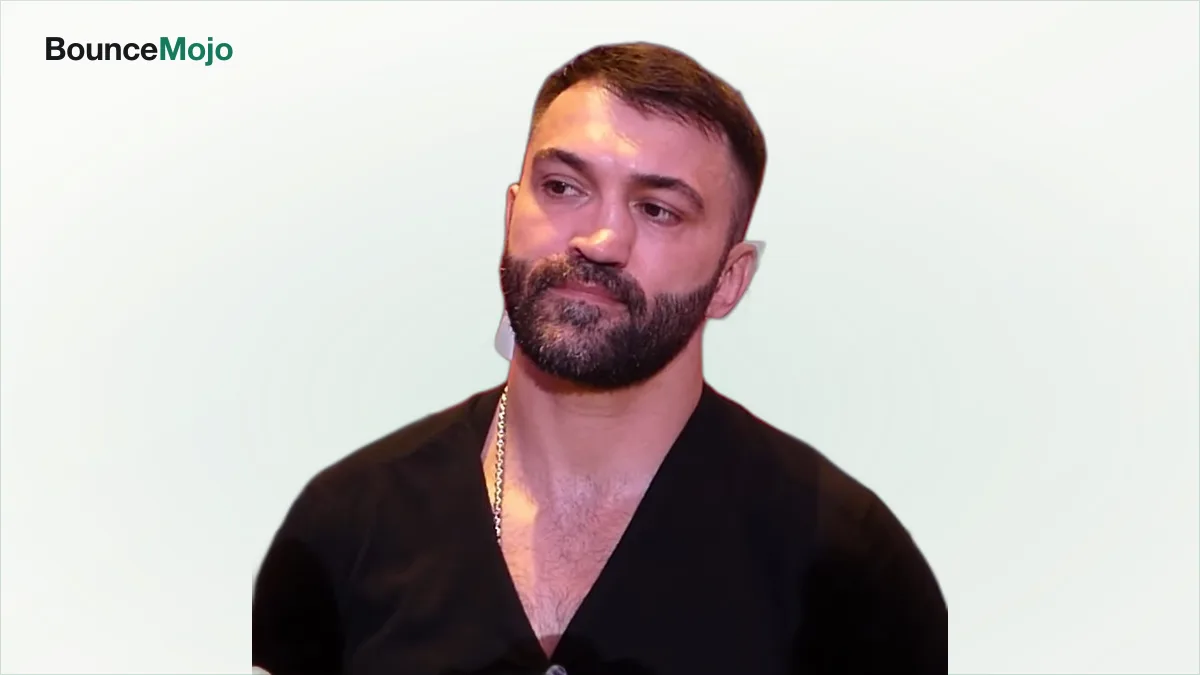
Most people remember Andrei Arlovski for the fangs, the howl, and the heavyweight title. That picture is too small. The real story is about a fighter from Belarus who kept stepping into the cage for more than 25 years, long after everyone expected him to stop.
Here’s what most people miss: Arlovski won a UFC title in 2005 and was still competing at the sport’s top level decades later, setting a record for heavyweight wins that reflects sheer, stubborn endurance. Survival, not a single peak, defines his career.
The Myth vs. The Reality
The myth is fierce. Andrei Arlovski: “The Pit Bull,” the fanged heavyweight with knockout power and a champion’s pedigree. A finisher. A predator in the cage.
The reality is a story of endurance.
Here’s the deal: Arlovski’s power was real, but his career was defined less by uninterrupted dominance than by his refusal to quit. He hit the top, suffered brutal setbacks, and kept coming back, fighting on across four different decades of professional MMA.
And the “predator” framing hides the survivor underneath. Arlovski absorbed some of the sport’s most memorable knockouts, saw his career written off more than once, and answered every time by returning to the cage. The ferocity made the highlight reels. The persistence made the legend.
You might be wondering: how does a kid from Babruysk, Belarus become a UFC champion and one of the longest-tenured fighters in history? To understand that, you have to understand where he came from.
The World That Made Andrei Arlovski
Arlovski grew up in Belarus, in a combat-sports culture built on sambo and judo.
He was born in 1979 in Babruysk, and like many fighters from the former Soviet sphere, he came up through the grappling arts that dominated the region. Sambo, a Soviet martial art blending judo and wrestling, gave Arlovski a formidable foundation, the kind of base that produced generations of tough, technical fighters from Eastern Europe.
Now: the timing lined up with the global rise of MMA. As the sport spread and the UFC searched for talent worldwide, a hard-nosed Belarusian heavyweight with a sambo base and heavy hands was exactly the kind of fighter it needed. Arlovski emigrated to pursue the sport seriously, chasing opportunity in a discipline that was just beginning to reward its best heavyweights.
He had the foundation, the toughness, and the timing. But first he had to prove himself an ocean away from home.
The Crucible: Early Life and the Climb
The Environment That Shaped Him
Arlovski’s foundation was sambo and judo, forged in the demanding athletic culture of Belarus.
That background gave him a grappler’s control and a fighter’s toughness, and he combined it with developing striking power to become a complete heavyweight. Leaving Belarus to build a career in a foreign country, in a still-young sport, took nerve. Arlovski bet on himself, moving toward the heart of the MMA world to chase a title.
Here’s the truth: Arlovski’s ferocity wasn’t just aggression. It was built on a disciplined grappling base from a rigorous martial-arts culture, refined into the well-rounded game that carried him to a championship.
The Catalyst
The turning point came when Arlovski won the UFC Heavyweight Championship in 2005.
He captured the interim title by defeating Tim Sylvia, then became the undisputed champion, announcing himself as one of the division’s most dangerous men. With his knockout power and grappling pedigree, Arlovski looked like a heavyweight who could rule for years.
At his peak, Arlovski was a genuinely frightening finisher. He fought with the mouthguard fangs and a snarling intensity that earned the “Pit Bull” name, and he backed the image up with fast hands and a slick ground game rooted in his sambo base. For a stretch in the mid-2000s, he looked like he might dominate the heavyweight division for years, blending speed and power in a way few big men could match.
Then came the reversal. In a rematch, Sylvia knocked him out, and the title was gone. It was the first of several dramatic swings in a career that would become defined by resilience as much as by peaks.
It gets better, and then it gets brutal, again and again. Arlovski’s career became a cycle of setbacks and comebacks, and the rivals along the way shaped every turn.
The Key Players
No legend rises alone, and Arlovski’s career ran through a handful of defining figures.
Tim Sylvia. His defining rival. Arlovski beat him for the title, then lost the rematch by knockout, a trilogy that shaped the early arc of his career.
Fedor Emelianenko. The legendary Russian heavyweight who knocked Arlovski out in one of the sport’s most famous finishes, a devastating setback that many thought might end his run.
Fabricio Werdum. A career-long opponent Arlovski faced across promotions, part of the deep pool of elite heavyweights he shared the cage with over the decades.
His Belarusian roots. Arlovski’s homeland and his sambo foundation remained central to his identity even as he built his life and career in the United States.
Think about it: every one of these figures reflects the same theme in Arlovski’s story, the razor line between triumph and disaster. He won titles and suffered brutal knockouts, and his career was defined by how many times he refused to let a setback be the end.
The Turning Point
The Pinnacle
At his best, Arlovski was one of the most feared heavyweights in the world.
He won the UFC Heavyweight Championship, and years later, in his second UFC run, he set the record for the most wins in the promotion’s heavyweight history. As his own net worth story lays out, that combination of a title reign and record-setting longevity kept him bookable and earning for an extraordinarily long time.
What set his career apart was not a single unbroken peak but its remarkable length. Arlovski competed at a high level across four decades of professional fighting, outlasting entire generations of heavyweights. Few athletes in any sport sustain a career that long, and in a division built on knockout power, doing so is almost unheard of. His endurance became his signature.
The second UFC run was the more improbable chapter. After leaving the promotion, absorbing brutal knockouts elsewhere, and being widely written off, Arlovski returned to the UFC and reeled off a winning streak that put him back in title contention years after most assumed he was finished. He kept fighting into his forties, adjusting his style from the reckless finisher of his youth into a savvier, more measured veteran who understood how to survive and win in a division full of younger, heavier hitters. That reinvention is what allowed the record-setting win total to keep climbing.
The Price
Here’s the kicker: staying that long meant absorbing brutal losses.
Arlovski suffered several highlight-reel knockouts over his career, including the famous finish by Fedor Emelianenko and a rough stretch of defeats that had many calling for him to retire. Each time, he came back, but the cumulative toll of a quarter-century in the heavyweight division is real, and the losses that come with longevity are part of his story.
The price of his endurance was written in those defeats. Fighting for 25 years means facing younger, fresher opponents long after your own prime, and Arlovski took those fights anyway. Which brings us to the harder truths behind the record.
The Unvarnished Truth
Arlovski’s career didn’t build toward a triumphant finish, and that is the honest part of the story.
He fought on well past the age most heavyweights retire, and his later years brought more losses than wins as the division’s talent grew younger and deeper. Critics questioned whether he should still be competing, worried about the accumulated damage of such a long career. His run became less about titles and more about simply enduring, refusing to walk away from the sport that defined him.
Now: none of that erases his achievements, and judging him harshly misses the fuller picture. A fighter who left Belarus to chase a title and then competed for 25 years doesn’t do it without an unusual will. Arlovski kept fighting because fighting was who he was, and the same persistence that made him a record-holder made retirement hard to accept.
The most honest thing you can say about Arlovski is this: the endurance that made him one of the sport’s great survivors was the same trait that kept him in the cage long past his prime, and both came from the same deep well of resolve.
Controversies and Criticisms
For a respected figure, Arlovski faced real scrutiny.
Fighting too long. The loudest criticism was about longevity itself, with many arguing he continued past the point of wisdom, taking losses and damage in his forties.
The knockout losses. A stretch of brutal finishes raised concerns about his safety and prompted repeated calls for retirement.
Uneven late-career form. As his results grew inconsistent, critics debated whether his record-setting run was admirable or worrying, or both.
Chin durability. After several dramatic knockouts, questions about his ability to absorb damage followed him through the back half of his career.
What We Can Learn From Andrei Arlovski
Navigating Hard Times
The first lesson is about resilience. Arlovski was knocked out, written off, and doubted more than once, and he answered every setback by returning. That refusal to let a defeat be the end is the heart of his story.
Here’s the truth his comebacks make plain: setbacks are not always endings, and the ability to keep getting up is its own form of greatness. Arlovski rebuilt his career again and again, and how he handled adversity defines him as much as his title.
The Success Blueprint
If you want the replicable part, it’s this: Arlovski built a strong foundation, sambo and grappling, and paired it with the discipline to stay competitive for an astonishingly long time. He didn’t just win a title. He outlasted nearly everyone.
That’s transferable. Master the fundamentals, then commit to the long game, and durability itself becomes an advantage. Arlovski’s longevity kept him earning across decades, and as our richest MMA fighters ranking shows, that staying power built a steady fortune.
Becoming Better
The deepest lesson is about love of the craft. Arlovski kept fighting long after the money and titles alone could explain it, because competing was central to who he was.
In other words, real dedication isn’t only about the rewards. It’s about the pursuit itself. Arlovski’s devotion to his sport, through every knockout and comeback, is as instructive as any of his wins.
Final Verdict
Andrei Arlovski is one of the most durable and enduring fighters in MMA history, and “enduring” is the right word, because his longevity defines him as much as his title. He was a UFC Heavyweight Champion, a record-holder for heavyweight wins, and a survivor who competed at a high level across four decades.
And here’s the twist that reframes everything: the same resilience that made him a legend, the will to come back from brutal knockouts again and again, was the very thing that kept him fighting long past his prime. Yet the record he set, the title, the wins, the sheer decades of competition, endures. The full picture of what that career was worth lives in his net worth breakdown, but the money was never the whole story. Arlovski’s real legacy is proof that endurance itself can be a kind of greatness, and that “The Pit Bull” from Babruysk simply refused to let go.
Shop Andrei Arlovski on Amazon
Books, audiobooks, merch and more, handpicked for fans.
As an Amazon Associate we earn from qualifying purchases.
Frequently Asked Questions
Where is Andrei Arlovski from?+
Andrei Arlovski was born on February 4, 1979, in Babruysk, Belarus, and came up through sambo and judo before emigrating to build his MMA career in the United States.
When did Andrei Arlovski win the UFC title?+
Arlovski became UFC Heavyweight Champion in 2005, winning the interim title by defeating Tim Sylvia before becoming the undisputed champion.
How long has Andrei Arlovski fought?+
Arlovski began his professional MMA career in 1999 and remained active for more than 25 years, one of the longest careers in the history of the sport.
What is Andrei Arlovski's UFC record?+
Arlovski holds the record for the most wins in UFC heavyweight history, built across two separate stints with the promotion over two decades.
Did Andrei Arlovski act in movies?+
Yes. Arlovski appeared in film roles during his career, adding acting to his fighting income, though the cage remained his primary arena.
Want the money side of the story?
Read Andrei Arlovski's Full Net Worth Breakdown →Shop Andrei Arlovski on Amazon
Books, audiobooks, merch and more, handpicked for fans.
As an Amazon Associate we earn from qualifying purchases.