Anderson Silva Biography: The Spider Who Turned Fighting Into Art
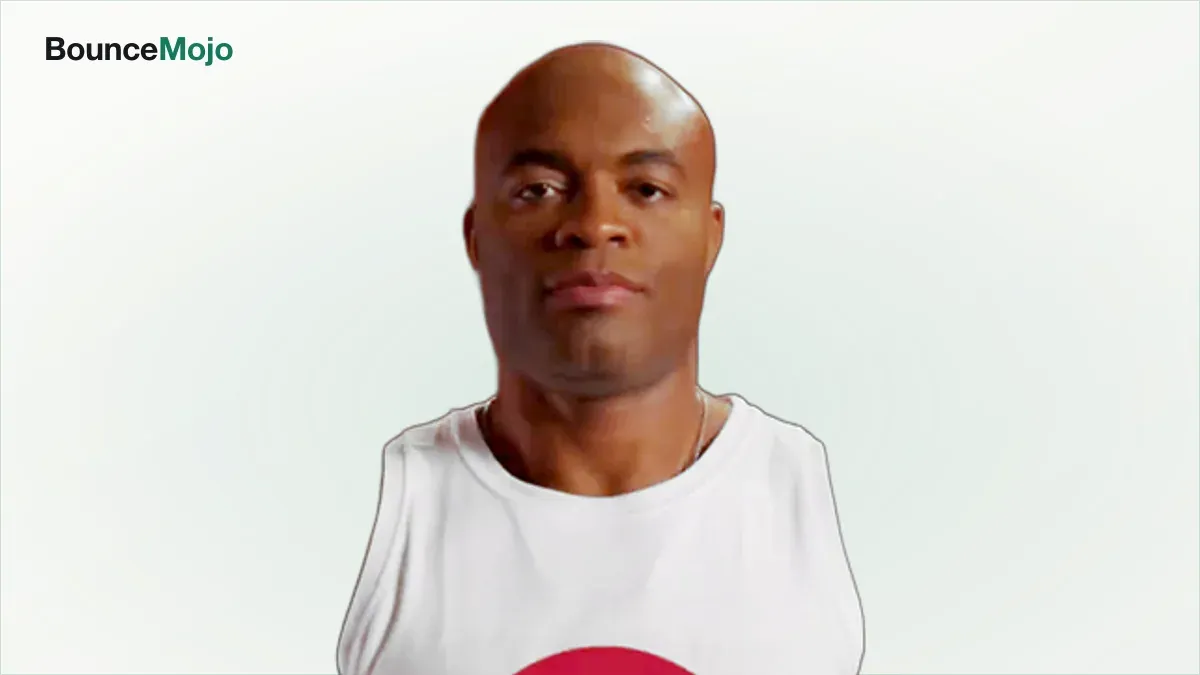
Most people call Anderson Silva a fighter. That word is too small. He was a performer who happened to work in a cage.
Here’s what most people miss: the man who held the UFC title longer than anyone in history did it with a style so fluid and strange that opponents looked like they were fighting a ghost.
The Myth vs. The Reality
The myth is beautiful. Anderson Silva: the untouchable artist, the matrix-dodging genius who toyed with the best fighters alive and finished them with casual brilliance. Flawless. Effortless. Otherworldly.
The reality is a story of struggle and hard-won mastery.
Here’s the deal: Silva’s grace looked effortless, but it was built from a poor childhood and years of grinding across multiple martial arts before MMA even made him famous. The ease was an illusion earned through obsession. Nothing about “The Spider” came easy.
And the “untouchable” framing is what makes his story tragic and human. Silva wasn’t untouchable. His reign ended in stunning fashion, first by knockout, then by a snapped leg, and the same flair that made him a legend played a role in his downfall.
You might be wondering: how does a poor kid from Brazil become the most artistic fighter the sport has ever seen? To understand that, you have to understand the world that shaped him.
The World That Made Anderson Silva
Silva was born in 1975 in São Paulo, Brazil, into poverty, and raised largely in Curitiba by an aunt and uncle.
His uncle was a Curitiba police officer, and the household offered structure but not wealth. Brazil in that era was saturated with martial arts culture, from Brazilian jiu-jitsu to Muay Thai to the dance-fight rhythms of capoeira, and for a kid with little else, the gym was a refuge and a dream.
Now: Curitiba was one of the great fighting cities of Brazil, the same scene that produced ferocious talents like Wanderlei Silva. But Anderson took a different path through it. Where the Chute Boxe school bred forward-pressing brawlers, Anderson absorbed a wider palette, jiu-jitsu, Muay Thai, capoeira, and taekwondo, blending them into something no one had quite seen.
He arrived as MMA was searching for its first true artist, a fighter who could make violence look like choreography. Silva would become exactly that. The poverty and the patchwork of disciplines gave him both his hunger and his unmistakable style.
But before the artistry, there was a boy who couldn’t even afford the training he loved.
The Crucible: Early Life and the Climb
The Environment That Shaped Him
Silva grew up obsessed with martial arts but too poor to train freely. He began Brazilian jiu-jitsu with neighborhood kids and fell in love with combat sports, adding capoeira, Muay Thai, and taekwondo over his teenage years.
Money was a constant obstacle. He has spoken about wanting to train but lacking the means, piecing together his education in fighting wherever he could. That scarcity forced creativity. Unable to specialize in one expensive discipline, he became a student of many, and the blend became his weapon.
Here’s the truth: Silva’s beautiful, unpredictable style wasn’t a gift. It was the byproduct of a poor kid who had to gather his skills from every corner of the martial arts world because he couldn’t afford to master just one.
The Catalyst
The turning point came when Silva reached the UFC in 2006.
He had already fought around the world, including in PRIDE and other promotions, building a reputation as a dangerous and unusual striker. But it was in the UFC that the legend crystallized. In his debut, he dismantled Chris Leben, and shortly after he took the middleweight title. What followed was unlike anything the sport had seen.
Silva didn’t just beat opponents. He humiliated them with ease, dodging punches with his hands down, finishing with front kicks and precise counters, turning title fights into exhibitions. The reign was on, and it would last longer than any before it.
It gets better, and then it gets brutal. The peak of his artistry set up the most shocking fall in UFC history, and the people around him shaped both.
The Key Players
No legend rises alone, and Silva’s career was defined by a handful of key figures.
His family in Curitiba. The aunt and uncle who raised him gave him the stability a poor childhood otherwise lacked, and the discipline that underpinned his obsessive training.
Chael Sonnen. His greatest rival built one of MMA’s best storylines. Sonnen’s relentless trash talk and their two fights, the first of which Silva nearly lost before a miraculous late submission, gave “The Spider” a foil that made him even bigger.
Chris Weidman. The man who ended everything. Weidman knocked Silva out to take the title in 2013, then broke Silva’s leg in the rematch, closing the greatest reign in UFC history in the most violent way imaginable.
Ronaldo Nazário. The football icon partnered with Silva on the 9INE sports-management venture, tying his brand to one of Brazil’s most beloved athletes.
Think about it: every one of these figures reflects the same theme, the thin line between mastery and vulnerability. Silva walked that line for years, until it finally snapped, literally, at his peak.
The Turning Point
The Pinnacle
From 2006 to 2013, Silva was the closest thing MMA had to an untouchable king.
He held the middleweight title for 2,457 days, the longest reign in UFC history, and won 16 consecutive fights in the promotion. He toyed with elite opponents, produced highlight-reel finishes, and was widely regarded, then and now, as one of the greatest fighters of all time. As his own net worth story lays out, that dominance made him a pay-per-view goldmine.
What set his reign apart was the way he won. Silva didn’t just beat contenders. He dismantled them with an ease that bordered on cruelty, dropping his hands to invite attacks, then slipping punches by inches and countering with pinpoint precision. Against Forrest Griffin, he backpedaled and knocked the former champion out while retreating. Against Vitor Belfort, he landed a front kick to the face that became one of the most replayed finishes in the sport’s history. Each performance added to the myth that he simply operated on a different plane than everyone else. For seven years, opponents didn’t step into the cage hoping to beat Anderson Silva. They stepped in hoping to survive him, and most did not.
For seven years, he was the standard by which every other fighter measured artistry and dominance.
The Price
Here’s the kicker: the flair that made him a legend helped end him.
Silva loved to showboat, dropping his hands, taunting, performing. Against most opponents, it worked. Against Chris Weidman in 2013, it didn’t. Silva clowned during their first fight and got knocked out cold, ending the historic reign in an instant.
The rematch was worse. In the second round, Silva threw a leg kick, Weidman checked it, and Silva’s left tibia and fibula snapped in a horrifying moment broadcast worldwide. The image of the greatest middleweight ever crumpling in agony became one of the sport’s most infamous. The price of his artistry, and his showmanship, was written in that broken leg. Which brings us to the harder truths behind the legend.
The Unvarnished Truth
Silva’s career didn’t end cleanly, and the later chapters complicate the myth.
He fought on well past his prime, losing more than he won in his final UFC years, chasing the magic that had once come so easily. And in 2015, he tested positive for banned substances following a comeback fight, resulting in a suspension that stained an otherwise revered record. He disputed the circumstances, but the episode was a serious mark on his legacy.
Now: none of that erases his greatness, and judging him harshly misses the fuller picture. A fighter who came from poverty and built himself into an all-time great through obsession doesn’t simply switch off that drive when the body fails. Silva kept fighting because fighting was who he was, and the refusal to quit that made him legendary also led him into losses and controversy.
The most honest thing you can say about Silva is this: the same flair and fearlessness that made him the most beautiful fighter alive were the very traits that exposed him when the magic finally faded.
Controversies and Criticisms
For a beloved figure, Silva faced real scrutiny.
The 2015 drug test. His failed test after a comeback win led to suspension and cast a shadow over his final years, forcing fans to reckon with a blemish on a legendary career.
Fighting too long. Critics questioned whether Silva continued past the point of wisdom, absorbing damage and losses that dented the aura of his prime.
The showboating. His theatrical style drew criticism even at his peak, with some arguing it disrespected opponents, criticism that grew louder after the Weidman knockout seemed to prove the risk.
Comparisons and G.O.A.T. debates. As the sport evolved, Silva’s place among the greatest was endlessly debated, with newer stars and stiffer competition prompting reassessments of just how deep his era’s talent ran.
What We Can Learn From Anderson Silva
Navigating Hard Times
The first lesson is about turning limitation into style. Silva couldn’t afford to specialize, so he learned everything, and that scarcity created the most distinctive fighter of his era. Constraints, handled right, become signatures.
Here’s the truth his broken leg makes plain, though: even the greatest peak is fragile, and how you handle the fall matters. Silva rebuilt after a shattered leg and a tarnished record, refusing to let his lowest moment be his last word. Recovery, not just dominance, is part of his story.
The Success Blueprint
If you want the replicable part, it’s this: Silva mastered his craft so completely that he made it look like art, and art is unforgettable. He didn’t just win. He created a style that will be studied as long as the sport exists.
That’s transferable. The lesson is to pursue mastery so deep it becomes your signature, then protect the platform it builds. His enduring brand kept paying through endorsements and reinvention, and as our richest MMA fighters ranking shows, it left him among the wealthier legends of his generation.
Becoming Better
The deepest lesson is about humility and reinvention. Silva’s fall was public and painful, but he didn’t disappear. He pivoted to boxing, coaching, and business, finding new ways to earn and stay relevant.
In other words, greatness isn’t only about the peak. It’s about what you build after the peak is gone. Silva’s willingness to reinvent himself, even after the leg break and the suspension, is as instructive as any of his knockouts.
Final Verdict
Anderson Silva is one of the greatest and most influential fighters in MMA history, and “influential” carries real weight here, though he was unquestionably great too. He redefined what striking could look like in the cage, blending martial arts into a style so fluid it changed how a generation of fighters approached the craft.
And here’s the twist that reframes everything: the most untouchable fighter of his era was undone not by a better athlete but by the very showmanship that made him magic, and by a leg that couldn’t survive one more kick. Yet he rebuilt, cashing in on his brand and his boxing draw long after the reign ended. The full picture of what that career was worth lives in his net worth breakdown, but the number was never the whole story. Silva’s real legacy is proof that a poor kid from Curitiba could turn fighting into art, and that even a broken masterpiece is still a masterpiece.
Shop Anderson Silva on Amazon
Books, audiobooks, merch and more, handpicked for fans.
As an Amazon Associate we earn from qualifying purchases.
Frequently Asked Questions
Where did Anderson Silva grow up?+
Anderson Silva was born on April 14, 1975, in São Paulo, Brazil, into a poor family. He spent much of his childhood in Curitiba with an aunt and uncle, the uncle a Curitiba police officer.
Why is Anderson Silva called 'The Spider'?+
The nickname reflects his uncanny reach, flexibility, and striking precision, a fighter who seemed to control opponents from angles no one else could. He was famous for a fluid, almost balletic style built from jiu-jitsu, Muay Thai, capoeira, and taekwondo.
How long was Anderson Silva's UFC title reign?+
Silva held the UFC Middleweight Championship for 2,457 days, from 2006 to 2013, the longest title reign in UFC history, with a record 16 consecutive UFC victories in that span.
What happened to Anderson Silva's leg?+
In his 2013 rematch with Chris Weidman at UFC 168, Silva threw a leg kick that Weidman checked, snapping Silva's left tibia and fibula. The gruesome injury ended the fight and became one of the most infamous moments in UFC history.
Did Anderson Silva fight in boxing?+
Yes. After his UFC career, Silva turned to professional and celebrity boxing, including a 2022 bout with Jake Paul, drawing seven-figure paydays and showcasing his striking against crossover opponents.
Want the money side of the story?
Read Anderson Silva's Full Net Worth Breakdown →Shop Anderson Silva on Amazon
Books, audiobooks, merch and more, handpicked for fans.
As an Amazon Associate we earn from qualifying purchases.