Ana Ivanovic Biography: The Belgrade Girl of the Empty Pool
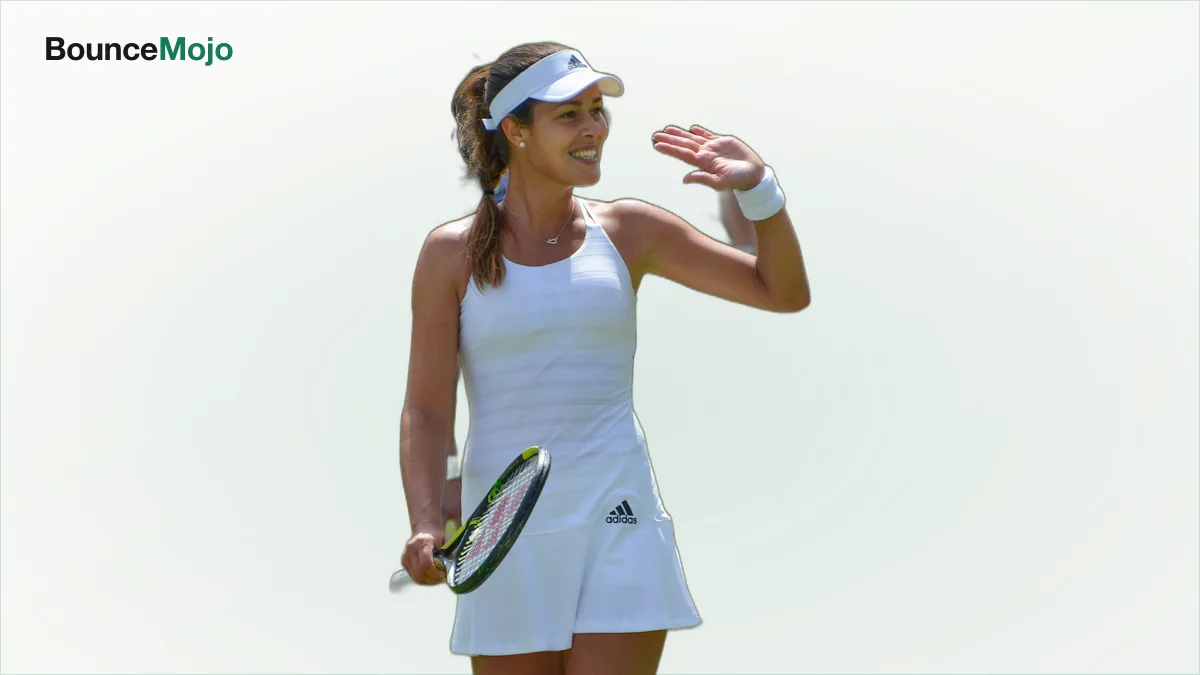
Most people remember Ana Ivanovic as the glamorous French Open champion with the dazzling smile. The start of her story is far grittier than the photos suggest.
Here’s what most people miss: before the sponsorships and the world No. 1 ranking, there was a young girl hitting balls in a drained swimming pool while her country was in turmoil, chasing a dream that seemed impossible.
The Myth vs. The Reality
The myth is glossy. Ana Ivanovic: the beautiful, smiling Serbian star, a French Open champion and marketing darling who glided from Grand Slam glory into a fairytale marriage with a football hero.
The reality has far more grit underneath the glamour.
Here’s the deal: Ivanovic’s origin story is one of the toughest in tennis. She grew up in Serbia during a period of conflict and instability, and her path to the top ran through genuine hardship, not privilege.
And the effortless image? It masked years of relentless work and the pressure of carrying enormous expectations, along with the cruel reality that her time at the very top was shorter than her talent deserved.
You might be wondering: how does a girl from a war-affected city become the best player in the world? To understand that, you have to understand where she came from.
The World That Made Ana Ivanovic
Ivanovic was born in 1987 in Belgrade, in what was then Yugoslavia, and history shaped her childhood.
Her formative years unfolded against a backdrop of conflict and economic hardship in the region. Sanctions, instability, and the aftermath of war were part of daily life, hardly the conditions you’d expect to produce a world tennis champion.
Now: Serbia in that era was not a tennis superpower. Facilities were scarce, money was tight, and simply finding a safe, usable court could be a challenge. Yet this same period and place produced a remarkable generation, including Novak Djokovic and Jelena Jankovic.
Think about it: while young players elsewhere trained in gleaming academies, Ivanovic reportedly practiced wherever she could, including a drained swimming pool. That collision, a talented, determined girl and a country in crisis, is the backdrop for everything she became.
The Crucible: Early Life and the Climb
The Environment That Shaped Her
Ivanovic fell in love with tennis young, reportedly after seeing it on television, and pursued it with fierce determination despite the obstacles around her. Training space was limited, resources were thin, and the environment was anything but easy.
Let that land. The elegant champion the world later admired was forged in scarcity, hitting balls in makeshift conditions while her country struggled.
Her talent was obvious, and it eventually earned her the support and coaching to develop properly, including a move to train in Switzerland. She climbed the junior ranks and turned professional in the early 2000s, her powerful forehand and athletic game marking her as a future star.
Here’s the truth: the hardship built her resolve. The girl who learned tennis amid crisis developed a hunger and toughness that carried her all the way to the top of the sport.
The Catalyst
The breakthrough built steadily, then peaked. Ivanovic rose through the WTA ranks in the mid-2000s, reaching a Grand Slam final and announcing herself as a top contender.
Then came 2008, the year everything changed. Ivanovic won the French Open, beating Dinara Safina in the final, and climbed to world No. 1.
It gets better, and then more complicated, before her story turns again. Because reaching the summit at 20 brought immense pressure and expectation, and holding that peak would prove far harder than reaching it. The way her career evolved from there, and the life she built beyond tennis, would define her as much as that Roland Garros trophy.
The Key Players
No champion rises alone, and Ivanovic’s story features rivals, compatriots, and a partner who reshaped her life.
The Serbian generation. Ivanovic came up alongside a golden crop of Serbian players, including Novak Djokovic and rival Jelena Jankovic. That collective rise put Serbian tennis on the map and pushed each of them higher.
Dinara Safina. Her opponent in the 2008 French Open final, the match that delivered Ivanovic’s lone Grand Slam and the No. 1 ranking. That win is the pinnacle of her competitive career.
Maria Sharapova and the WTA elite. The marketing and on-court peers against whom Ivanovic competed for titles and sponsorships during the glamour era of women’s tennis. As her net worth story notes, that marketability shaped her fortune.
Bastian Schweinsteiger. The German football World Cup winner she married in Venice in 2016. Their union created one of sport’s great power couples and anchored the next chapter of her life.
By the way, every one of these relationships points at the same theme: a fierce competitor who rose within a special generation and then built a life, and a household, well beyond the baseline. That transition defined her second act.
The Turning Point
The Pinnacle
Ivanovic’s peak arrived in 2008. Winning the French Open and reaching world No. 1 in the same season placed her at the absolute summit of women’s tennis, a Serbian girl from a war-affected childhood standing atop the sport.
That achievement made her a global icon, wanted by sponsors and admired worldwide. As her own net worth breakdown explains, that fame translated into a marketing career that outshone her prize money.
The Price
Here’s the kicker: the summit was harder to hold than to reach.
After 2008, Ivanovic struggled with form, injuries, and the crushing weight of expectation. The player who had been No. 1 slipped down the rankings, and she was never quite able to recapture that Grand Slam-winning peak, despite remaining a top competitor for years.
The price of early, dazzling success was a long, sometimes painful search to rediscover it. Her talent never vanished, but the consistency of her golden year proved elusive, and that gap between her peak and the years after became the quiet ache of her career.
The Unvarnished Truth
Ivanovic’s vulnerabilities were mostly about consistency and nerves, and she was open about the struggle.
At her best, her powerful forehand was among the finest in the game. But her ball toss and serve could desert her under pressure, and stretches of the yips and shaken confidence undermined her after 2008. The mental side of holding the top spot proved a genuine battle.
Now: none of that diminishes what she achieved. It humanizes it. The smiling, seemingly effortless star was, in fact, fighting the same doubts and pressures as anyone, often in the glare of enormous expectation.
The most honest thing about Ivanovic is how gracefully she handled the decline and the eventual exit. She never made excuses, acknowledged her struggles openly, and chose to leave the sport with dignity rather than cling on.
Controversies and Criticisms
Ivanovic’s career was largely free of scandal, but it drew its share of critique.
The “one-Slam wonder” label. Some critics framed her as a player who won a single major and faded, undervaluing the genuine excellence required to reach No. 1 at all.
The marketing question. Others suggested she was promoted as much for her looks and marketability as her results, an unfair framing that ignored her real achievements.
The consistency criticism. Her post-2008 decline drew scrutiny, with commentators questioning whether she squandered a talent that should have delivered more majors.
The early retirement debate. When she retired at 29 in 2016, some felt she left with more tennis in her, while others praised her for stepping away on her own terms to start a family.
What We Can Learn From Ana Ivanovic
Navigating Hard Times
The first lesson is about rising from scarcity. Ivanovic learned tennis amid conflict and hardship, in makeshift conditions, and still reached the very top of a global sport. Your starting point does not decide your ceiling.
But here’s the truth her career makes plain: reaching the summit is one battle, and staying there is another. Ivanovic’s struggle to hold No. 1 shows that success brings its own pressures, and that resilience matters even after you’ve won.
The Success Blueprint
If you want the replicable part, it’s this: build a brand alongside your craft. Ivanovic turned her tennis fame into modeling, endorsements, and ambassador roles, creating income and identity beyond her results.
That’s transferable. The lesson isn’t “be famous.” It’s “make your talent the foundation of a broader brand.” That approach kept her wealthy and relevant, near the top of our richest tennis players ranking, long after her final match.
Becoming Better
The deepest lesson is about knowing when to move on. Ivanovic retired at 29, protected her health and her image, and built a rich second life around family and business rather than clinging to a fading career.
In other words, she understood that a career is a chapter, not the whole book. The girl from the empty pool became a champion, then a wife, mother, and businesswoman, choosing her own next act, which is the most grounded twist in her story.
Final Verdict
Ana Ivanovic is one of the most compelling figures in modern women’s tennis, and “compelling” fits her better than “dominant,” though she was briefly the best in the world. A French Open title, a world No. 1 ranking, and one of the sport’s great rags-to-riches origins. She also became a global ambassador for the game and for Serbian sport.
And here’s the twist that reframes everything: the glamorous star the world saw came from genuine hardship, rose to the summit, then had the wisdom to walk away and build a full life beyond it. The full picture of the fortune she built, and the football marriage that anchors it, lives in her net worth breakdown, and it’s a fitting ending: the girl who trained in an empty pool ended up with a life, and a household, richer than she could have imagined.
Shop Ana Ivanovic on Amazon
Books, audiobooks, merch and more, handpicked for fans.
As an Amazon Associate we earn from qualifying purchases.
Frequently Asked Questions
Did Ana Ivanovic really train in an empty swimming pool?+
Yes. Growing up during the turmoil in Serbia, Ivanovic reportedly practiced in a drained swimming pool and around the challenges of the era, one of the sport's most striking rags-to-riches origins.
When did Ana Ivanovic win the French Open?+
Ivanovic won her lone Grand Slam at the 2008 French Open, defeating Dinara Safina in the final, and reached world No. 1 the same year.
Why did Ana Ivanovic retire so early?+
Ivanovic retired in 2016 at age 29, citing that her body and results had declined and that she wanted to move on to family and business while still on top of her brand.
Who is Ana Ivanovic married to?+
She is married to Bastian Schweinsteiger, the German football World Cup winner. They wed in Venice in 2016 and have children together.
Where is Ana Ivanovic from?+
Ivanovic was born in Belgrade, Serbia, in 1987, and grew up during a period of conflict and hardship in the former Yugoslavia.
Want the money side of the story?
Read Ana Ivanovic's Full Net Worth Breakdown →Shop Ana Ivanovic on Amazon
Books, audiobooks, merch and more, handpicked for fans.
As an Amazon Associate we earn from qualifying purchases.