Alan Pascoe Biography: The Hurdler Behind British Athletics Business
Most people who followed 1970s British athletics remember Alan Pascoe as a fine hurdler. That memory sells him short.
Here’s what most people miss: Pascoe’s real achievement wasn’t a medal. It was building the business that turned amateur British athletics into a professionally funded, televised sport, and getting rich doing it.
The Myth vs. The Reality
The myth is simple. Alan Pascoe: a talented British hurdler from a golden era of track.
The reality is bigger.
Here’s the deal: Pascoe’s competitive career, real as it was, is the smaller part of his story. His lasting impact came after the spikes came off, when he built the commercial machinery that funds British athletics to this day.
Think about it: most Olympians are remembered for a single race. Pascoe should be remembered for changing how an entire sport pays its bills.
You might be wondering: how does a schoolteacher from Portsmouth end up as the father of UK sports marketing? To understand that, you have to understand the amateur world he came from.
The World That Made Alan Pascoe
Pascoe came up in a British athletics scene defined by amateurism.
In the 1960s and 1970s, track and field in Britain was largely unpaid. Athletes trained around jobs, competed for pride and country, and saw little money even at the highest level. There was no professional structure, no serious sponsorship pipeline, and no obvious way to earn a living from the sport.
Now: that scarcity is the key to everything. Pascoe lived inside a sport that generated huge public interest but almost no athlete income. He saw the gap between attention and money.
He trained as a teacher, the classic amateur-era path, and competed at the top while holding down a real profession. That dual life gave him a practical, business-minded view of sport that pure athletes often lacked.
But first he had to prove himself on the track.
The Crucible: Early Life and the Climb
The Environment That Shaped Him
Alan Pascoe grew up in Portsmouth and came into athletics through the disciplined, self-funded world of British amateur sport.
Here’s the truth: he had to earn everything the hard way, balancing training with teacher training and, later, a career. There were no scholarships handing him a soft landing and no agents lining up deals. That grind taught him the value of self-reliance.
He developed into a top-class hurdler and relay runner, strong enough to represent Great Britain at the highest level through the early 1970s.
The Catalyst
Then came the stage that made his name.
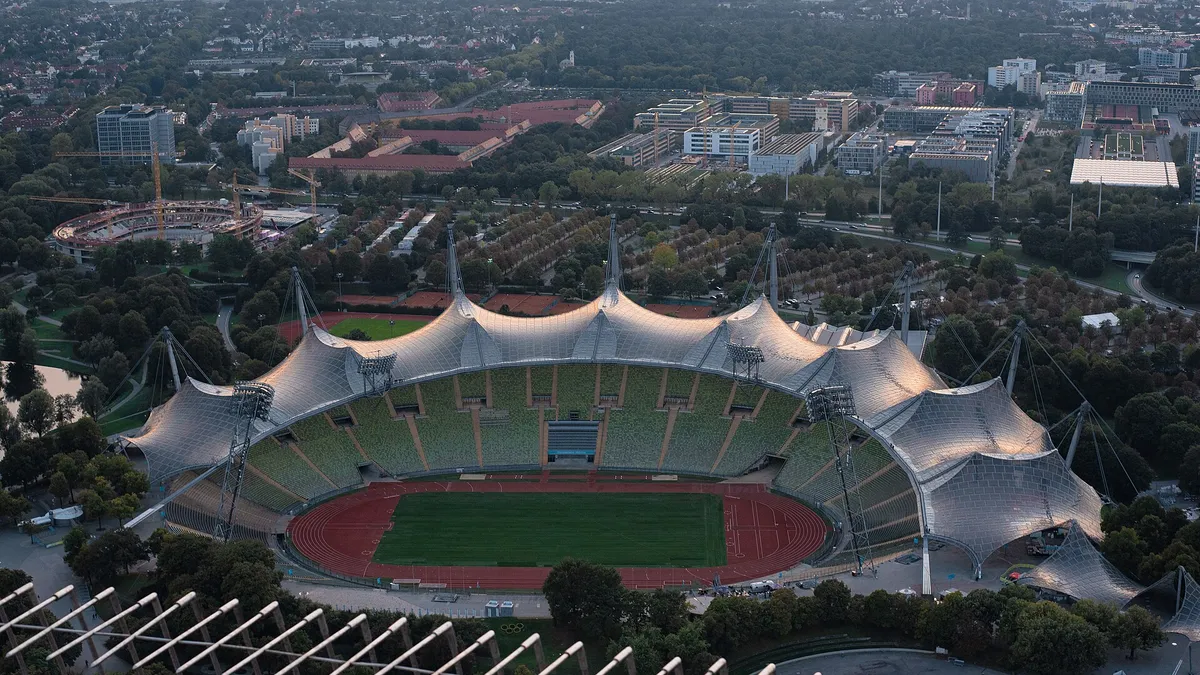
At the 1972 Munich Olympics, Pascoe won a silver medal as part of the British 4x400m relay team. Two years later he took 400m hurdles gold at the 1974 Commonwealth Games, and he collected European honors along the way. He was, for a stretch, one of Britain’s best.
That competitive success gave him something more valuable than trophies: credibility and a contacts book. His standing as an Olympic medalist became the raw material for the fortune detailed in his net worth story. But the real turning point was still to come, off the track.
The Key Players
No entrepreneur builds alone, and Pascoe’s story runs through the world of British athletics.
Della Pascoe. His wife was herself an international athlete, and the couple were embedded in British track and field, sharing the amateur-era grind.
British athletics contemporaries. Figures like David Hemery, a great British hurdler, and later stars such as Sebastian Coe and Daley Thompson populated the sport Pascoe would help commercialize. Coe in particular would follow a similar path from athlete to administrator and power broker.
The sponsors. Pascoe’s real partners were the brands he brought into athletics, corporations he convinced that attaching their names to televised track and field was worth serious money.
The governing bodies. He worked with and within athletics administration, positioning himself between the sport’s institutions and its commercial future.
Think about it: Pascoe’s genius was standing in the middle, between athletes, sponsors, and broadcasters, and taking a cut of the flow he created.
The Turning Point
The Pinnacle
Pascoe’s greatest success came in business, not competition.
In 1975 he joined MSW Promotions. He bought it out and, in 1984, renamed it Alan Pascoe Associates. The firm grew rapidly into a leading sports-marketing agency, and across API and later Fast Track, Pascoe raised more than £100 million in sponsorship for British athletics. He effectively built the commercial engine of the modern sport.
The payoff was substantial. He reportedly earned around £25 million when his agency was sold in two tranches, and his Fast Track venture later featured in a deal reported at £43 million.
The Price
Here’s the kicker: pioneering commercialism in an amateur sport was not universally loved.
Bringing corporate money into athletics meant challenging a deeply held amateur ethos. Purists worried that sponsorship would corrupt the sport, and the shift Pascoe championed changed athletics forever, for better and, some argued, for worse. He was operating at the friction point between tradition and money.
That is the price of building something new. Pascoe made athletics financially viable, and in doing so he helped end the amateur world he came from. Which brings us to the fuller, more human picture.
The Unvarnished Truth
Pascoe’s career sits at a complicated crossroads of sport and commerce.
He was an athlete who became a businessman, and that dual identity invited scrutiny. Some questioned whether the man raising money for athletics was also profiting handsomely from it, a fair tension in any sport that professionalizes. Pascoe operated openly as a commercial figure, which was still novel and, to some, uncomfortable.
Now: this is not a scandal, it is the reality of being a pioneer. Someone had to build the bridge between amateur idealism and professional funding, and that person was always going to be both praised and second-guessed.
There is also a quieter truth: Pascoe’s success required relentless relationship work over decades. The fortune looks like a few big paydays, but it was built on thousands of conversations, deals, and years of staying inside the sport.
Controversies and Criticisms
Pascoe’s commercial pioneering drew debate rather than outright scandal.
Commercializing an amateur sport. Traditionalists criticized the influx of sponsorship money into athletics, and Pascoe was the face of that change.
Athlete versus businessman. Some questioned the optics of a former competitor profiting from the sport’s commercialization, a recurring tension in sports administration.
Governance debates. As athletics wrestled with money, doping, and professionalism, figures like Pascoe operated in a contested space where every commercial decision carried scrutiny.
A private profile. Pascoe has generally kept a low public profile, which has left his story less scrutinized, and less celebrated, than his impact deserves.
What We Can Learn From Alan Pascoe
Navigating Hard Times
The first lesson is about scarcity as opportunity. Pascoe came from a sport with no money and turned that emptiness into a business.
Here’s the truth: where others saw an underfunded amateur world, Pascoe saw untapped demand. He didn’t wait for the sport to pay him. He built the mechanism that would.
The Success Blueprint
If you want the replicable part, it is this: Pascoe monetized his network. His Olympic credibility opened doors, and he converted relationships into a business that sat between athletes, sponsors, and broadcasters.
That is transferable. The lesson isn’t “win a relay silver.” It’s “own the connection point where value flows, and take a share.” That instinct made Pascoe one of the wealthiest names on our richest Olympians ranking, out-earning far more famous athletes.
Becoming Better
The deepest lesson is about building beyond yourself. Pascoe’s competitive career lasted a few years, but the commercial structure he built has funded athletics for generations.
In other words, the most valuable thing you create may outlive your own career. The full story of how Pascoe turned an Olympic medal into a lasting business fortune lives in his net worth breakdown.
Final Verdict
Alan Pascoe is one of the most underrated figures in British sport, a fine Olympic athlete who became something rarer: the man who built the business of his sport. He saw that attention without income was a solvable problem, and he spent decades solving it.
And here’s the twist that reframes his whole career: the medals were never the main event. Pascoe’s real legacy is the sponsorship pipeline that funds British athletics, and the fortune he built proving that a sport people love can also be a sport that pays.
Remember Pascoe not just as a Munich medalist, but as the father of UK sports marketing, an athlete who understood the money before almost anyone else did. His life is a study in seeing opportunity where others see only tradition.
Shop Alan Pascoe on Amazon
Books, audiobooks, merch and more, handpicked for fans.
As an Amazon Associate we earn from qualifying purchases.
Frequently Asked Questions
Where is Alan Pascoe from?+
Alan Pascoe was born in Portsmouth, England, in 1947. He trained as a teacher and competed for Great Britain before building his career in sports marketing.
What did Alan Pascoe achieve in athletics?+
Pascoe won Olympic 4x400m relay silver at Munich 1972, Commonwealth 400m hurdles gold in 1974, and multiple European titles, competing at the top of British athletics through the 1970s.
Why is Alan Pascoe important to British sport?+
He is often called the father of UK sports marketing for pioneering commercial sponsorship in athletics, building agencies that raised over £100 million and helped fund the modern sport.
What companies did Alan Pascoe build?+
He founded Alan Pascoe Associates (later API) and was central to Fast Track, both sports-marketing businesses that connected sponsors to British athletics before being sold.
Is Alan Pascoe still involved in sport?+
Pascoe remained a prominent administrator and ambassador in British athletics long after retiring as a competitor, keeping his influence and reputation active for decades.
Want the money side of the story?
Read Alan Pascoe's Full Net Worth Breakdown →Shop Alan Pascoe on Amazon
Books, audiobooks, merch and more, handpicked for fans.
As an Amazon Associate we earn from qualifying purchases.