Venus Williams Biography: The Pioneer Who Changed Tennis Forever
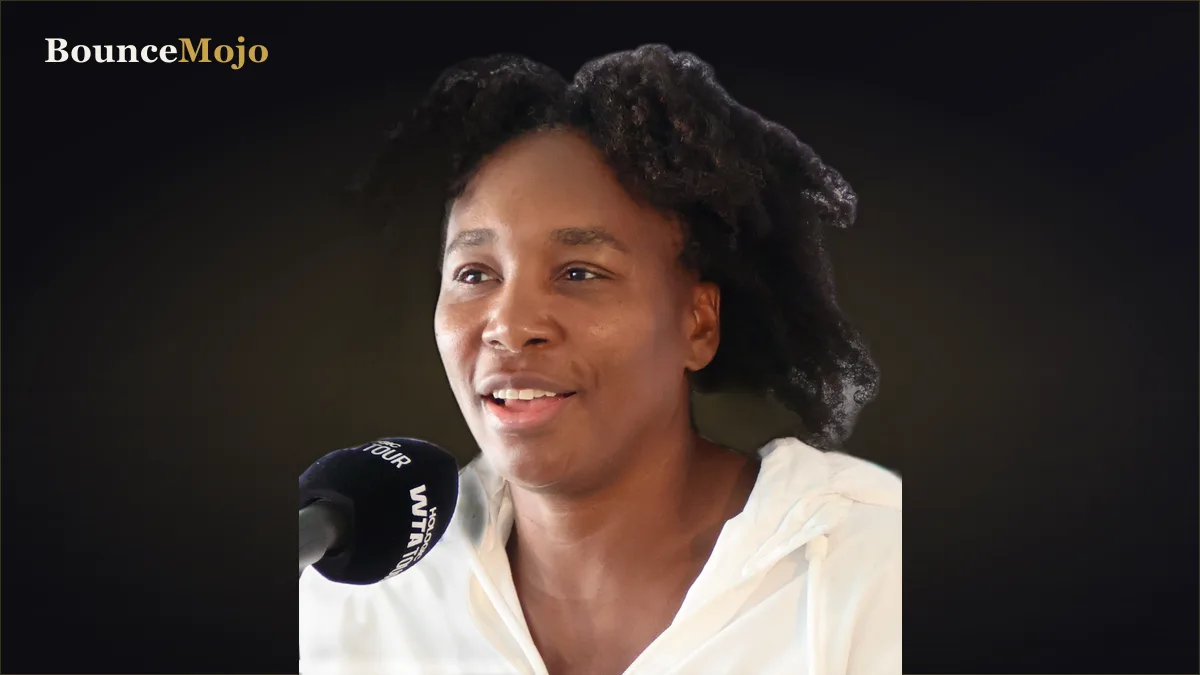
Most people know Venus Williams as one half of the greatest sister act in sports. That framing sells short a pioneer who changed the game for everyone who came after her.
Here’s what most people miss: before Serena became the icon, it was Venus who kicked the door open, and Venus who made sure the women walking through it got paid the same as the men.
The Myth vs. The Reality
The myth is neat. Venus Williams: the older, quieter sister, the appetizer before the main course of Serena’s dominance. Talented, sure, but overshadowed.
The reality flips that script.
Here’s the deal: Venus was the trailblazer. She reached the top first, won Wimbledon first, and faced the full force of a sport that wasn’t ready for two powerful Black sisters from Compton reshaping its country-club image. She absorbed that pressure and paved the road her sister would later dominate.
And the “just a great player” label misses her biggest win entirely. Venus didn’t only change tennis on the court. She changed its economics off it, leading the fight that finally forced the sport’s biggest tournaments to pay women equally. That’s a legacy no trophy count can capture.
You might be wondering: how does a kid from Compton end up rewriting the rules of a rich, insular sport? To understand it, you have to understand the plan that created her.
The World That Made Venus Williams
Venus came from a world tennis had spent a century pretending didn’t exist.
She was born in 1980 and raised largely in Compton, California, training on cracked public courts in a neighborhood the tennis establishment would never have gone looking for a champion. Her father, Richard Williams, had a plan, an audacious, detailed blueprint he’d reportedly drawn up before his daughters were even born, to raise two tennis champions with no money, no country-club access, and no pedigree.
Now: tennis in the 1990s was still overwhelmingly white, wealthy, and buttoned-up. It was a sport of pristine clubs and polite decorum. Into that world walked two Black sisters with beads in their hair, explosive power, and a father who told anyone who’d listen that they’d rule the game. The establishment didn’t know what to make of them, and often didn’t hide its discomfort.
That collision, an exclusive sport meeting two outsiders who refused to shrink, is the backdrop for everything Venus became. She wasn’t just a great player entering the game. She was a challenge to what the game had always looked like. But before the crowns and the crusades, there was a lanky teenager with a serve no one could handle.
The Crucible: Early Life and the Climb
The Environment That Shaped Her
Venus and Serena were forged on those Compton courts, drilled relentlessly by a father who was equal parts coach, promoter, and shield.
Richard Williams protected his daughters fiercely, sometimes pulling them from junior tournaments to shelter them from the burnout and cutthroat culture he distrusted. He wanted them to be kids, and champions, on his terms, not the system’s. That unconventional path drew endless skepticism. It also produced two of the greatest players in history.
Venus, tall and rangy, developed a game built on raw power, a thunderous serve, huge groundstrokes, and athleticism the women’s game had rarely seen. She was a physical marvel, and she was ready early.
Here’s the truth: that homemade, protected, all-in upbringing built a player who was both supremely gifted and unusually grounded, a young woman who carried her family’s improbable dream without letting it crush her.
The Catalyst
Venus turned pro as a teenager and announced herself fast, reaching the US Open final in 1997 as an unseeded 17-year-old, electrifying and unafraid.
Then came the breakthrough that mattered most. In 2000, she won Wimbledon, her first Grand Slam, on the sport’s most tradition-bound stage, and followed it with the US Open. She backed it up with another Wimbledon in 2001. The girl from Compton was now a champion at the most exclusive event in tennis.
It gets more complicated from here. Because the greatest challenge to Venus’s dominance wasn’t across the net from a stranger. It was her own little sister, and the rivalry that followed would test everything.
The Key Players
No story like this unfolds alone, and Venus’s life is defined by a handful of central figures.
Richard Williams. Her father, coach, and the architect of the entire plan. His vision, protectiveness, and showmanship shaped every step of her rise, for better and, at times, amid controversy.
Oracene Price. Her mother, a steady coaching and grounding presence often overlooked in the family narrative, central to raising two champions.
Serena Williams. The defining relationship of her career. Sister, best friend, doubles partner, and fiercest rival. They met in multiple Grand Slam finals, including Venus losing several to Serena, while remaining inseparable off the court. As Serena’s fortune and fame eventually eclipsed hers, Venus handled it with a grace that deepened their bond rather than breaking it.
The tennis establishment. Not a person, but a constant presence, the officials, commentators, and crowds who had to be dragged toward accepting, and eventually celebrating, what the Williams sisters represented.
In other words, Venus’s life was shaped by family above all, and by a sport she had to change to fully belong in. That mission crystallized at Wimbledon in the mid-2000s.
The Turning Point
The Pinnacle
Venus’s mountaintop is bigger than any single trophy, though she has plenty.
On court, she won seven Grand Slam singles titles, five at Wimbledon, plus 14 doubles majors with Serena and four Olympic gold medals, a resume among the greatest in history. The full financial legacy of that career is laid out in her net worth story.
But her defining triumph came off the court. Venus became the leading voice in the fight for equal prize money. She wrote a powerful essay, lobbied officials, and made the moral case that women deserved to be paid the same as men. In 2007, Wimbledon and the French Open agreed, and Venus, fittingly, won Wimbledon that year and collected the first equal check. She’d changed the economics of the sport for every woman who would ever follow.
The Price
Here’s the kicker: at the height of her powers, her own body turned against her.
In 2011, Venus was diagnosed with Sjogren’s syndrome, a chronic autoimmune disease that causes debilitating fatigue and joint pain, a potential death sentence for a professional athlete’s career. She had to withdraw from the US Open, and many wondered if she was finished.
She wasn’t. Venus overhauled her diet and lifestyle, managed the illness, and kept competing at a high level for years, an extraordinary act of will. The pinnacle came with a hidden price, and how she paid it revealed the depth of her character. Which brings us to the fuller, more human truth of her story.
The Unvarnished Truth
Venus’s career carried real hardship beneath the triumphs.
She competed for years while managing a chronic illness that would have ended most careers. She endured, especially early on, a stream of criticism and thinly veiled hostility as a Black woman transforming a white sport, including ugly incidents like the crowd’s treatment of her family at Indian Wells. And she navigated the unique psychological challenge of losing major finals to her own beloved sister, again and again, without letting it poison the relationship.
Now: none of this made her bitter. She channeled it into advocacy, business, and quiet resilience.
The most honest thing about Venus is that her greatest strength was never just her serve or her power. It was her composure, her ability to carry pressure, prejudice, illness, and the shadow of her sister’s fame with a dignity that made her a role model far beyond tennis. She rarely got the spotlight Serena did, and she rarely seemed to need it.
Controversies and Criticisms
Venus’s career unfolded amid battles that were bigger than tennis.
The Indian Wells incident. In 2001, the Williams family faced hostility from the crowd at Indian Wells after a controversial semifinal withdrawal, an episode so painful that Venus and Serena boycotted the event for well over a decade. It exposed the racial tensions surrounding their rise.
The father-coach controversies. Richard Williams’ unconventional methods, bold predictions, and outspoken style drew constant criticism and skepticism from a tennis world that resented his approach, even as it produced results.
The “power ruining tennis” narrative. As the sisters overwhelmed opponents with athleticism, some critics complained they were making the women’s game less artful, a critique that often carried an uncomfortable subtext.
The equal-pay pushback. Venus’s campaign for equal prize money drew resistance from those who argued men’s tennis drew bigger audiences. She won the argument, but not without absorbing the backlash first.
What We Can Learn From Venus Williams
Navigating Hard Times
The first lesson is about perseverance: a diagnosis doesn’t have to be the end of the story. Venus was told she had a chronic autoimmune illness at the peak of her career and kept competing for years by adapting rather than surrendering.
But here’s the truth underneath: resilience often means changing your whole approach, not just gritting your teeth. Venus overhauled her diet, her training, her lifestyle, and turned even her illness into a business built around wellness.
The Success Blueprint
If you want the replicable part, it’s this: Venus built ownership, not just fame. While competing, she founded EleVen, V Starr Interiors, and Happy Viking, companies she controls. That entrepreneurial instinct is exactly why she ranks among the wealthiest names on our richest tennis players list, and it’s a blueprint for turning a career into lasting wealth.
Becoming Better
The deepest lesson is about legacy over ego. Venus fought for equal pay knowing she was building a better world for players who would one day beat her, including her own sister. She led without needing to be the loudest.
In other words, the most meaningful victories are the ones that lift everyone, not just yourself. That selflessness is the thread running through her entire life.
Final Verdict
Venus Williams is one of the most important figures in the history of tennis, and “important” carries as much weight there as “great,” though she is unquestionably both. She won seven majors and reshaped what a champion could look like, but her deepest mark is on the game itself.
She kicked open a door for two Black sisters from Compton and, through them, for countless players who followed. She fought for and won equal pay, changing the economics of the sport forever. And she competed with grace through prejudice, illness, and the singular challenge of sharing an era with her own extraordinary sister.
Her playing legacy, seven Grand Slams, Olympic gold, a doubles dynasty, is secure. The business empire she built alongside it is detailed in her net worth breakdown. For where she ranks among the sport’s wealthiest, see our richest tennis players list. Venus didn’t just play tennis. She changed it, and everyone who plays it today owes her a debt.
Shop Venus Williams on Amazon
Books, audiobooks, merch and more, handpicked for fans.
As an Amazon Associate we earn from qualifying purchases.
Frequently Asked Questions
Where did Venus Williams grow up?+
Venus Williams was born on June 17, 1980, in Lynwood, California, and grew up training on the public courts of Compton. She and her sister Serena were coached by their father, Richard, on a plan he mapped out before they were born.
How did Venus Williams change equal pay in tennis?+
Venus was a leading advocate for equal prize money. Her essay and lobbying are widely credited with pushing Wimbledon and the French Open to pay women and men equally starting in 2007, and she was the first to benefit as Wimbledon champion that year.
What illness does Venus Williams have?+
In 2011, Venus was diagnosed with Sjogren's syndrome, an autoimmune condition causing fatigue and joint pain. She adjusted her diet and lifestyle, later founding the nutrition company Happy Viking, and continued competing for years.
How many Grand Slams has Venus Williams won?+
Venus has won seven Grand Slam singles titles, five Wimbledons and two US Opens, plus 14 women's doubles majors with Serena and four Olympic gold medals, one of the most decorated careers in tennis.
What is the relationship between Venus and Serena Williams?+
Venus and Serena are sisters, best friends, doubles partners, and fierce on-court rivals. They faced each other in multiple Grand Slam finals while remaining inseparable off the court, redefining sibling dynamics in sport.
Want the money side of the story?
Read Venus Williams's Full Net Worth Breakdown →Shop Venus Williams on Amazon
Books, audiobooks, merch and more, handpicked for fans.
As an Amazon Associate we earn from qualifying purchases.