Li Na Biography: The Rebel Who Opened Tennis to a Billion People
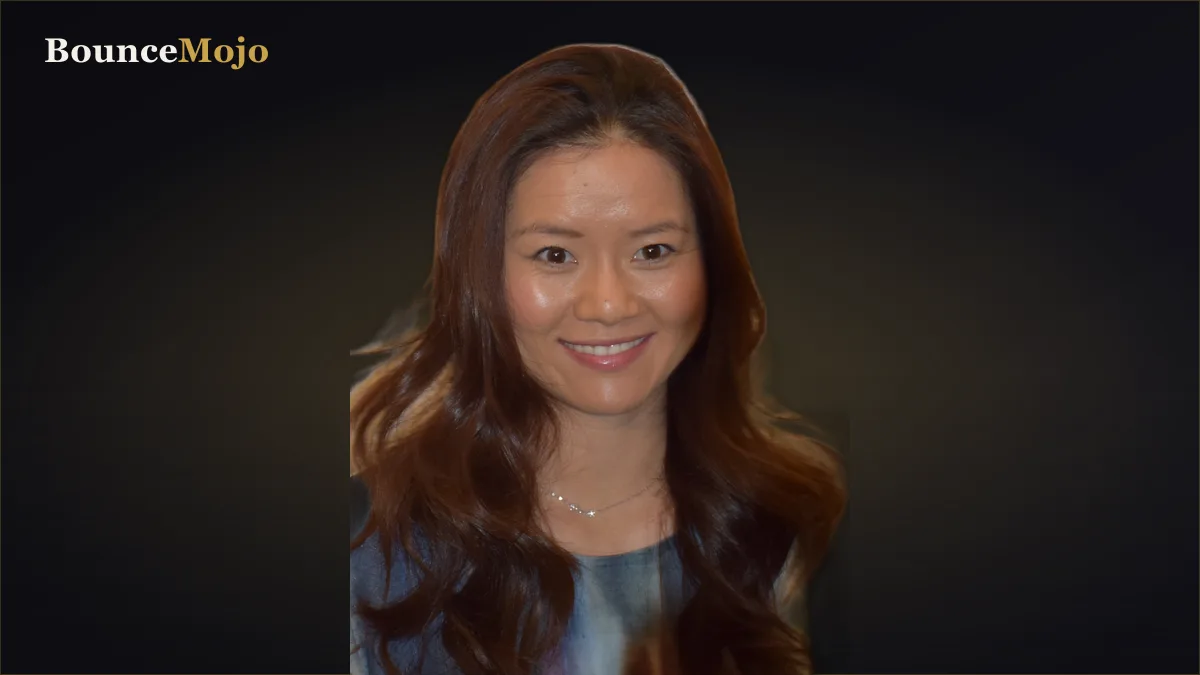
Most people know Li Na as the first Asian player to win a Grand Slam. That fact is huge, and it still undersells her.
Here’s what most people miss: to reach that history-making moment, she had to walk away from the very system that made her, and risk everything on the idea that she knew herself better than the state did.
The Myth vs. The Reality
The myth is a tidy triumph: Li Na, the smiling champion who won two majors and made China fall in love with tennis.
The reality has far more grit.
Here’s the deal: Li Na was not a happy warrior manufactured by a system. She was a reluctant, often rebellious talent who clashed with coaches, quit the sport outright for two years, and only became great once she broke free of the machine that trained her. Her wit was famous, her defiance more so.
The myth also flattens the cost. Behind the endorsements and the historic wins was a woman fighting depression, injury, and the weight of representing a nation that had never had a champion like her.
You might be wondering: how does someone quit tennis, come back, and then win a major at 29, an age when most players are done? To understand that, you have to understand the world she was born into.
The World That Made Li Na
Li Na came up inside one of the most rigid athletic systems on earth.
China’s state sports program identified children young, pulled them from their families, and trained them relentlessly toward national glory. Individual desire was beside the point. Athletes trained six days a week, lived away from home, and surrendered their earnings and schedules to the state.
Now: this was the machine that made Li Na, and the machine she would eventually rebel against. Tennis in China barely existed as a professional pursuit when she was young. There was no path, no template, no champion to follow.
Think about it: she was not just trying to win matches. She was trying to prove that a whole country could produce a global tennis star, from a system built for collective results, not individual stardom. That collision, a fiercely independent woman inside a rigidly collective machine, is the backdrop for everything she became.
But before the rebellion, there was a girl in Wuhan who lost her father far too soon.
The Crucible: Early Life and the Climb
The Environment That Shaped Her
Li Na was born in Wuhan in 1982. She started in badminton, following her father, a former player himself, before a coach steered her to tennis around age eight.
Then came the loss that shaped everything. Her father died when she was a teenager, and she has said she kept it hidden even from her provincial team for a time. It was in that raw period, invited to join the provincial squad, that she met Jiang Shan, the boy who would become her husband and her anchor.
Here’s the truth: the system gave her structure and world-class training. It also gave her rules she came to resent, a lack of control over her own career, and coaching relationships that often turned combustible.
The Catalyst
The breaking point came in 2002. Frustrated, burned out, and at odds with the system, Li Na quit tennis entirely. She enrolled at university and stepped away from the sport for two full years.
Most careers end there. Hers restarted.
It gets better, and stranger. When she returned in 2004, she was different, older, more certain of who she was and what she would and would not accept. That certainty set the stage for the biggest break of her life, a change that would let her become the player she was always meant to be.
The Key Players
No athlete rises alone, and Li Na’s story is crowded with people who shaped her.
Jiang Shan. Her husband and, for long stretches, her coach and hitting partner. He absorbed her on-court temper, her sharp public jokes at his expense, and her demands, and stayed. Their relationship is the emotional heart of her autobiography, a genuine love story wrapped inside a sports career.
Carlos Rodriguez. The Argentine coach, who had guided Justine Henin to greatness, took over late in Li Na’s career and helped her win her second major at the 2014 Australian Open. He brought discipline and tactical clarity to a player who thrived when respected, not controlled.
The Chinese Tennis Association. The institution she came from and eventually broke with. In 2008, Li Na and a small group of players were granted permission to “fly solo,” managing their own teams, coaches, and sponsorships. This was the turning point that unlocked her greatness.
Think about it: every one of these relationships is a version of the same fight, control versus freedom. And freedom, once she got it, changed everything.
The Turning Point
The Pinnacle
The 2011 French Open is Li Na’s mountaintop.
At 29, an age when most players are fading, she won Roland Garros, becoming the first Grand Slam singles champion from any Asian country. An estimated 100 million-plus people watched in China. In a single afternoon, she transformed tennis from a fringe curiosity into a national passion.
She was not done. In 2014, guided by Rodriguez, she won the Australian Open, proving the first title was no fluke. Two majors, a career-high ranking of world No. 2, and a place in history. As her net worth story lays out, that breakthrough made her one of the highest-earning women in the sport.
The Price
Here’s the kicker: the glory came wrapped in real suffering.
Li Na battled depression during her career and spoke about it with unusual candor for an athlete of her era and origin. She carried the pressure of an entire nation’s expectations, a weight few competitors have ever faced. And her body paid a steep toll, chronic knee problems that would eventually force her out.
The pinnacle brought a fortune and a nation’s love. It also brought a spotlight so intense it magnified every struggle. Which brings us to the flaws the fairy-tale version leaves out.
The Unvarnished Truth
Li Na was never a polished, media-trained champion, and that was exactly the point.
She was blunt, funny, and sometimes prickly. She snapped at umpires, joked about her husband’s snoring in on-court interviews, and pushed back against expectations that she be a demure national symbol. To some officials, she was difficult. To millions of fans, that honesty was the whole appeal.
Now: her depression was real, and so was the toll of the system she grew up in. She has been open that the rigid training of her youth left scars, and that she often played not out of love for the game but out of obligation. That is a complicated thing for a national hero to admit.
The most honest thing anyone can say about Li Na is this: she was great precisely because she refused to be the obedient champion the system wanted. Her defiance was not a flaw in the story. It was the engine of it.
Controversies and Criticisms
Li Na spent her career navigating a tension between individual freedom and national expectation.
Breaking from the system. Her decision to “fly solo” was quietly radical. Some in Chinese sports officialdom bristled at a star who managed her own career and kept her own earnings, breaking with decades of tradition.
The nationalism question. After her wins, she sometimes downplayed the idea that she played “for the country,” insisting she played for herself and her team. This drew criticism from those who expected a national hero to wear that role proudly. Li Na refused to pretend.
Here’s the truth: the criticism now looks like the growing pains of a system confronting an athlete ahead of it. She was not disloyal. She was independent, in a context that had rarely allowed independence.
Quote Analysis
Li Na’s words carried the same edge as her game.
On playing for herself rather than the flag, she made clear she competed for her own goals and her team, a stance that reframed what a Chinese champion could be. The subtext was quiet defiance: an athlete claiming ownership of her own story.
Her humor was legendary too. Her on-court speeches, often at her husband’s expense, disarmed audiences and revealed a personality no state media script could have written. Beneath the jokes was a woman insisting on being fully human in a role that demanded a symbol.
What We Can Learn From Li Na
Navigating Hard Times
The first lesson is that walking away can be the smartest move you make. Li Na quit tennis for two years and came back stronger, clearer, and finally free. Sometimes the path forward runs straight through a full stop.
But here’s the deeper truth: she won her majors after 29, after depression, after injury, after rebellion. Her story is proof that a late, hard-won peak can outshine an easy early one.
The Success Blueprint
If you want the replicable part, it is this: Li Na succeeded the moment she took control of her own career. Freedom, self-management, and the right team around her unlocked a greatness the system never could.
That mindset, own your decisions, choose your people, is exactly what put her among the sport’s wealthiest names on our richest tennis players ranking, level with marketing giants like Anna Kournikova despite a very different path. Her earning power flowed directly from her independence.
Becoming Better
The deepest lesson is about legacy. Li Na’s two trophies matter. But her real gift was a door: she showed a billion people that tennis was theirs too. Champions win. The rarest ones change what is possible for everyone who comes after.
Final Verdict
Li Na is one of the most consequential athletes of the modern era, and “consequential” is doing heavier work than “great,” though she was that too. She did not just win two majors. She rewrote what a Chinese athlete could be: independent, funny, flawed, and fully herself.
And here is the twist that reframes everything: the rebel who fought the system, quit the sport, and refused to be a tidy national symbol became the most beloved figure Chinese tennis has ever produced. The full story of how she turned that legacy into a lasting fortune lives in her net worth breakdown.
If you want the real story, read her autobiography Li Na: My Life (2013). It is sharp, honest, and often very funny, less a victory lap than a candid account of a woman who won on her own terms. Read it if you love tennis, and read it more closely if you have ever had to break from what was expected of you to become who you actually are.
Shop Li Na on Amazon
Books, audiobooks, merch and more, handpicked for fans.
As an Amazon Associate we earn from qualifying purchases.
Frequently Asked Questions
Where did Li Na grow up?+
Li Na was born in Wuhan, China, in 1982. She started in badminton before switching to tennis around age eight at the urging of a local coach.
What made Li Na a Grand Slam champion?+
She won the 2011 French Open and the 2014 Australian Open, becoming the first Grand Slam singles champion from any Asian nation and a national icon in China.
Why did Li Na leave China's state sports system?+
In 2008, Li Na and a few other players were allowed to 'fly solo', managing their own teams, schedules, and sponsorships outside the rigid state system, a rare freedom that transformed her career.
Who is Li Na's husband?+
Li Na is married to Jiang Shan, whom she met as a teenager. He served for years as her hitting partner and coach, and their relationship is the emotional core of her autobiography.
What is Li Na doing now?+
Since retiring in 2014, Li Na has raised two children, worked to grow tennis in China, released a memoir and a biopic, and in 2019 became the first Asian player inducted into the International Tennis Hall of Fame.
Want the money side of the story?
Read Li Na's Full Net Worth Breakdown →Shop Li Na on Amazon
Books, audiobooks, merch and more, handpicked for fans.
As an Amazon Associate we earn from qualifying purchases.