Simona Halep Biography: The Fighter Who Refused to Break
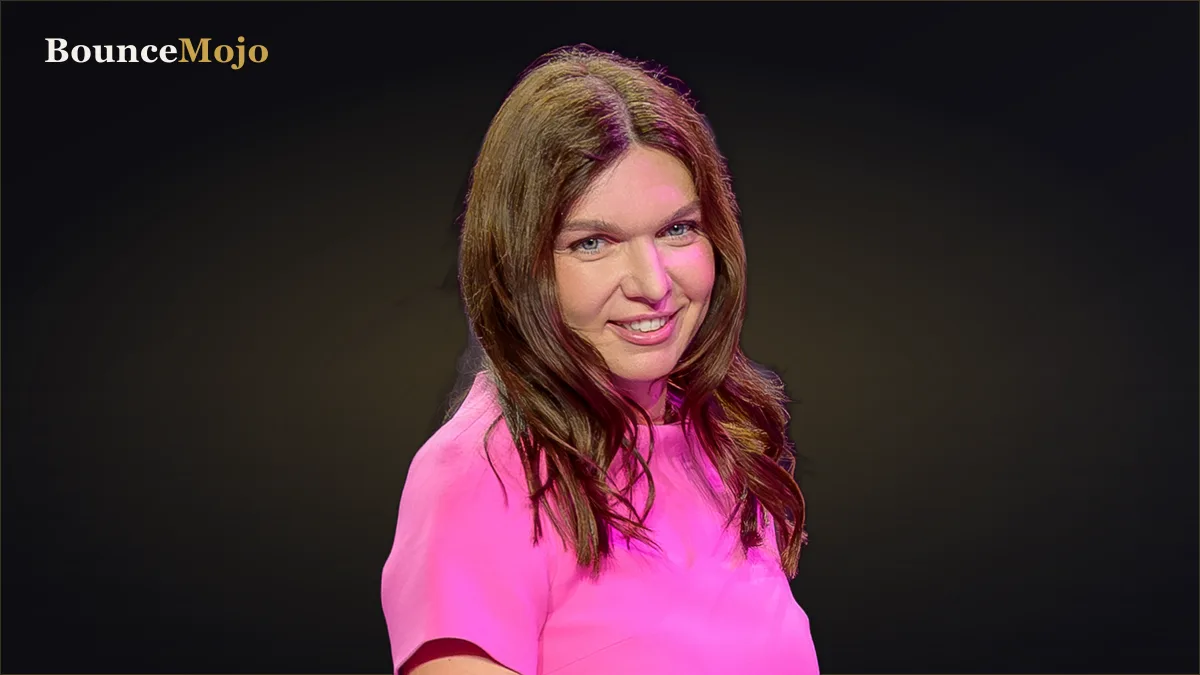
Most people know Simona Halep as the Romanian who battled Serena Williams for a Wimbledon crown. That fierce competitor came from a small Black Sea city with no tennis pedigree at all.
Here’s what most people miss: Halep’s greatest opponent was never across the net. It was doubt, injury, and a legal fight that nearly erased everything she built.
The Myth vs. The Reality
The myth is that Simona Halep was a natural, a gifted mover who glided to the top. The trophies and the No. 1 ranking make it look inevitable.
Here’s the truth: nothing about Halep’s rise was easy. She came from a country with almost no elite tennis infrastructure, made a painful physical decision at 18 to keep competing, and lost final after final before she ever won a major. She was not a prodigy handed greatness. She was a grinder who earned it.
Now: the calm competitor the world saw hid years of frustration and self-doubt. Halep openly admitted she nearly cracked under the weight of expectation. The steel came later, and it was forged, not born.
But where does that kind of resilience begin? On the Black Sea coast, in a family that knew hard work better than tennis.
The World That Made Simona Halep
Halep grew up as Romania emerged from the long shadow of communism. When she was born in 1991, the country was two years past the fall of its dictatorship and still rebuilding. Sport offered a rare path out.
Here’s the deal: Romania had produced tennis legends before, from Ilie Nastase to Ion Tiriac, but the modern system was thin. There were no vast academies, no deep funding. A young player from Constanta had to be driven by family and sheer will.
Halep had both. Her father, Stere, ran a dairy business and poured resources into her tennis, driving her to practice and tournaments. The family bet on her talent when there was little guarantee it would pay off.
You might be wondering: how does a kid from a port city reach the top of a global sport? The answer starts with a hard choice most teenagers never have to make.
The Crucible: Early Life and the Climb
The Environment That Shaped Her
Simona Halep was born on September 27, 1991, in Constanta, Romania. Her older brother played tennis, and Simona followed him onto the court, showing talent early. The family’s dairy business funded coaching and travel, a real sacrifice in a country still finding its economic feet.
Here’s the truth: Halep won the junior French Open in 2008, announcing herself as a prospect. But her body created a problem. She was strong and quick, but back strain and physical discomfort were slowing her down.
So at 18, she made a stunning decision. Halep underwent breast-reduction surgery, believing it would improve her mobility and protect her back. It was a bold, private choice for a teenager, and she later credited it with helping her career.
The Catalyst
The real turning point came a few years into her pro career. In 2013, Halep exploded up the rankings, winning six titles in a single season and cracking the top 10. The grinder had become a genuine contender.
What’s the bottom line? The talent had always been there. What changed was belief, fitness, and a run of results that convinced her she belonged with the best.
But belonging and winning are different things. And Halep was about to learn that the hard way, over and over.
The Key Players
The most important figure in Halep’s rise was a coach who arrived when she needed him most.
Darren Cahill, the veteran Australian who had guided Andre Agassi and Lleyton Hewitt, took over Halep’s coaching and changed everything. He worked on her mindset as much as her tennis, teaching her to manage the pressure that had cost her big matches. Under Cahill, Halep reached world No. 1 and finally won majors.
Behind her stood her family, especially her father Stere, whose early investment made the whole journey possible. Later she worked with Patrick Mouratoglou, though that partnership came during her toughest period.
Here’s the kicker: her rivals shaped her too. Losing Grand Slam finals to Maria Sharapova and others taught Halep exactly how hard the final step is. She had to lose big to learn how to win big.
Those defeats set up the greatest week of her career. But triumph, as always, came at a price.
The Turning Point
The Pinnacle
Halep’s breakthrough finally arrived at the 2018 French Open. After losing three prior major finals, she beat Sloane Stephens in a tense three-set battle to win her first Grand Slam. The relief was visible. Romania erupted.
Then she proved it was no fluke. At 2019 Wimbledon, Halep played a near-perfect final to beat Serena Williams, one of the most dominant performances in a Slam final in years. Two majors, 64 weeks at No. 1, and a nation’s undying love.
The Price
But the climb cost her. Halep battled injuries throughout her career, and the constant pressure of carrying Romanian hopes weighed heavily. She spoke often about the loneliness and stress of life at the top.
Here’s the truth: the hardest blow was still coming, and it had nothing to do with an opponent or an injury. It came from a drug test.
That single result would test everything Halep had built.
The Unvarnished Truth
Halep has never hidden her struggles. She was open about her early self-doubt, her tearful losses, and the mental battles that nearly derailed her before Cahill arrived.
It gets harder. In 2022, Halep tested positive for a banned substance and was hit with a lengthy suspension. For a player whose brand was built on integrity, the accusation was devastating. She insisted she had never knowingly doped and vowed to clear her name.
She fought. Halep appealed to the Court of Arbitration for Sport, which accepted that her violation was unintentional, likely caused by a contaminated supplement, and sharply reduced her ban. She returned to competition, her reputation largely restored, but the ordeal cost her prime years and enormous stress.
Controversies and Criticisms
The doping case is the defining controversy of Halep’s career. Critics were harsh at first, and her image took a hit before the appeal vindicated her. Halep has spoken about the pain of being doubted after a career built on clean, hard work.
Now: her split from coach Darren Cahill in 2021 and her later partnerships drew scrutiny too, as fans debated whether she had lost the team chemistry that made her great. These were the ordinary controversies of a long career, second-guessed decisions and shifting support staff.
Through it all, Halep’s core reputation as a fighter survived. The ban that could have defined her instead became a story of vindication, thanks to her refusal to accept a verdict she believed was wrong.
What We Can Learn From Simona Halep
Navigating Hard Times
Halep’s life is a lesson in refusing to break. She faced doubt, injury, and a career-threatening ban, and she met each with the same stubborn resolve that made her a champion.
Here’s the lesson: when your reputation is attacked, fight with facts. Halep did not simply accept her ban. She appealed, presented evidence, and won back most of what she lost.
The Success Blueprint
Her tennis path is just as instructive. Halep won through consistency, fitness, and the right coach, not raw power. She proved that patience and belief can beat flashier talent.
That model of steady, resilient success echoes the careers of players like Chris Evert and Angelique Kerber, grinders who turned reliability into greatness. Halep’s business smarts extended the same idea off the court, as her net worth shows.
Final Verdict
Simona Halep changed Romanian sport forever, giving a small tennis nation two Grand Slam champions in one woman. She rose from a Black Sea port to the top of the world through work, not privilege.
The verdict is clear: her real greatness was resilience. She survived surgery, defeat, injury, and a ban that would have ended most careers, and she came out the other side with her titles and her name intact.
Halep never had the easiest path. She just had the hardest head, and in the end, that refusal to break is what made her unforgettable.
Shop Simona Halep on Amazon
Books, audiobooks, merch and more, handpicked for fans.
As an Amazon Associate we earn from qualifying purchases.
Frequently Asked Questions
Where did Simona Halep grow up?+
Halep grew up in Constanta, a port city on Romania's Black Sea coast, where her father ran a dairy business and encouraged her tennis from a young age.
Why did Simona Halep have surgery early in her career?+
As a teenager Halep underwent breast-reduction surgery to improve her movement and reduce back strain, a decision she said helped her game and her health.
How many weeks was Simona Halep world No. 1?+
Halep spent a total of 64 weeks at world No. 1, first reaching the top ranking in October 2017.
What Grand Slams did Simona Halep win?+
Halep won the 2018 French Open and 2019 Wimbledon, beating Sloane Stephens and Serena Williams in those finals.
What happened with Simona Halep's doping ban?+
Halep was banned in 2022 after a positive test, but the Court of Arbitration for Sport sharply reduced the ban on appeal, accepting she did not knowingly dope, and she returned to the tour.
Want the money side of the story?
Read Simona Halep's Full Net Worth Breakdown →Shop Simona Halep on Amazon
Books, audiobooks, merch and more, handpicked for fans.
As an Amazon Associate we earn from qualifying purchases.